
Acting

Hugo Chávez

1954–2013 · Acting

63.0avg grm
2titles
23honors

Honors

23
2014Order of Francisco Morazán
2013Ribbon of the Order of the Republic of Serbia
2008Order of the Friendship of Peoples
2008Blue Planet Award
2007Order of Augusto César Sandino
Honors
  • 2014Order of Francisco Morazán
  • 2013Ribbon of the Order of the Republic of Serbia
  • 2008Order of the Friendship of Peoples
  • 2008Blue Planet Award
  • 2007Order of Augusto César Sandino
  • 2006Medal of the Oriental Republic of Uruguay
  • 2005International José Martí Prize
  • 2004National Order of Merit Carlos Manuel de Céspedes
  • 2001honorary doctorate
  • 2001Grand Collar of the Order of Prince Henry
  • 2001honorary doctor of the University of International Business and Economics
  • 1999Order of José Martí
  • —Order of the Southern Cross
  • —Al-Gaddafi International Prize — Human Rights
  • —Order of the Liberator General San Martín
  • —Order of the Liberator
  • —Order of Francisco de Miranda
  • —Order of the Star of Carabobo
  • —Uatsamonga Order
  • —Order of Honour and Glory
  • —Order of the Republic of Serbia
  • —Order of the Umayyads
  • —Order of the Star of Palestine

Bio

Hugo Rafael Chávez Frías (28 July 1954 – 5 March 2013) was the 56th President of Venezuela, having held that position since 1999 until the time of his dead in 2013. He was of Native-Latino American descent. Following his own political ideology of Bolivarianism and "Socialism for the 21st Century", he had focused on implementing socialist reforms in the country as a part of a social project known as the Bolivarian Revolution, which has seen the implementation of a new constitution, participatory democracy and the nationalisation of several key industries. Born into a working class family in Sabaneta, Barinas, Chávez became a career military officer, and after becoming dissatisfied with the Venezuelan puntofijismo political system which he viewed as corrupt and undemocratic, he founded the secretive Revolutionary Bolivarian Movement-200 (MBR-200) in the early 1980s to work towards overthrowing it. After the Democratic Action government of President Carlos Andrés Pérez ordered the violent repression of protests against spending cuts, Chávez led the MBR-200 in an unsuccessful coup d'état against the government in 1992, for which he was imprisoned. Getting out of prison after two years, he founded a political party, the Fifth Republic Movement, and was elected president of Venezuela in 1998. He subsequently introduced a new constitution which increased rights for marginalised groups and altered the structure of Venezuelan government, and was re-elected in 2000. During his second presidential term, he introduced a system of Bolivarian Missions, Communal Councils and worker-managed cooperatives, whilst also nationalising various key industries. The opposition movement meanwhile, fearing that he was eroding representative democracy and becoming increasingly authoritative, attempted to remove him from power both through an unsuccessful military coup in 2002 and a recall referendum in 2003. He was again elected into power in 2006, following which he founded a new political party, the United Socialist Party of Venezuela (PSUV), in 2007. A vocal critic of capitalism and in particular neoliberalism, Chávez has been a prominent opponent of the United States' foreign policy, which he describes as imperialistic. Allying himself strongly with the socialist governments of Fidel and Raúl Castro in Cuba, Evo Morales in Bolivia, and Rafael Correa of Ecuador, his presidency is seen as a part of the leftist "pink tide" sweeping Latin America. He has supported Latin American and Caribbean cooperation and was instrumental in setting up the pan-regional Union of South American Nations, the Bolivarian Alliance for the Americas, the Bank of the South, and the regional television network TeleSur. His political influence in Latin America led Time magazine to include him among their list of the world's 100 most influential people in both 2005 and 2006.
Biography

Hugo Rafael Chávez Frías (28 July 1954 – 5 March 2013) was the 56th President of Venezuela, having held that position since 1999 until the time of his dead in 2013. He was of Native-Latino American descent. Following his own political ideology of Bolivarianism and "Socialism for the 21st Century", he had focused on implementing socialist reforms in the country as a part of a social project known as the Bolivarian Revolution, which has seen the implementation of a new constitution, participatory democracy and the nationalisation of several key industries. Born into a working class family in Sabaneta, Barinas, Chávez became a career military officer, and after becoming dissatisfied with the Venezuelan puntofijismo political system which he viewed as corrupt and undemocratic, he founded the secretive Revolutionary Bolivarian Movement-200 (MBR-200) in the early 1980s to work towards overthrowing it. After the Democratic Action government of President Carlos Andrés Pérez ordered the violent repression of protests against spending cuts, Chávez led the MBR-200 in an unsuccessful coup d'état against the government in 1992, for which he was imprisoned. Getting out of prison after two years, he founded a political party, the Fifth Republic Movement, and was elected president of Venezuela in 1998. He subsequently introduced a new constitution which increased rights for marginalised groups and altered the structure of Venezuelan government, and was re-elected in 2000. During his second presidential term, he introduced a system of Bolivarian Missions, Communal Councils and worker-managed cooperatives, whilst also nationalising various key industries. The opposition movement meanwhile, fearing that he was eroding representative democracy and becoming increasingly authoritative, attempted to remove him from power both through an unsuccessful military coup in 2002 and a recall referendum in 2003. He was again elected into power in 2006, following which he founded a new political party, the United Socialist Party of Venezuela (PSUV), in 2007. A vocal critic of capitalism and in particular neoliberalism, Chávez has been a prominent opponent of the United States' foreign policy, which he describes as imperialistic. Allying himself strongly with the socialist governments of Fidel and Raúl Castro in Cuba, Evo Morales in Bolivia, and Rafael Correa of Ecuador, his presidency is seen as a part of the leftist "pink tide" sweeping Latin America. He has supported Latin American and Caribbean cooperation and was instrumental in setting up the pan-regional Union of South American Nations, the Bolivarian Alliance for the Americas, the Bank of the South, and the regional television network TeleSur. His political influence in Latin America led Time magazine to include him among their list of the world's 100 most influential people in both 2005 and 2006.

Filmography

ranked on this site
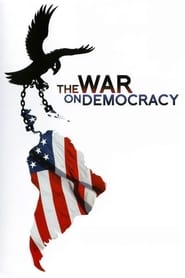
2000s2 titlesWThe War on Democracy2007 · as Self62.5RThe Revolution Will Not Be Televised2003 · as Self63.4

Browse the ranked list

you've reached the bottom
goodrecmovies
movies worth your night.

This product uses TMDB and the TMDB APIs but is not endorsed, certified, or otherwise approved by TMDB.

← back

Hugo Chávez

H
born1954
died2013
known forActing
titles on site2
avg GRM63.0
honors23 · Order of Francisco Morazán, 2014
Honors
  • 2014Order of Francisco Morazán
  • 2013Ribbon of the Order of the Republic of Serbia
  • 2008Order of the Friendship of Peoples
  • 2008Blue Planet Award
  • 2007Order of Augusto César Sandino
  • 2006Medal of the Oriental Republic of Uruguay
  • 2005International José Martí Prize
  • 2004National Order of Merit Carlos Manuel de Céspedes
  • 2001honorary doctorate
  • 2001Grand Collar of the Order of Prince Henry
  • 2001honorary doctor of the University of International Business and Economics
  • 1999Order of José Martí
  • —Order of the Southern Cross
  • —Al-Gaddafi International Prize — Human Rights
  • —Order of the Liberator General San Martín
  • —Order of the Liberator
  • —Order of Francisco de Miranda
  • —Order of the Star of Carabobo
  • —Uatsamonga Order
  • —Order of Honour and Glory
  • —Order of the Republic of Serbia
  • —Order of the Umayyads
  • —Order of the Star of Palestine
Hugo Rafael Chávez Frías (28 July 1954 – 5 March 2013) was the 56th President of Venezuela, having held that position since 1999 until the time of his dead in 2013. He was of Native-Latino American descent. Following his own political ideology of Bolivarianism and "Socialism for the 21st Century", he had focused on implementing socialist reforms in the country as a part of a social project known as the Bolivarian Revolution, which has seen the implementation of a new constitution, participatory democracy and the nationalisation of several key industries. Born into a working class family in Sabaneta, Barinas, Chávez became a career military officer, and after becoming dissatisfied with the Venezuelan puntofijismo political system which he viewed as corrupt and undemocratic, he founded the secretive Revolutionary Bolivarian Movement-200 (MBR-200) in the early 1980s to work towards overthrowing it. After the Democratic Action government of President Carlos Andrés Pérez ordered the violent repression of protests against spending cuts, Chávez led the MBR-200 in an unsuccessful coup d'état against the government in 1992, for which he was imprisoned. Getting out of prison after two years, he founded a political party, the Fifth Republic Movement, and was elected president of Venezuela in 1998. He subsequently introduced a new constitution which increased rights for marginalised groups and altered the structure of Venezuelan government, and was re-elected in 2000. During his second presidential term, he introduced a system of Bolivarian Missions, Communal Councils and worker-managed cooperatives, whilst also nationalising various key industries. The opposition movement meanwhile, fearing that he was eroding representative democracy and becoming increasingly authoritative, attempted to remove him from power both through an unsuccessful military coup in 2002 and a recall referendum in 2003. He was again elected into power in 2006, following which he founded a new political party, the United Socialist Party of Venezuela (PSUV), in 2007. A vocal critic of capitalism and in particular neoliberalism, Chávez has been a prominent opponent of the United States' foreign policy, which he describes as imperialistic. Allying himself strongly with the socialist governments of Fidel and Raúl Castro in Cuba, Evo Morales in Bolivia, and Rafael Correa of Ecuador, his presidency is seen as a part of the leftist "pink tide" sweeping Latin America. He has supported Latin American and Caribbean cooperation and was instrumental in setting up the pan-regional Union of South American Nations, the Bolivarian Alliance for the Americas, the Bank of the South, and the regional television network TeleSur. His political influence in Latin America led Time magazine to include him among their list of the world's 100 most influential people in both 2005 and 2006.

Filmography

ranked on this site

Browse the ranked list