Acting

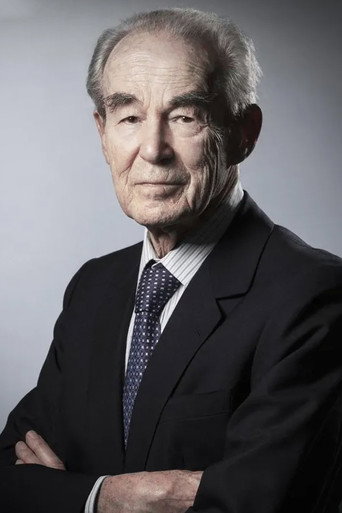
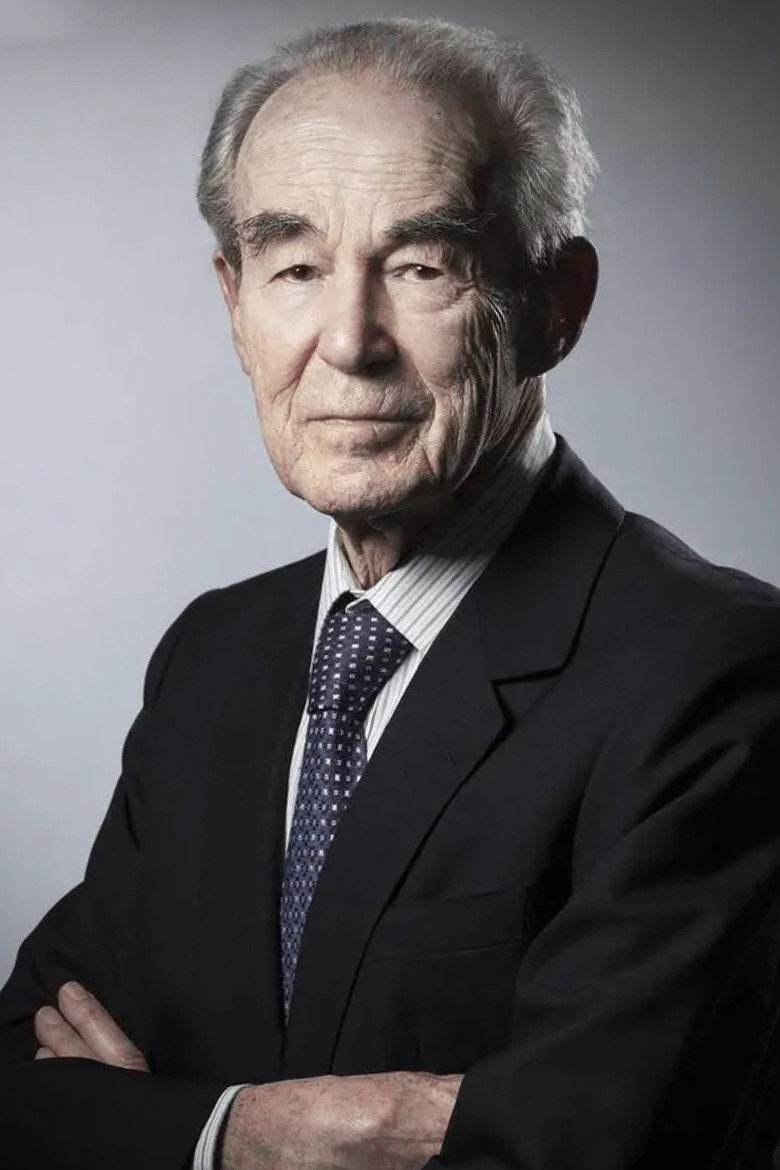
Robert Badinter

1928–2024 · Acting

62.0avg grm
3titles
12honors

Honors

12
2024National tribute
2019Q133813064
2019Q139620555
2015honorary degree of HEC Paris
2011Masaryk University Gold Medal
Honors
  • 2024National tribute
  • 2019Q133813064
  • 2019Q139620555
  • 2015honorary degree of HEC Paris
  • 2011Masaryk University Gold Medal
  • 2009honorary doctor of the University of Neuchâtel
  • 2001Prix du livre politique
  • 2000Prix Femina essai
  • 1992Lysenko Prize
  • —honorary doctor of the Université libre de Bruxelles
  • —Honorary doctor of the University of Zagreb
  • —Order of Tomáš Garrigue Masaryk, 1st class

Bio

Robert Badinter (born 30 March 1928) is a French lawyer, politician and author who enacted the abolition of the death penalty in France in 1981, while serving as Minister of Justice under François Mitterrand. He has also served in high-level appointed positions with national and international bodies working for justice and the rule of law. Robert Badinter was born 30 March 1928 in Paris to Simon Badinter and Charlotte Rosenberg. His Bessarabian Jewish family had immigrated to France in 1921 to escape pogroms. During World War II, after the Nazi occupation of Paris, his family sought refuge in Lyon. His father was captured in the 1943 Rue Sainte-Catherine Roundup and deported with other Jews to the Sobibor extermination camp, where he died shortly thereafter. Badinter graduated in law from Paris Law Faculty of the University of Paris. He then went to the United States to continue his studies at Columbia University in New York City where he got his MA. He continued his studies again at the Sorbonne until 1954. In 1965, Badinter was appointed as a professor at University of Sorbonne. He continued as an Emeritus professor until 1996. Badinter started his career in Paris in 1951, as a lawyer in a joint work with Henri Torrès. In 1965, along with Jean-Denis Bredin, he founded the law firm Badinter, Bredin et partenaires, (now Bredin Prat) where he practiced law until 1981. Badinter's activism against the death penalty began after Roger Bontems's execution on 28 November 1972. Along with Claude Buffet, Bontems had taken a prison guard and a nurse hostage during the 1971 revolt in Clairvaux Prison. While the police were storming the building, Buffet slit the hostages' throats. Badinter served as defense counsel for Bontems. Although it was established during the trial that Buffet alone was the murderer, the jury sentenced both men to death. Badinter was outraged by unfair impositions of the death penalty and, after witnessing the executions, further dedicated himself to the abolition of the death penalty. In this context, he agreed to defend Patrick Henry. In January 1976, 8-year-old Philipe Bertrand was kidnapped. Henry was soon picked up as a suspect, but released because of a lack of proof. He gave interviews on television, saying that those who kidnapped and killed children deserved death. A few days later, he was again arrested, and shown Bertrand's corpse hidden in a blanket under his bed. Badinter and Robert Bocquillon defended Henry, making the case not about Henry's guilt, but against applying the death penalty. Henry was sentenced to life imprisonment and paroled in 2001. ... Source: Article "Robert Badinter" from Wikipedia in English, licensed under CC-BY-SA 3.0.

Biography

Robert Badinter (born 30 March 1928) is a French lawyer, politician and author who enacted the abolition of the death penalty in France in 1981, while serving as Minister of Justice under François Mitterrand. He has also served in high-level appointed positions with national and international bodies working for justice and the rule of law. Robert Badinter was born 30 March 1928 in Paris to Simon Badinter and Charlotte Rosenberg. His Bessarabian Jewish family had immigrated to France in 1921 to escape pogroms. During World War II, after the Nazi occupation of Paris, his family sought refuge in Lyon. His father was captured in the 1943 Rue Sainte-Catherine Roundup and deported with other Jews to the Sobibor extermination camp, where he died shortly thereafter. Badinter graduated in law from Paris Law Faculty of the University of Paris. He then went to the United States to continue his studies at Columbia University in New York City where he got his MA. He continued his studies again at the Sorbonne until 1954. In 1965, Badinter was appointed as a professor at University of Sorbonne. He continued as an Emeritus professor until 1996. Badinter started his career in Paris in 1951, as a lawyer in a joint work with Henri Torrès. In 1965, along with Jean-Denis Bredin, he founded the law firm Badinter, Bredin et partenaires, (now Bredin Prat) where he practiced law until 1981. Badinter's activism against the death penalty began after Roger Bontems's execution on 28 November 1972. Along with Claude Buffet, Bontems had taken a prison guard and a nurse hostage during the 1971 revolt in Clairvaux Prison. While the police were storming the building, Buffet slit the hostages' throats. Badinter served as defense counsel for Bontems. Although it was established during the trial that Buffet alone was the murderer, the jury sentenced both men to death. Badinter was outraged by unfair impositions of the death penalty and, after witnessing the executions, further dedicated himself to the abolition of the death penalty. In this context, he agreed to defend Patrick Henry. In January 1976, 8-year-old Philipe Bertrand was kidnapped. Henry was soon picked up as a suspect, but released because of a lack of proof. He gave interviews on television, saying that those who kidnapped and killed children deserved death. A few days later, he was again arrested, and shown Bertrand's corpse hidden in a blanket under his bed. Badinter and Robert Bocquillon defended Henry, making the case not about Henry's guilt, but against applying the death penalty. Henry was sentenced to life imprisonment and paroled in 2001. ... Source: Article "Robert Badinter" from Wikipedia in English, licensed under CC-BY-SA 3.0.

Filmography

ranked on this site
2010s1 titleHHistoire immédiate2011 · as Self · series64.0
2000s1 titleMMy Enemy's Enemy2007 · as Self57.9
1990s1 titleLLes mercredis de l'histoire1995 · as Self · series64.0

Browse the ranked list

you've reached the bottom
goodrecmovies
movies worth your night.

This product uses TMDB and the TMDB APIs but is not endorsed, certified, or otherwise approved by TMDB.

← back

Robert Badinter

R
born1928
died2024
known forActing
titles on site3
avg GRM62.0
honors12 · National tribute, 2024
Honors
  • 2024National tribute
  • 2019Q133813064
  • 2019Q139620555
  • 2015honorary degree of HEC Paris
  • 2011Masaryk University Gold Medal
  • 2009honorary doctor of the University of Neuchâtel
  • 2001Prix du livre politique
  • 2000Prix Femina essai
  • 1992Lysenko Prize
  • —honorary doctor of the Université libre de Bruxelles
  • —Honorary doctor of the University of Zagreb
  • —Order of Tomáš Garrigue Masaryk, 1st class
Robert Badinter (born 30 March 1928) is a French lawyer, politician and author who enacted the abolition of the death penalty in France in 1981, while serving as Minister of Justice under François Mitterrand. He has also served in high-level appointed positions with national and international bodies working for justice and the rule of law. Robert Badinter was born 30 March 1928 in Paris to Simon Badinter and Charlotte Rosenberg. His Bessarabian Jewish family had immigrated to France in 1921 to escape pogroms. During World War II, after the Nazi occupation of Paris, his family sought refuge in Lyon. His father was captured in the 1943 Rue Sainte-Catherine Roundup and deported with other Jews to the Sobibor extermination camp, where he died shortly thereafter. Badinter graduated in law from Paris Law Faculty of the University of Paris. He then went to the United States to continue his studies at Columbia University in New York City where he got his MA. He continued his studies again at the Sorbonne until 1954. In 1965, Badinter was appointed as a professor at University of Sorbonne. He continued as an Emeritus professor until 1996. Badinter started his career in Paris in 1951, as a lawyer in a joint work with Henri Torrès. In 1965, along with Jean-Denis Bredin, he founded the law firm Badinter, Bredin et partenaires, (now Bredin Prat) where he practiced law until 1981. Badinter's activism against the death penalty began after Roger Bontems's execution on 28 November 1972. Along with Claude Buffet, Bontems had taken a prison guard and a nurse hostage during the 1971 revolt in Clairvaux Prison. While the police were storming the building, Buffet slit the hostages' throats. Badinter served as defense counsel for Bontems. Although it was established during the trial that Buffet alone was the murderer, the jury sentenced both men to death. Badinter was outraged by unfair impositions of the death penalty and, after witnessing the executions, further dedicated himself to the abolition of the death penalty. In this context, he agreed to defend Patrick Henry. In January 1976, 8-year-old Philipe Bertrand was kidnapped. Henry was soon picked up as a suspect, but released because of a lack of proof. He gave interviews on television, saying that those who kidnapped and killed children deserved death. A few days later, he was again arrested, and shown Bertrand's corpse hidden in a blanket under his bed. Badinter and Robert Bocquillon defended Henry, making the case not about Henry's guilt, but against applying the death penalty. Henry was sentenced to life imprisonment and paroled in 2001. ... Source: Article "Robert Badinter" from Wikipedia in English, licensed under CC-BY-SA 3.0.

Filmography

ranked on this site

Browse the ranked list