Acting

Mikhail Zharov

1899–1981 · Acting

58.4avg grm
8titles
19honors

Honors

19
1979Order of the October Revolution
1974"Hammer and Sickle" gold medal
1970Jubilee Medal "In Commemoration of the 100th Anniversary of the Birth of Vladimir Ilyich Lenin"
1967Order of Lenin
1967Medal "For Distinguished Labour"
Honors
  • 1979Order of the October Revolution
  • 1974"Hammer and Sickle" gold medal
  • 1970Jubilee Medal "In Commemoration of the 100th Anniversary of the Birth of Vladimir Ilyich Lenin"
  • 1967Order of Lenin
  • 1967Medal "For Distinguished Labour"
  • 1964People's Artist of the Azerbaijan SSR
  • 1949People's Artist of the USSR
  • 1949Order of the Red Banner of Labour
  • 1947Stalin Prize, 2nd degree
  • 1944People's Artist of the RSFSR
  • 1944Order of the Red Star
  • 1941State Stalin Prize, 1st degree
  • 1935Honored Artist of the RSFSR
  • —Hero of Socialist Labour
  • —Medal "Veteran of Labour"
  • —Jubilee Medal "Thirty Years of Victory in the Great Patriotic War 1941–1945"
  • —Medal "For Valiant Labour in the Great Patriotic War 1941–1945"
  • —Medal "In Commemoration of the 800th Anniversary of Moscow"
  • —Prize of the Ministry of Internal Affairs of Russia

Bio

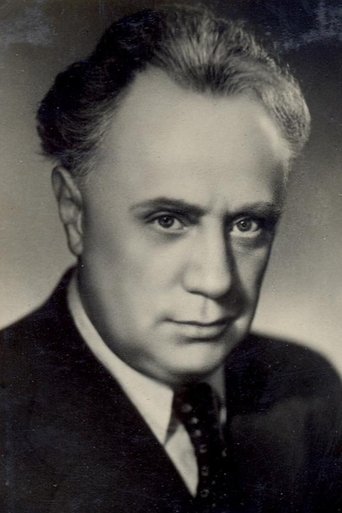
Mikhail Ivanovich Zharov is a Soviet theater and film actor. People's Artist of the RSFSR (1944) and People's Artist of the USSR (October 26, 1949). In 1920, he graduated from the studio at the theater of the Artistic and Educational Union of Workers' Organization. He acted in theaters No. 1 of the Revolutionary Military Union of the Republic, the Safonov Theater, the Baku Workers' Theater, the Realistic Theater, and the Moscow Chamber Theater. From 1938, he was an actor and director at the Maly Theater. He made his film debut in 1915 with a tiny, practically unnoticeable role as an oprichnik in the film "Tsar Ivan Vasilyevich the Terrible." He played his first major role, that of Red Army soldier Yegor, in 1925 in the film "The Road to Happiness." In those years, Zharov was considered an unrivaled master of the episodic genre (Don Diego and Pelageya, The Man from the Restaurant, The White Eagle, The Living Corpse, Outskirts, and Puppets). He found expressive, distinctive details and rich, vibrant colors for his characters, imbuing them all—both villains and heroes—with a common quality: they are all great lovers of life, charming, confident, and in control of life. His heroes know how to enjoy everything: food, billiards, wine, women, the simple songs they often hum, a sunny day, or an unexpected win. Zharov combined absolute authenticity and vivid psychological characterization with a sometimes grotesque portrayal of the role, enlivening any plot, even the most serious, with his presence. In the 1930s, thanks to cinema, Zharov achieved national popularity. The artist was in great demand. He was invited by the most famous directors. With Nikolai Ekk he played one of his most famous roles - the bandit Zhigan (A Start in Life), with Grigory Kozintsev and Leonid Trauberg - the smug clerk Dymba (The Return of Maxim and The Vyborg Side), with Vladimir Petrov - the cheerful prankster Kudryash (The Storm) and the good-natured, cheerful courtier Menshikov (Peter the Great), with Isidor Annensky - the loud, healthy landowner Smirnov (The Bear), the cheerful teacher Kovalenko (The Man in the Case) and the carefree landowner Artynov (Anna on the Neck), with the Vasiliev brothers - the daring Cossack Perchikhin (The Defense of Tsaritsyn), with Sergei Eisenstein - Malyuta Skuratov, a cunning, cruel, "smart" peasant, who managed to become the Tsar's right hand ("Ivan the Terrible"). In 1944, he was awarded "For successful work in the field of Soviet cinematography during the Patriotic War and the release of highly artistic films." In total, M.I. Zharov starred in more than 60 films. Over the years, the courage of his characters diminished; they became calmer, wiser, and more grounded. His last film character was the rural policeman Aniskina ("The Village Detective," "Anikina and Fantomas," "And Again Aniskina"). The role was a signature one for the actor: his Aniskina is a village philosopher, a sage, insightful, unfussy, and attentive to all matters. A hero who affirms the belief that our lives depend on our own decision to live correctly and wisely. As a film director, Zharov made three films: “Troublesome Economy”, “Aniskine and Fantomas” (together with V.A. Rappoport), “And Again Aniskine” (together with V.I. Ivanov).

Biography

Mikhail Ivanovich Zharov is a Soviet theater and film actor. People's Artist of the RSFSR (1944) and People's Artist of the USSR (October 26, 1949). In 1920, he graduated from the studio at the theater of the Artistic and Educational Union of Workers' Organization. He acted in theaters No. 1 of the Revolutionary Military Union of the Republic, the Safonov Theater, the Baku Workers' Theater, the Realistic Theater, and the Moscow Chamber Theater. From 1938, he was an actor and director at the Maly Theater. He made his film debut in 1915 with a tiny, practically unnoticeable role as an oprichnik in the film "Tsar Ivan Vasilyevich the Terrible." He played his first major role, that of Red Army soldier Yegor, in 1925 in the film "The Road to Happiness." In those years, Zharov was considered an unrivaled master of the episodic genre (Don Diego and Pelageya, The Man from the Restaurant, The White Eagle, The Living Corpse, Outskirts, and Puppets). He found expressive, distinctive details and rich, vibrant colors for his characters, imbuing them all—both villains and heroes—with a common quality: they are all great lovers of life, charming, confident, and in control of life. His heroes know how to enjoy everything: food, billiards, wine, women, the simple songs they often hum, a sunny day, or an unexpected win. Zharov combined absolute authenticity and vivid psychological characterization with a sometimes grotesque portrayal of the role, enlivening any plot, even the most serious, with his presence. In the 1930s, thanks to cinema, Zharov achieved national popularity. The artist was in great demand. He was invited by the most famous directors. With Nikolai Ekk he played one of his most famous roles - the bandit Zhigan (A Start in Life), with Grigory Kozintsev and Leonid Trauberg - the smug clerk Dymba (The Return of Maxim and The Vyborg Side), with Vladimir Petrov - the cheerful prankster Kudryash (The Storm) and the good-natured, cheerful courtier Menshikov (Peter the Great), with Isidor Annensky - the loud, healthy landowner Smirnov (The Bear), the cheerful teacher Kovalenko (The Man in the Case) and the carefree landowner Artynov (Anna on the Neck), with the Vasiliev brothers - the daring Cossack Perchikhin (The Defense of Tsaritsyn), with Sergei Eisenstein - Malyuta Skuratov, a cunning, cruel, "smart" peasant, who managed to become the Tsar's right hand ("Ivan the Terrible"). In 1944, he was awarded "For successful work in the field of Soviet cinematography during the Patriotic War and the release of highly artistic films." In total, M.I. Zharov starred in more than 60 films. Over the years, the courage of his characters diminished; they became calmer, wiser, and more grounded. His last film character was the rural policeman Aniskina ("The Village Detective," "Anikina and Fantomas," "And Again Aniskina"). The role was a signature one for the actor: his Aniskina is a village philosopher, a sage, insightful, unfussy, and attentive to all matters. A hero who affirms the belief that our lives depend on our own decision to live correctly and wisely. As a film director, Zharov made three films: “Troublesome Economy”, “Aniskine and Fantomas” (together with V.A. Rappoport), “And Again Aniskine” (together with V.I. Ivanov).

Filmography

ranked on this site
1960s3 titlesDDerevenskiy detektiv1969 · as Aniskin58.1SStarshaya sestra1967 · as Ukhov58.5CCain the XVIII-th1963 · as Minister of War58.3
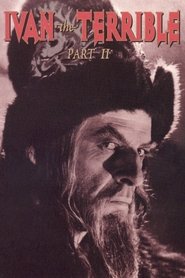
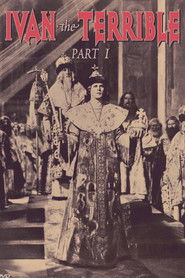
1940s2 titlesIIvan the Terrible, Part II: The Boyars' Plot1946 · as Czar's Guard Malyuta Skuratov60.3IIvan the Terrible, Part I1944 · as Czar's Guard Malyuta Skuratov59.1
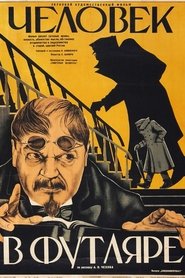
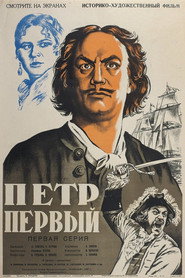
1930s3 titlesMMan in a Shell1939 · as Mikhail Kovalenko58.4PPeter the First1937 · as Menshikov58.0OOutskirts1933 · as Krayevitch - Menchevik student56.6

Browse the ranked list

you've reached the bottom
goodrecmovies
movies worth your night.

This product uses TMDB and the TMDB APIs but is not endorsed, certified, or otherwise approved by TMDB.

← back

Mikhail Zharov

M
born1899
died1981
known forActing
titles on site8
avg GRM58.4
honors19 · Order of the October Revolution, 1979
Honors
  • 1979Order of the October Revolution
  • 1974"Hammer and Sickle" gold medal
  • 1970Jubilee Medal "In Commemoration of the 100th Anniversary of the Birth of Vladimir Ilyich Lenin"
  • 1967Order of Lenin
  • 1967Medal "For Distinguished Labour"
  • 1964People's Artist of the Azerbaijan SSR
  • 1949People's Artist of the USSR
  • 1949Order of the Red Banner of Labour
  • 1947Stalin Prize, 2nd degree
  • 1944People's Artist of the RSFSR
  • 1944Order of the Red Star
  • 1941State Stalin Prize, 1st degree
  • 1935Honored Artist of the RSFSR
  • —Hero of Socialist Labour
  • —Medal "Veteran of Labour"
  • —Jubilee Medal "Thirty Years of Victory in the Great Patriotic War 1941–1945"
  • —Medal "For Valiant Labour in the Great Patriotic War 1941–1945"
  • —Medal "In Commemoration of the 800th Anniversary of Moscow"
  • —Prize of the Ministry of Internal Affairs of Russia
Mikhail Ivanovich Zharov is a Soviet theater and film actor. People's Artist of the RSFSR (1944) and People's Artist of the USSR (October 26, 1949). In 1920, he graduated from the studio at the theater of the Artistic and Educational Union of Workers' Organization. He acted in theaters No. 1 of the Revolutionary Military Union of the Republic, the Safonov Theater, the Baku Workers' Theater, the Realistic Theater, and the Moscow Chamber Theater. From 1938, he was an actor and director at the Maly Theater. He made his film debut in 1915 with a tiny, practically unnoticeable role as an oprichnik in the film "Tsar Ivan Vasilyevich the Terrible." He played his first major role, that of Red Army soldier Yegor, in 1925 in the film "The Road to Happiness." In those years, Zharov was considered an unrivaled master of the episodic genre (Don Diego and Pelageya, The Man from the Restaurant, The White Eagle, The Living Corpse, Outskirts, and Puppets). He found expressive, distinctive details and rich, vibrant colors for his characters, imbuing them all—both villains and heroes—with a common quality: they are all great lovers of life, charming, confident, and in control of life. His heroes know how to enjoy everything: food, billiards, wine, women, the simple songs they often hum, a sunny day, or an unexpected win. Zharov combined absolute authenticity and vivid psychological characterization with a sometimes grotesque portrayal of the role, enlivening any plot, even the most serious, with his presence. In the 1930s, thanks to cinema, Zharov achieved national popularity. The artist was in great demand. He was invited by the most famous directors. With Nikolai Ekk he played one of his most famous roles - the bandit Zhigan (A Start in Life), with Grigory Kozintsev and Leonid Trauberg - the smug clerk Dymba (The Return of Maxim and The Vyborg Side), with Vladimir Petrov - the cheerful prankster Kudryash (The Storm) and the good-natured, cheerful courtier Menshikov (Peter the Great), with Isidor Annensky - the loud, healthy landowner Smirnov (The Bear), the cheerful teacher Kovalenko (The Man in the Case) and the carefree landowner Artynov (Anna on the Neck), with the Vasiliev brothers - the daring Cossack Perchikhin (The Defense of Tsaritsyn), with Sergei Eisenstein - Malyuta Skuratov, a cunning, cruel, "smart" peasant, who managed to become the Tsar's right hand ("Ivan the Terrible"). In 1944, he was awarded "For successful work in the field of Soviet cinematography during the Patriotic War and the release of highly artistic films." In total, M.I. Zharov starred in more than 60 films. Over the years, the courage of his characters diminished; they became calmer, wiser, and more grounded. His last film character was the rural policeman Aniskina ("The Village Detective," "Anikina and Fantomas," "And Again Aniskina"). The role was a signature one for the actor: his Aniskina is a village philosopher, a sage, insightful, unfussy, and attentive to all matters. A hero who affirms the belief that our lives depend on our own decision to live correctly and wisely. As a film director, Zharov made three films: “Troublesome Economy”, “Aniskine and Fantomas” (together with V.A. Rappoport), “And Again Aniskine” (together with V.I. Ivanov).

Filmography

ranked on this site

Browse the ranked list