Directing

Robert Wise

1914–2005 · Directing
65.7avg grm
15titles
#649best rank
7honors
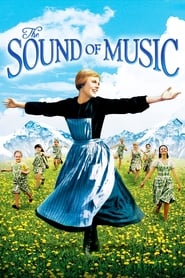
Sbest title · #649 on siteThe Sound of Music1965 · as Director76.5

Honors

7
1966Academy Award — Best Picture
1962Academy Award — Best Director
1998AFI Life Achievement Award
1967Irving G. Thalberg Memorial Award
—Directors Guild of America Award
Honors
  • 1966Academy Award — Best Picture
  • 1962Academy Award — Best Director
  • 1998AFI Life Achievement Award
  • 1967Irving G. Thalberg Memorial Award
  • —Directors Guild of America Award
  • —National Medal of Arts
  • —star on Hollywood Walk of Fame

Bio

Robert Earl Wise (September 10, 1914 – September 14, 2005) was an American sound effects editor, film editor, film producer and director. He won Academy Awards as Best Director for The Sound of Music (1965) and West Side Story (1961) as well as nominations as Best Film Editing for Citizen Kane (1941) and Best Picture for The Sand Pebbles (1966). Among his other films are Born to Kill; Destination Gobi; The Hindenburg; Star Trek: The Motion Picture; The Day the Earth Stood Still; Run Silent, Run Deep; The Andromeda Strain; The Set-Up; The Haunting; and The Body Snatcher. Wise's working period spanned the 1930s to the 1990s. Often contrasted with contemporary "auteur" directors such as Stanley Kubrick who tended to bring a distinctive directorial "look" to a particular genre, Wise is famously viewed to have allowed his (sometimes studio assigned) story to dictate style. Later critics such as Martin Scorsese would go on to expand that characterization, insisting that despite Wise's notorious workaday concentration on stylistic perfection within the confines of genre and budget, his choice of subject matter and approach still functioned to identify Wise as an artist and not merely an artisan. Through whatever means, Wise's approach would bring him critical success as a director in many different traditional film genres: from horror to noir to Western to war films to science fiction, to musical and drama, with many repeat hits within each genre. Wise's tendency towards professionalism led to a degree of preparedness which, though nominally motivated by studio budget constraints, nevertheless advanced the moviemaking art, with many Academy Award-winning films the result. Robert Wise received the AFI Life Achievement Award in 1998.   Description above from the Wikipedia article Robert Wise, licensed under CC-BY-SA, full list of contributors on Wikipedia.

Biography

Robert Earl Wise (September 10, 1914 – September 14, 2005) was an American sound effects editor, film editor, film producer and director. He won Academy Awards as Best Director for The Sound of Music (1965) and West Side Story (1961) as well as nominations as Best Film Editing for Citizen Kane (1941) and Best Picture for The Sand Pebbles (1966). Among his other films are Born to Kill; Destination Gobi; The Hindenburg; Star Trek: The Motion Picture; The Day the Earth Stood Still; Run Silent, Run Deep; The Andromeda Strain; The Set-Up; The Haunting; and The Body Snatcher. Wise's working period spanned the 1930s to the 1990s. Often contrasted with contemporary "auteur" directors such as Stanley Kubrick who tended to bring a distinctive directorial "look" to a particular genre, Wise is famously viewed to have allowed his (sometimes studio assigned) story to dictate style. Later critics such as Martin Scorsese would go on to expand that characterization, insisting that despite Wise's notorious workaday concentration on stylistic perfection within the confines of genre and budget, his choice of subject matter and approach still functioned to identify Wise as an artist and not merely an artisan. Through whatever means, Wise's approach would bring him critical success as a director in many different traditional film genres: from horror to noir to Western to war films to science fiction, to musical and drama, with many repeat hits within each genre. Wise's tendency towards professionalism led to a degree of preparedness which, though nominally motivated by studio budget constraints, nevertheless advanced the moviemaking art, with many Academy Award-winning films the result. Robert Wise received the AFI Life Achievement Award in 1998.   Description above from the Wikipedia article Robert Wise, licensed under CC-BY-SA, full list of contributors on Wikipedia.

Filmography

goodrecmovies Score
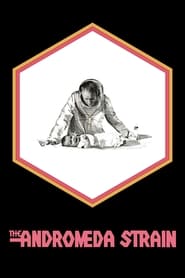
1970s1 titleAThe Andromeda Strain1971 · as Director66.6
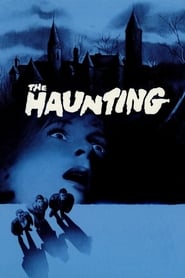
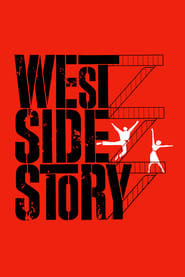
1960s4 titlesSThe Sand Pebbles1966 · as Director69.5SThe Sound of Music1965 · as Director76.5HThe Haunting1963 · as Director72.3WWest Side Story1961 · as Director75.5
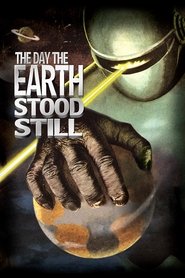
1950s6 titlesOOdds Against Tomorrow1959 · as Director57.0RRun Silent Run Deep1958 · as Director72.3II Want to Live!1958 · as Director58.0SSomebody Up There Likes Me1956 · as Director58.0EExecutive Suite1954 · as Director57.0DThe Day the Earth Stood Still1951 · as Director76.0
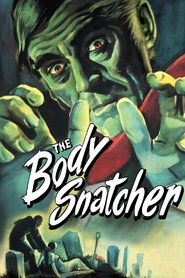
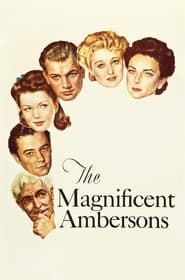
1940s4 titlesSThe Set-Up1949 · as Director61.6BBorn to Kill1947 · as Director54.8BThe Body Snatcher1945 · as Director55.5MThe Magnificent Ambersons1942 · as Director75.6

Browse the ranked list

you've reached the bottom
goodrecmovies
movies worth your night.

This product uses TMDB and the TMDB APIs but is not endorsed, certified, or otherwise approved by TMDB.

← back

Robert Wise

R
born1914
died2005
known forDirecting
titles on site15
best title rank#649 · The Sound of Music (1965)
avg GRM65.7
honors7 · Academy Award — Best Picture, 1966
Honors
  • 1966Academy Award — Best Picture
  • 1962Academy Award — Best Director
  • 1998AFI Life Achievement Award
  • 1967Irving G. Thalberg Memorial Award
  • —Directors Guild of America Award
  • —National Medal of Arts
  • —star on Hollywood Walk of Fame
Robert Earl Wise (September 10, 1914 – September 14, 2005) was an American sound effects editor, film editor, film producer and director. He won Academy Awards as Best Director for The Sound of Music (1965) and West Side Story (1961) as well as nominations as Best Film Editing for Citizen Kane (1941) and Best Picture for The Sand Pebbles (1966). Among his other films are Born to Kill; Destination Gobi; The Hindenburg; Star Trek: The Motion Picture; The Day the Earth Stood Still; Run Silent, Run Deep; The Andromeda Strain; The Set-Up; The Haunting; and The Body Snatcher. Wise's working period spanned the 1930s to the 1990s. Often contrasted with contemporary "auteur" directors such as Stanley Kubrick who tended to bring a distinctive directorial "look" to a particular genre, Wise is famously viewed to have allowed his (sometimes studio assigned) story to dictate style. Later critics such as Martin Scorsese would go on to expand that characterization, insisting that despite Wise's notorious workaday concentration on stylistic perfection within the confines of genre and budget, his choice of subject matter and approach still functioned to identify Wise as an artist and not merely an artisan. Through whatever means, Wise's approach would bring him critical success as a director in many different traditional film genres: from horror to noir to Western to war films to science fiction, to musical and drama, with many repeat hits within each genre. Wise's tendency towards professionalism led to a degree of preparedness which, though nominally motivated by studio budget constraints, nevertheless advanced the moviemaking art, with many Academy Award-winning films the result. Robert Wise received the AFI Life Achievement Award in 1998.   Description above from the Wikipedia article Robert Wise, licensed under CC-BY-SA, full list of contributors on Wikipedia.

Filmography

goodrecmovies Score

Browse the ranked list