

Acting

Bernhard Wicki

1919–2000 · Acting

64.9avg grm
6titles
#222best rank
21honors
Pbest title · #222 on siteParis, Texas1984 · as Doctor Ulmer79.8

Honors

21
1989Bavarian Film Awards
1988Grimme-Preis
1972Goldene Kamera
1962Bambi Award
1992Bavarian Order of Merit
Honors
  • 1989Bavarian Film Awards
  • 1988Grimme-Preis
  • 1972Goldene Kamera
  • 1962Bambi Award
  • 1992Bavarian Order of Merit
  • 1960Golden Globes
  • 1998DIVA – Deutscher Entertainment Preis
  • 1960Q1204973
  • 1958Filmband in Silber
  • 1960Filmband in Gold
  • 1961Silver Bear — Best Director
  • 1990Berlinale Camera
  • 1990Schwabing Art Prize
  • 1960Q1535351
  • 1986Helmut Käutner Prize
  • 1979Jakob Prandtauer Prize
  • 1960Preis der deutschen Filmkritik
  • 1999Munich "München leuchtet" award
  • 1982Commander's Cross of the Order of Merit of the Federal Republic of Germany
  • 2000Austrian Decoration — Science and Art First Class
  • —National Board of Review Award — Best Film

Bio

​From Wikipedia, the free encyclopedia. Bernhard Wicki  (28 October 1919 in St. Pölten, Austria - 5 January 2000 in Munich) was an Austrian actor and film director. Wicki studied in the city of Breslau such topics as Art History, History und German Literature. In 1938, he transferred to the Schauspielschule des Staatlichen Schauspielhauses (drama school) in Berlin. In 1939, because of his membership in the Bündischen Jugend he was imprisoned for many months in the Sachsenhausen concentration camp. After his release he moved to Vienna, and then in 1944 to Switzerland. After the end of World War II, he starred in many films, like Die letzte Brücke (1953) and Es geschah am 20. Juli (1955). He was also a photographer. His first attempt at directing came three years later with the documentary Warum sind sie gegen uns? (1958). He became internationally famous with his anti-war film of 1959 called Die Brücke. In 1961, he won the Silver Bear for Best Director at the 11th Berlin International Film Festival for his film The Miracle of Father Malachia. After his death in 2001, a fund was started and named after him in Munich, the Bernhard Wicki Memorial Fund. Since 2002, it has awarded a film prize, The Bridge, considered a peace prize. A further prize was endowed in 2006 with 15,000 euros, a prize given in the city of Emden since 2000. He was a patron of the International Film Festival in Emden-Norderney which first started in 1990. He first married Agnes Fink, a fellow acting colleague, and later married Elisabeth Endriss, also a colleague. In the documentary Verstörung - und eine Art von Poesie (June, 2007), Elisabeth Wicki-Endriss portrayed the life and work for Wicki. He is buried at the Nymphenburger cemetery in Munich (grave number 4-1-23). Description above from the Wikipedia article Bernhard Wicki, licensed under CC-BY-SA, full list of contributors on Wikipedia
Biography

​From Wikipedia, the free encyclopedia. Bernhard Wicki  (28 October 1919 in St. Pölten, Austria - 5 January 2000 in Munich) was an Austrian actor and film director. Wicki studied in the city of Breslau such topics as Art History, History und German Literature. In 1938, he transferred to the Schauspielschule des Staatlichen Schauspielhauses (drama school) in Berlin. In 1939, because of his membership in the Bündischen Jugend he was imprisoned for many months in the Sachsenhausen concentration camp. After his release he moved to Vienna, and then in 1944 to Switzerland. After the end of World War II, he starred in many films, like Die letzte Brücke (1953) and Es geschah am 20. Juli (1955). He was also a photographer. His first attempt at directing came three years later with the documentary Warum sind sie gegen uns? (1958). He became internationally famous with his anti-war film of 1959 called Die Brücke. In 1961, he won the Silver Bear for Best Director at the 11th Berlin International Film Festival for his film The Miracle of Father Malachia. After his death in 2001, a fund was started and named after him in Munich, the Bernhard Wicki Memorial Fund. Since 2002, it has awarded a film prize, The Bridge, considered a peace prize. A further prize was endowed in 2006 with 15,000 euros, a prize given in the city of Emden since 2000. He was a patron of the International Film Festival in Emden-Norderney which first started in 1990. He first married Agnes Fink, a fellow acting colleague, and later married Elisabeth Endriss, also a colleague. In the documentary Verstörung - und eine Art von Poesie (June, 2007), Elisabeth Wicki-Endriss portrayed the life and work for Wicki. He is buried at the Nymphenburger cemetery in Munich (grave number 4-1-23). Description above from the Wikipedia article Bernhard Wicki, licensed under CC-BY-SA, full list of contributors on Wikipedia
Filmography

ranked on this site
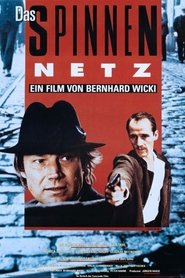
1980s2 titlesSSpider's Web1989 · as Director58.2PParis, Texas1984 · as Doctor Ulmer79.8
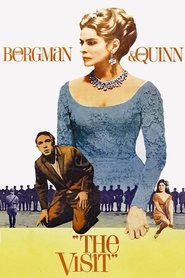
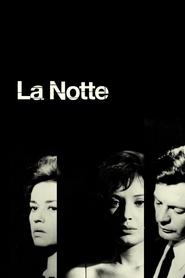
1960s2 titlesVThe Visit1964 · as Director57.6LLa Notte1961 · as Tommaso Garani72.9
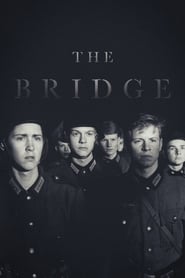
1950s2 titlesBThe Bridge1959 · as Director62.6LThe Last Bridge1954 · as Boro58.0

Browse the ranked list

you've reached the bottom
goodrecmovies
movies worth your night.

This product uses TMDB and the TMDB APIs but is not endorsed, certified, or otherwise approved by TMDB.

← back

Bernhard Wicki

B
born1919
died2000
known forActing
titles on site6
best title rank#222 · Paris, Texas (1984)
avg GRM64.9
honors21 · Bavarian Film Awards, 1989
Honors
  • 1989Bavarian Film Awards
  • 1988Grimme-Preis
  • 1972Goldene Kamera
  • 1962Bambi Award
  • 1992Bavarian Order of Merit
  • 1960Golden Globes
  • 1998DIVA – Deutscher Entertainment Preis
  • 1960Q1204973
  • 1958Filmband in Silber
  • 1960Filmband in Gold
  • 1961Silver Bear — Best Director
  • 1990Berlinale Camera
  • 1990Schwabing Art Prize
  • 1960Q1535351
  • 1986Helmut Käutner Prize
  • 1979Jakob Prandtauer Prize
  • 1960Preis der deutschen Filmkritik
  • 1999Munich "München leuchtet" award
  • 1982Commander's Cross of the Order of Merit of the Federal Republic of Germany
  • 2000Austrian Decoration — Science and Art First Class
  • —National Board of Review Award — Best Film
​From Wikipedia, the free encyclopedia. Bernhard Wicki  (28 October 1919 in St. Pölten, Austria - 5 January 2000 in Munich) was an Austrian actor and film director. Wicki studied in the city of Breslau such topics as Art History, History und German Literature. In 1938, he transferred to the Schauspielschule des Staatlichen Schauspielhauses (drama school) in Berlin. In 1939, because of his membership in the Bündischen Jugend he was imprisoned for many months in the Sachsenhausen concentration camp. After his release he moved to Vienna, and then in 1944 to Switzerland. After the end of World War II, he starred in many films, like Die letzte Brücke (1953) and Es geschah am 20. Juli (1955). He was also a photographer. His first attempt at directing came three years later with the documentary Warum sind sie gegen uns? (1958). He became internationally famous with his anti-war film of 1959 called Die Brücke. In 1961, he won the Silver Bear for Best Director at the 11th Berlin International Film Festival for his film The Miracle of Father Malachia. After his death in 2001, a fund was started and named after him in Munich, the Bernhard Wicki Memorial Fund. Since 2002, it has awarded a film prize, The Bridge, considered a peace prize. A further prize was endowed in 2006 with 15,000 euros, a prize given in the city of Emden since 2000. He was a patron of the International Film Festival in Emden-Norderney which first started in 1990. He first married Agnes Fink, a fellow acting colleague, and later married Elisabeth Endriss, also a colleague. In the documentary Verstörung - und eine Art von Poesie (June, 2007), Elisabeth Wicki-Endriss portrayed the life and work for Wicki. He is buried at the Nymphenburger cemetery in Munich (grave number 4-1-23). Description above from the Wikipedia article Bernhard Wicki, licensed under CC-BY-SA, full list of contributors on Wikipedia
Filmography

ranked on this site

Browse the ranked list