
Acting

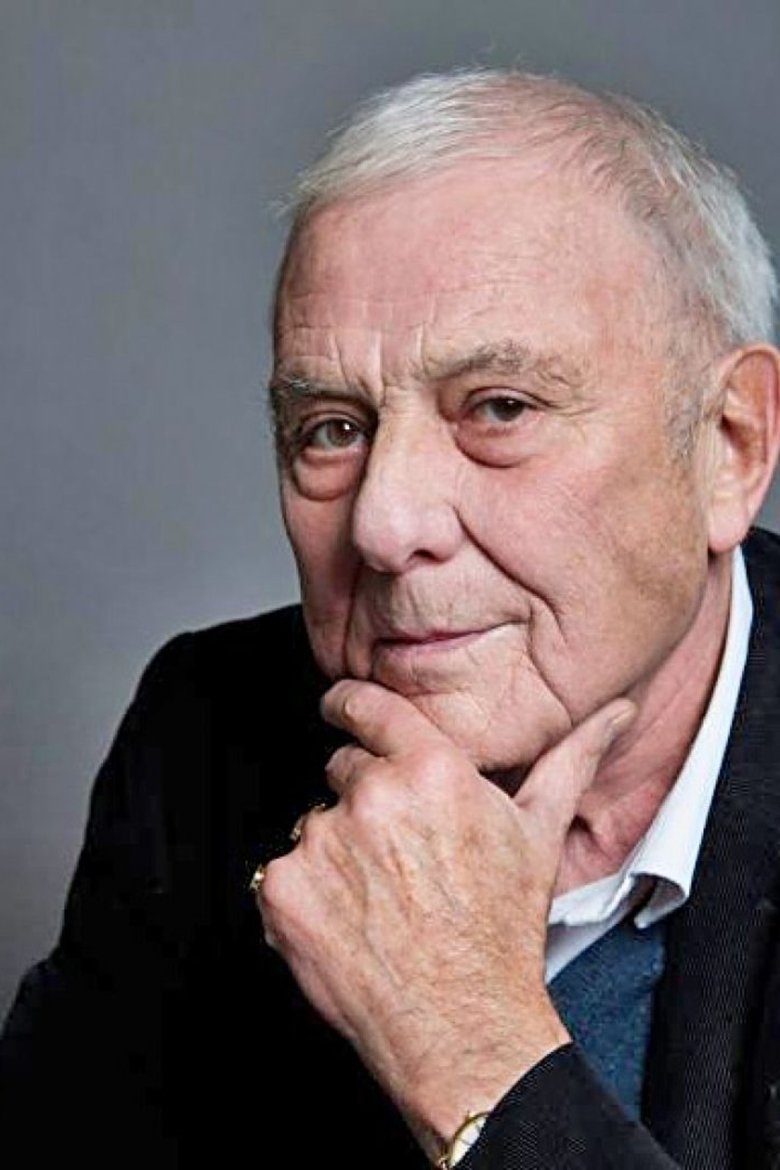
Philippe Sollers

1936–2023 · Acting

63.9avg grm
3titles
12honors

Honors

12
2014Commandeur des Arts et des Lettres
2012Q3404541
2009The prize of the BNF
2008Saint-Simon Award
2006Prince Pierre Award
Honors
  • 2014Commandeur des Arts et des Lettres
  • 2012Q3404541
  • 2009The prize of the BNF
  • 2008Saint-Simon Award
  • 2006Prince Pierre Award
  • 2003Q16671140
  • 1993Knight of the Legion of Honour
  • 1992Grand prix de littérature Paul-Morand
  • 1988Grand Prix littéraire de la Ville de Paris
  • 1984Q97954105
  • 1961Prix Médicis
  • 1958Fénéon Prize — literature

Bio

Philippe Sollers (born Philippe Joyaux; 28 November 1936 – 5 May 2023) was a French writer and critic. In 1960 he founded the avant garde literary journal Tel Quel (along with writer and art critic Marcelin Pleynet), which was published by Le Seuil and ran until 1982. Sollers then created the journal L'Infini, published first by Denoel, then by Gallimard with Sollers remaining as sole editor. Sollers was at the heart of the period of intellectual fervour in the Paris of the 1960s and 1970s. He contributed to the publication of critics and thinkers such as Jacques Derrida, Jacques Lacan, Louis Althusser, and Roland Barthes. Some of them were later described in his novel Femmes (1983), alongside other figures of French intellectualism active before and after May 1968. His writings and approach to language were examined and praised by French critic Roland Barthes in his book Writer Sollers. Sollers was born as Philippe Joyaux on 28 November 1936, in Talence, France. His family ran the local Société Joyaux Frères, the iron factory Recalt producing material for kitchens, metal constructions and machines for the aircraft manufacturer SNCASO under the German military administration in occupied France during World War II. His parents were Octave Joyaux and Marcelle Molinié. He moved to Paris in 1955, studied at the Lycée privé Sainte-Geneviève of Versailles and at the ESSEC Business School. Sollers married Julia Kristeva in 1967. He died on 5 May 2023, at the age of 86. Following his first novel, A Strange Solitude (1958), hailed by François Mauriac and Louis Aragon, Sollers began, with The Park (1961) the experiments in narrative form that would lead to Event (Drame, 1965) and Nombres (1968). Jacques Derrida analyzed these novels in his book Dissemination. Sollers then attempted to counter the high seriousness of Nombres in Lois (1972), which featured greater stylistic interest through the use of wordplay and a less formal style. The direction taken by Lois was developed through the heightened rhythmic intensity of non-punctuated texts such as Paradis (1981). Sollers's other novels include Women (1983), Portrait du joueur (1984), Le coeur absolu (1986), Watteau in Venice (1991), Studio (1997), Passion fixe (2000), and L'étoile des amants (2002), which introduced a degree of realism to his fiction, in that they make more explicit use of plot, character, and thematic development. They offer the reader a fictional study of the society in which he or she lives by reinterpreting, among other things, the roles of politics, media, sex, religion, and the arts. Source: Article "Philippe Sollers" from Wikipedia in English, licensed under CC-BY-SA 3.0.
Biography

Philippe Sollers (born Philippe Joyaux; 28 November 1936 – 5 May 2023) was a French writer and critic. In 1960 he founded the avant garde literary journal Tel Quel (along with writer and art critic Marcelin Pleynet), which was published by Le Seuil and ran until 1982. Sollers then created the journal L'Infini, published first by Denoel, then by Gallimard with Sollers remaining as sole editor. Sollers was at the heart of the period of intellectual fervour in the Paris of the 1960s and 1970s. He contributed to the publication of critics and thinkers such as Jacques Derrida, Jacques Lacan, Louis Althusser, and Roland Barthes. Some of them were later described in his novel Femmes (1983), alongside other figures of French intellectualism active before and after May 1968. His writings and approach to language were examined and praised by French critic Roland Barthes in his book Writer Sollers. Sollers was born as Philippe Joyaux on 28 November 1936, in Talence, France. His family ran the local Société Joyaux Frères, the iron factory Recalt producing material for kitchens, metal constructions and machines for the aircraft manufacturer SNCASO under the German military administration in occupied France during World War II. His parents were Octave Joyaux and Marcelle Molinié. He moved to Paris in 1955, studied at the Lycée privé Sainte-Geneviève of Versailles and at the ESSEC Business School. Sollers married Julia Kristeva in 1967. He died on 5 May 2023, at the age of 86. Following his first novel, A Strange Solitude (1958), hailed by François Mauriac and Louis Aragon, Sollers began, with The Park (1961) the experiments in narrative form that would lead to Event (Drame, 1965) and Nombres (1968). Jacques Derrida analyzed these novels in his book Dissemination. Sollers then attempted to counter the high seriousness of Nombres in Lois (1972), which featured greater stylistic interest through the use of wordplay and a less formal style. The direction taken by Lois was developed through the heightened rhythmic intensity of non-punctuated texts such as Paradis (1981). Sollers's other novels include Women (1983), Portrait du joueur (1984), Le coeur absolu (1986), Watteau in Venice (1991), Studio (1997), Passion fixe (2000), and L'étoile des amants (2002), which introduced a degree of realism to his fiction, in that they make more explicit use of plot, character, and thematic development. They offer the reader a fictional study of the society in which he or she lives by reinterpreting, among other things, the roles of politics, media, sex, religion, and the arts. Source: Article "Philippe Sollers" from Wikipedia in English, licensed under CC-BY-SA 3.0.

Filmography

ranked on this site
2000s1 titleLLe documentaire culturel2008 · as Self · series63.8
1990s2 titlesUUn siècle d'écrivains1995 · as Self · series64.0UUn siècle d'écrivains1995 · as Ecrivain · series64.0

Browse the ranked list

you've reached the bottom
goodrecmovies
movies worth your night.

This product uses TMDB and the TMDB APIs but is not endorsed, certified, or otherwise approved by TMDB.

← back

Philippe Sollers

P
born1936
died2023
known forActing
titles on site3
avg GRM63.9
honors12 · Commandeur des Arts et des Lettres, 2014
Honors
  • 2014Commandeur des Arts et des Lettres
  • 2012Q3404541
  • 2009The prize of the BNF
  • 2008Saint-Simon Award
  • 2006Prince Pierre Award
  • 2003Q16671140
  • 1993Knight of the Legion of Honour
  • 1992Grand prix de littérature Paul-Morand
  • 1988Grand Prix littéraire de la Ville de Paris
  • 1984Q97954105
  • 1961Prix Médicis
  • 1958Fénéon Prize — literature
Philippe Sollers (born Philippe Joyaux; 28 November 1936 – 5 May 2023) was a French writer and critic. In 1960 he founded the avant garde literary journal Tel Quel (along with writer and art critic Marcelin Pleynet), which was published by Le Seuil and ran until 1982. Sollers then created the journal L'Infini, published first by Denoel, then by Gallimard with Sollers remaining as sole editor. Sollers was at the heart of the period of intellectual fervour in the Paris of the 1960s and 1970s. He contributed to the publication of critics and thinkers such as Jacques Derrida, Jacques Lacan, Louis Althusser, and Roland Barthes. Some of them were later described in his novel Femmes (1983), alongside other figures of French intellectualism active before and after May 1968. His writings and approach to language were examined and praised by French critic Roland Barthes in his book Writer Sollers. Sollers was born as Philippe Joyaux on 28 November 1936, in Talence, France. His family ran the local Société Joyaux Frères, the iron factory Recalt producing material for kitchens, metal constructions and machines for the aircraft manufacturer SNCASO under the German military administration in occupied France during World War II. His parents were Octave Joyaux and Marcelle Molinié. He moved to Paris in 1955, studied at the Lycée privé Sainte-Geneviève of Versailles and at the ESSEC Business School. Sollers married Julia Kristeva in 1967. He died on 5 May 2023, at the age of 86. Following his first novel, A Strange Solitude (1958), hailed by François Mauriac and Louis Aragon, Sollers began, with The Park (1961) the experiments in narrative form that would lead to Event (Drame, 1965) and Nombres (1968). Jacques Derrida analyzed these novels in his book Dissemination. Sollers then attempted to counter the high seriousness of Nombres in Lois (1972), which featured greater stylistic interest through the use of wordplay and a less formal style. The direction taken by Lois was developed through the heightened rhythmic intensity of non-punctuated texts such as Paradis (1981). Sollers's other novels include Women (1983), Portrait du joueur (1984), Le coeur absolu (1986), Watteau in Venice (1991), Studio (1997), Passion fixe (2000), and L'étoile des amants (2002), which introduced a degree of realism to his fiction, in that they make more explicit use of plot, character, and thematic development. They offer the reader a fictional study of the society in which he or she lives by reinterpreting, among other things, the roles of politics, media, sex, religion, and the arts. Source: Article "Philippe Sollers" from Wikipedia in English, licensed under CC-BY-SA 3.0.

Filmography

ranked on this site

Browse the ranked list