
Acting

Norman Schwarzkopf

1934–2012 · Acting

58.9avg grm
1title
27honors

Honors

27
2008New Jersey Hall of Fame
1996honorary doctor of the University of Miami
1991Presidential Medal of Freedom
—Kuwait Liberation Medal
—Order of King Abdulaziz al Saud
Honors
  • 2008New Jersey Hall of Fame
  • 1996honorary doctor of the University of Miami
  • 1991Presidential Medal of Freedom
  • —Kuwait Liberation Medal
  • —Order of King Abdulaziz al Saud
  • —Purple Heart
  • —Congressional Gold Medal
  • —Legion of Merit
  • —Silver Star
  • —Bronze Star Medal
  • —Air Medal
  • —Navy Distinguished Service Medal
  • —Distinguished Flying Cross
  • —Distinguished Service Medal
  • —Vietnam Service Medal
  • —Gallantry Cross
  • —Defense Superior Service Medal
  • —National Defense Service Medal
  • —Air Force Distinguished Service Medal
  • —Commendation Medal
  • —Combat Infantryman Badge
  • —Vietnam Campaign Medal
  • —Armed Forces Expeditionary Medal
  • —Army of Occupation Medal
  • —Grand Officer of the Legion of Honour
  • —Knight Commander of the Order of the Bath
  • —Legionnaire of Legion of Merit

Bio

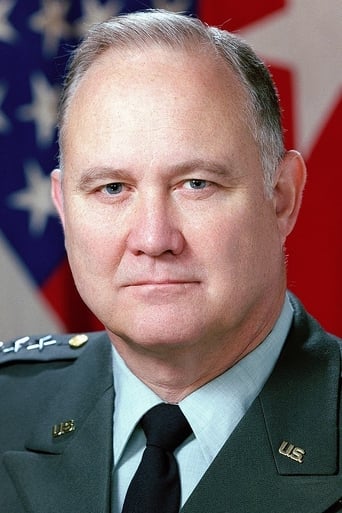
Herbert Norman Schwarzkopf Jr. KCB (August 22, 1934 – December 27, 2012) was a United States Army general. While serving as the commander of United States Central Command, he led all coalition forces in the Gulf War against Ba'athist Iraq. Born in Trenton, New Jersey, Schwarzkopf grew up in the United States and later in Iran. He was accepted by the United States Military Academy and was commissioned as a second lieutenant in the United States Army in 1956. After a number of initial training programs, Schwarzkopf interrupted a stint as an academy teacher and served in the Vietnam War, first as an adviser to the South Vietnamese Army and then as a battalion commander. Schwarzkopf was highly decorated in Vietnam and was awarded three Silver Stars, two Purple Hearts, and the Legion of Merit. Rising through the ranks after the Vietnam war, he later commanded the 24th Mechanized Infantry Division and was one of the commanders of the invasion of Grenada in 1983. Assuming command of United States Central Command in 1988, Schwarzkopf was called on to respond to the invasion of Kuwait in 1990 by the forces of Iraq under Saddam Hussein. Initially tasked with defending Saudi Arabia from Iraqi aggression, Schwarzkopf's command eventually grew to an international force of over 750,000 troops. After diplomatic relations broke down, he planned and led Operation Desert Storm, an extended air campaign followed by a highly successful 100-hour ground offensive, which defeated the Iraqi Army and removed Iraqi troops from Kuwait in early 1991. Schwarzkopf was presented with military honors. Schwarzkopf retired shortly after the end of the war and undertook a number of philanthropic ventures, only occasionally stepping into the political spotlight before his death from complications of pneumonia. A hard-driving military commander, easily angered, Schwarzkopf was considered an exceptional leader by many biographers and was noted for his abilities as a military diplomat and in dealing with the press.
Biography

Herbert Norman Schwarzkopf Jr. KCB (August 22, 1934 – December 27, 2012) was a United States Army general. While serving as the commander of United States Central Command, he led all coalition forces in the Gulf War against Ba'athist Iraq. Born in Trenton, New Jersey, Schwarzkopf grew up in the United States and later in Iran. He was accepted by the United States Military Academy and was commissioned as a second lieutenant in the United States Army in 1956. After a number of initial training programs, Schwarzkopf interrupted a stint as an academy teacher and served in the Vietnam War, first as an adviser to the South Vietnamese Army and then as a battalion commander. Schwarzkopf was highly decorated in Vietnam and was awarded three Silver Stars, two Purple Hearts, and the Legion of Merit. Rising through the ranks after the Vietnam war, he later commanded the 24th Mechanized Infantry Division and was one of the commanders of the invasion of Grenada in 1983. Assuming command of United States Central Command in 1988, Schwarzkopf was called on to respond to the invasion of Kuwait in 1990 by the forces of Iraq under Saddam Hussein. Initially tasked with defending Saudi Arabia from Iraqi aggression, Schwarzkopf's command eventually grew to an international force of over 750,000 troops. After diplomatic relations broke down, he planned and led Operation Desert Storm, an extended air campaign followed by a highly successful 100-hour ground offensive, which defeated the Iraqi Army and removed Iraqi troops from Kuwait in early 1991. Schwarzkopf was presented with military honors. Schwarzkopf retired shortly after the end of the war and undertook a number of philanthropic ventures, only occasionally stepping into the political spotlight before his death from complications of pneumonia. A hard-driving military commander, easily angered, Schwarzkopf was considered an exceptional leader by many biographers and was noted for his abilities as a military diplomat and in dealing with the press.

Filmography

ranked on this site
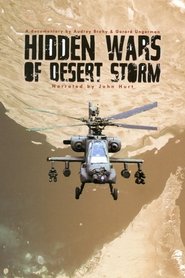
2000s1 titleHThe Hidden Wars of Desert Storm2001 · as Self58.9

Browse the ranked list

you've reached the bottom
goodrecmovies
movies worth your night.

This product uses TMDB and the TMDB APIs but is not endorsed, certified, or otherwise approved by TMDB.

← back

Norman Schwarzkopf

N
born1934
died2012
known forActing
titles on site1
avg GRM58.9
honors27 · New Jersey Hall of Fame, 2008
Honors
  • 2008New Jersey Hall of Fame
  • 1996honorary doctor of the University of Miami
  • 1991Presidential Medal of Freedom
  • —Kuwait Liberation Medal
  • —Order of King Abdulaziz al Saud
  • —Purple Heart
  • —Congressional Gold Medal
  • —Legion of Merit
  • —Silver Star
  • —Bronze Star Medal
  • —Air Medal
  • —Navy Distinguished Service Medal
  • —Distinguished Flying Cross
  • —Distinguished Service Medal
  • —Vietnam Service Medal
  • —Gallantry Cross
  • —Defense Superior Service Medal
  • —National Defense Service Medal
  • —Air Force Distinguished Service Medal
  • —Commendation Medal
  • —Combat Infantryman Badge
  • —Vietnam Campaign Medal
  • —Armed Forces Expeditionary Medal
  • —Army of Occupation Medal
  • —Grand Officer of the Legion of Honour
  • —Knight Commander of the Order of the Bath
  • —Legionnaire of Legion of Merit
Herbert Norman Schwarzkopf Jr. KCB (August 22, 1934 – December 27, 2012) was a United States Army general. While serving as the commander of United States Central Command, he led all coalition forces in the Gulf War against Ba'athist Iraq. Born in Trenton, New Jersey, Schwarzkopf grew up in the United States and later in Iran. He was accepted by the United States Military Academy and was commissioned as a second lieutenant in the United States Army in 1956. After a number of initial training programs, Schwarzkopf interrupted a stint as an academy teacher and served in the Vietnam War, first as an adviser to the South Vietnamese Army and then as a battalion commander. Schwarzkopf was highly decorated in Vietnam and was awarded three Silver Stars, two Purple Hearts, and the Legion of Merit. Rising through the ranks after the Vietnam war, he later commanded the 24th Mechanized Infantry Division and was one of the commanders of the invasion of Grenada in 1983. Assuming command of United States Central Command in 1988, Schwarzkopf was called on to respond to the invasion of Kuwait in 1990 by the forces of Iraq under Saddam Hussein. Initially tasked with defending Saudi Arabia from Iraqi aggression, Schwarzkopf's command eventually grew to an international force of over 750,000 troops. After diplomatic relations broke down, he planned and led Operation Desert Storm, an extended air campaign followed by a highly successful 100-hour ground offensive, which defeated the Iraqi Army and removed Iraqi troops from Kuwait in early 1991. Schwarzkopf was presented with military honors. Schwarzkopf retired shortly after the end of the war and undertook a number of philanthropic ventures, only occasionally stepping into the political spotlight before his death from complications of pneumonia. A hard-driving military commander, easily angered, Schwarzkopf was considered an exceptional leader by many biographers and was noted for his abilities as a military diplomat and in dealing with the press.

Filmography

ranked on this site

Browse the ranked list