
Writing

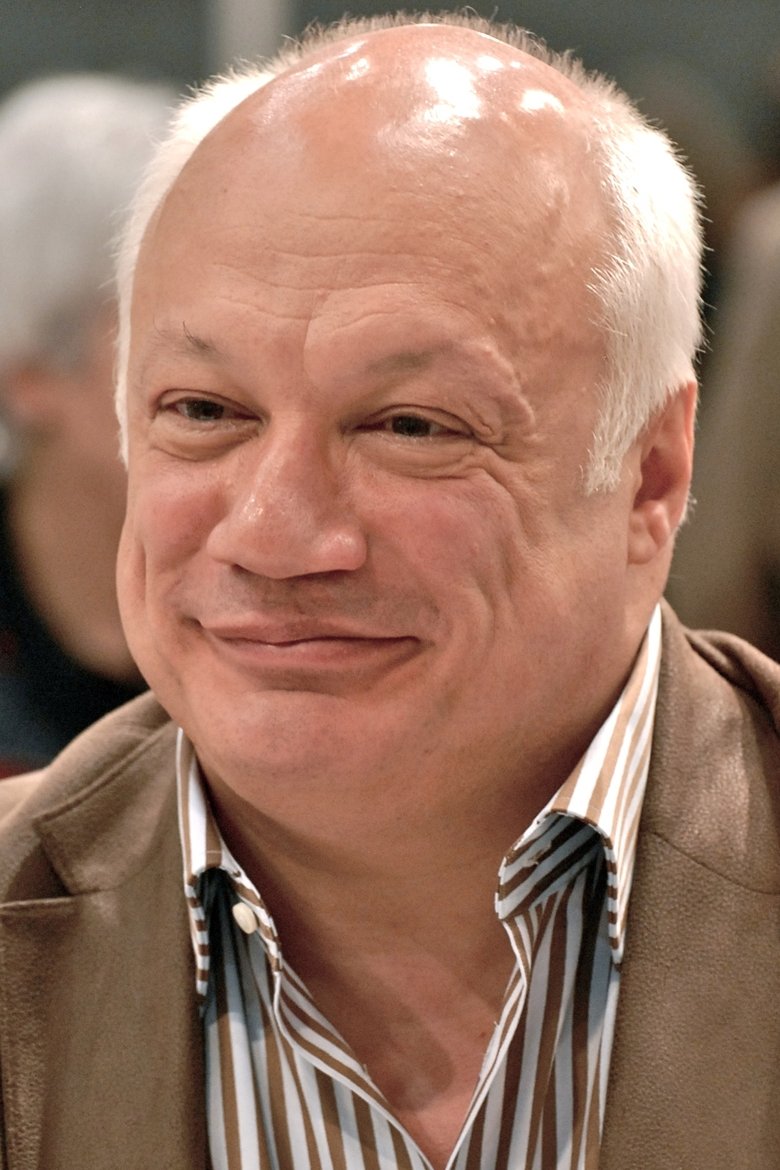
Éric-Emmanuel Schmitt

born 1960 · Writing

64.1avg grm
2titles
9honors

Honors

9
2010Prix Goncourt de la nouvelle
2005Q138306828
2003Q137925272
2001Grand prix du théâtre
—Concours général
Honors
  • 2010Prix Goncourt de la nouvelle
  • 2005Q138306828
  • 2003Q137925272
  • 2001Grand prix du théâtre
  • —Concours général
  • —Chevalier des Arts et des Lettres
  • —Knight of the National Order of Quebec
  • —Commander of the Order of the Crown
  • —honorary doctor of the University of Sherbrooke

Bio

Eric-Emmanuel Schmitt (born 28 March 1960) is a Franco–Belgian playwright, short story writer and novelist, as well as a film director. His plays have been staged in over fifty countries all over the world. Eric-Emmanuel Schmitt's parents were teachers of physical education and sport, and his father later became a physiotherapist and masseur in paediatric hospitals. He was also a French boxing champion while his mother was a medal-winning runner. His grandfather was an artisan jeweller. The "Classiques & Contemporains" edition of La Nuit de Valognes (Don Juan on Trial) claims that Schmitt depicts himself as a rebellious teenager who detested received wisdom and was sometimes prone to violent outbursts. According to Schmitt, however, it was philosophy that saved him and taught him to be himself and to feel that he was free. One day, his mother took him to the Théâtre des Célestins to see a performance of Edmond Rostand's Cyrano de Bergerac starring Jean Marais. Her son was moved to tears and the seeds of his passion for the theatre were sown. After the show, he told his mother that he wanted to "be like the man on the poster"; his mother thought he meant the actor, Jean Marais, but he replied: "No!" and read out the name on the poster "Edmond Rostand". He then began to write. Later, he would say: "At sixteen, I realised (or decided) that I was a writer, and I wrote, produced and acted in my first plays at high school." To improve his style, he threw himself with frenzied zeal into exercises of pastiche and re-writing, especially Molière. After preparatory classes at the Lycée du Parc for France's elite universities, Schmitt passed the entrance exam to the École normale supérieure. He was a student there between 1980 and 1985, leaving with the top French teaching qualification in philosophy (agrégé de philosophie). In 1987, he was awarded the degree of PhD for his thesis "Diderot and Metaphysics" at the Paris-Sorbonne University, which was published in 1997 with the title "Diderot or the Philosophy of Seduction". He has lived in Brussels since 2002 and obtained Belgian citizenship in 2008. Schmitt spent his military service teaching at the Saint-Cyr Military Academy, afterwards spending two years as a student teaching assistant at the University of Besançon. He went on to teach at the high school in Cherbourg before being appointed lecturer at the University of Chambéry, where he taught for four years. On the night of 4 February 1989, he became separated from his companions during an expedition to the Ahaggar Desert and, in the vast expanses of the Sahara, he underwent a spiritual experience that was nothing short of a divine revelation. In that instant, he says that his mind was filled with the words "Everything is justified". Schmitt believes that it was that extraordinary experience that enabled him to break into writing. He describes it in his novel Night of Fire (La Nuit de Feu), published in September 2015. ... Source: Article "Éric-Emmanuel Schmitt" from Wikipedia in English, licensed under CC-BY-SA 3.0.
Biography

Eric-Emmanuel Schmitt (born 28 March 1960) is a Franco–Belgian playwright, short story writer and novelist, as well as a film director. His plays have been staged in over fifty countries all over the world. Eric-Emmanuel Schmitt's parents were teachers of physical education and sport, and his father later became a physiotherapist and masseur in paediatric hospitals. He was also a French boxing champion while his mother was a medal-winning runner. His grandfather was an artisan jeweller. The "Classiques & Contemporains" edition of La Nuit de Valognes (Don Juan on Trial) claims that Schmitt depicts himself as a rebellious teenager who detested received wisdom and was sometimes prone to violent outbursts. According to Schmitt, however, it was philosophy that saved him and taught him to be himself and to feel that he was free. One day, his mother took him to the Théâtre des Célestins to see a performance of Edmond Rostand's Cyrano de Bergerac starring Jean Marais. Her son was moved to tears and the seeds of his passion for the theatre were sown. After the show, he told his mother that he wanted to "be like the man on the poster"; his mother thought he meant the actor, Jean Marais, but he replied: "No!" and read out the name on the poster "Edmond Rostand". He then began to write. Later, he would say: "At sixteen, I realised (or decided) that I was a writer, and I wrote, produced and acted in my first plays at high school." To improve his style, he threw himself with frenzied zeal into exercises of pastiche and re-writing, especially Molière. After preparatory classes at the Lycée du Parc for France's elite universities, Schmitt passed the entrance exam to the École normale supérieure. He was a student there between 1980 and 1985, leaving with the top French teaching qualification in philosophy (agrégé de philosophie). In 1987, he was awarded the degree of PhD for his thesis "Diderot and Metaphysics" at the Paris-Sorbonne University, which was published in 1997 with the title "Diderot or the Philosophy of Seduction". He has lived in Brussels since 2002 and obtained Belgian citizenship in 2008. Schmitt spent his military service teaching at the Saint-Cyr Military Academy, afterwards spending two years as a student teaching assistant at the University of Besançon. He went on to teach at the high school in Cherbourg before being appointed lecturer at the University of Chambéry, where he taught for four years. On the night of 4 February 1989, he became separated from his companions during an expedition to the Ahaggar Desert and, in the vast expanses of the Sahara, he underwent a spiritual experience that was nothing short of a divine revelation. In that instant, he says that his mind was filled with the words "Everything is justified". Schmitt believes that it was that extraordinary experience that enabled him to break into writing. He describes it in his novel Night of Fire (La Nuit de Feu), published in September 2015. ... Source: Article "Éric-Emmanuel Schmitt" from Wikipedia in English, licensed under CC-BY-SA 3.0.
Filmography

goodrecmovies Score
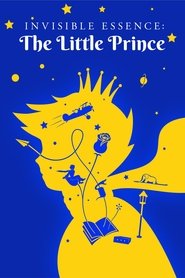
2010s1 titleIInvisible Essence: The Little Prince2018 · as Self72.1
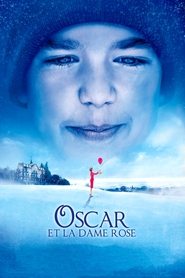
2000s1 titleOOscar and the Lady in Pink2009 · as Director56.1

Best lists with Éric-Emmanuel Schmitt

Browse the ranked list

you've reached the bottom
goodrecmovies
movies worth your night.

This product uses TMDB and the TMDB APIs but is not endorsed, certified, or otherwise approved by TMDB.

← back

Éric-Emmanuel Schmitt

É
born1960
known forWriting
titles on site2
avg GRM64.1
honors9 · Prix Goncourt de la nouvelle, 2010
Honors
  • 2010Prix Goncourt de la nouvelle
  • 2005Q138306828
  • 2003Q137925272
  • 2001Grand prix du théâtre
  • —Concours général
  • —Chevalier des Arts et des Lettres
  • —Knight of the National Order of Quebec
  • —Commander of the Order of the Crown
  • —honorary doctor of the University of Sherbrooke
Eric-Emmanuel Schmitt (born 28 March 1960) is a Franco–Belgian playwright, short story writer and novelist, as well as a film director. His plays have been staged in over fifty countries all over the world. Eric-Emmanuel Schmitt's parents were teachers of physical education and sport, and his father later became a physiotherapist and masseur in paediatric hospitals. He was also a French boxing champion while his mother was a medal-winning runner. His grandfather was an artisan jeweller. The "Classiques & Contemporains" edition of La Nuit de Valognes (Don Juan on Trial) claims that Schmitt depicts himself as a rebellious teenager who detested received wisdom and was sometimes prone to violent outbursts. According to Schmitt, however, it was philosophy that saved him and taught him to be himself and to feel that he was free. One day, his mother took him to the Théâtre des Célestins to see a performance of Edmond Rostand's Cyrano de Bergerac starring Jean Marais. Her son was moved to tears and the seeds of his passion for the theatre were sown. After the show, he told his mother that he wanted to "be like the man on the poster"; his mother thought he meant the actor, Jean Marais, but he replied: "No!" and read out the name on the poster "Edmond Rostand". He then began to write. Later, he would say: "At sixteen, I realised (or decided) that I was a writer, and I wrote, produced and acted in my first plays at high school." To improve his style, he threw himself with frenzied zeal into exercises of pastiche and re-writing, especially Molière. After preparatory classes at the Lycée du Parc for France's elite universities, Schmitt passed the entrance exam to the École normale supérieure. He was a student there between 1980 and 1985, leaving with the top French teaching qualification in philosophy (agrégé de philosophie). In 1987, he was awarded the degree of PhD for his thesis "Diderot and Metaphysics" at the Paris-Sorbonne University, which was published in 1997 with the title "Diderot or the Philosophy of Seduction". He has lived in Brussels since 2002 and obtained Belgian citizenship in 2008. Schmitt spent his military service teaching at the Saint-Cyr Military Academy, afterwards spending two years as a student teaching assistant at the University of Besançon. He went on to teach at the high school in Cherbourg before being appointed lecturer at the University of Chambéry, where he taught for four years. On the night of 4 February 1989, he became separated from his companions during an expedition to the Ahaggar Desert and, in the vast expanses of the Sahara, he underwent a spiritual experience that was nothing short of a divine revelation. In that instant, he says that his mind was filled with the words "Everything is justified". Schmitt believes that it was that extraordinary experience that enabled him to break into writing. He describes it in his novel Night of Fire (La Nuit de Feu), published in September 2015. ... Source: Article "Éric-Emmanuel Schmitt" from Wikipedia in English, licensed under CC-BY-SA 3.0.

Filmography

goodrecmovies Score

Best lists with Éric-Emmanuel Schmitt

Browse the ranked list