Directing

Mikhail Romm

1901–1971 · Directing

58.8avg grm
7titles
12honors

Honors

12
1971Order of the October Revolution
1966Vasilyev Brothers State Prize of the RSFSR
1961Order of the Red Banner of Labour
1950People's Artist of the USSR
1948State Stalin Prize, 1st degree
Honors
  • 1971Order of the October Revolution
  • 1966Vasilyev Brothers State Prize of the RSFSR
  • 1961Order of the Red Banner of Labour
  • 1950People's Artist of the USSR
  • 1948State Stalin Prize, 1st degree
  • 1946Cannes Film Festival Grand Prix
  • 1946Stalin Prize, 2nd degree
  • 1940Honored art worker of the Russian Soviet Federative Socialist Republic
  • 1938Order of Lenin
  • —Medal "For Valiant Labour in the Great Patriotic War 1941–1945"
  • —Jubilee Medal "In Commemoration of the 100th Anniversary of the Birth of Vladimir Ilyich Lenin"
  • —Medal "In Commemoration of the 800th Anniversary of Moscow"

Bio

Mikhail Ilych Romm (Russian: Михаил Ильич Ромм; 24 January [O.S. 11 January] 1901 – 1 November 1971) was a Soviet film director. He was born in Irkutsk. His father was a social democrat of Jewish descent who had been exiled there. He graduated from gymnasium in 1917 and entered the Moscow College for Painting, Sculpture and Architecture. From 1918 - 1921, he served in the Red Army during the Russian civil war, first as a signalman and later rising to the rank of inspector of a Special Commission concerning the numbers of the Red Army and Fleet of the Field Staff of the Supreme Military Soviet of the Republic. As such he travelled a lot and had the opportunity to see much of the life in different parts of the country, something that he later said he "recalled with gratitude". In 1925 he graduated as a sculptor from the class of Anna Golubkina of the Highest Artistic-Technical Institute and worked as a sculptor and translator. In 1928-1930 he conducted research on the theory of cinema in the Institute for the methods of extra-scholastic work. Since 1931 he worked at the Mosfilm studio. In 1940-1943 he was an artistic leader for the Mosfilm films production. In 1942-1947 he was the director of a theater studio for movie actors. From 1938 he was a lecturer, from 1948 he was the leader of the actor's-producer department of the VGIK, professor (from 1962). He influenced many prominent film-directors, including Andrei Tarkovsky, Grigori Chukhrai, Vasily Shukshin, Nikita Mikhalkov, Georgi Daneliya, Aleksander Mitta, Igor Talankin, Rezo Chkheidze, Gleb Panfilov, Vladimir Basov, Tengiz Abuladze, Elem Klimov and many others. He wrote many books and articles on the theory of cinematographic art, and also memoirs. He was awarded the Stalin Prize 5 times (1941, 1946, 1948, 1949, 1951). Romm was an honorary corresponding member of the Academy of the skills of DDR (1967).

Biography

Mikhail Ilych Romm (Russian: Михаил Ильич Ромм; 24 January [O.S. 11 January] 1901 – 1 November 1971) was a Soviet film director. He was born in Irkutsk. His father was a social democrat of Jewish descent who had been exiled there. He graduated from gymnasium in 1917 and entered the Moscow College for Painting, Sculpture and Architecture. From 1918 - 1921, he served in the Red Army during the Russian civil war, first as a signalman and later rising to the rank of inspector of a Special Commission concerning the numbers of the Red Army and Fleet of the Field Staff of the Supreme Military Soviet of the Republic. As such he travelled a lot and had the opportunity to see much of the life in different parts of the country, something that he later said he "recalled with gratitude". In 1925 he graduated as a sculptor from the class of Anna Golubkina of the Highest Artistic-Technical Institute and worked as a sculptor and translator. In 1928-1930 he conducted research on the theory of cinema in the Institute for the methods of extra-scholastic work. Since 1931 he worked at the Mosfilm studio. In 1940-1943 he was an artistic leader for the Mosfilm films production. In 1942-1947 he was the director of a theater studio for movie actors. From 1938 he was a lecturer, from 1948 he was the leader of the actor's-producer department of the VGIK, professor (from 1962). He influenced many prominent film-directors, including Andrei Tarkovsky, Grigori Chukhrai, Vasily Shukshin, Nikita Mikhalkov, Georgi Daneliya, Aleksander Mitta, Igor Talankin, Rezo Chkheidze, Gleb Panfilov, Vladimir Basov, Tengiz Abuladze, Elem Klimov and many others. He wrote many books and articles on the theory of cinematographic art, and also memoirs. He was awarded the Stalin Prize 5 times (1941, 1946, 1948, 1949, 1951). Romm was an honorary corresponding member of the Academy of the skills of DDR (1967).

Filmography

ranked on this site
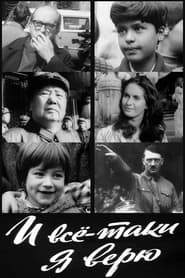
1970s2 titlesII vsyo-taki ya veryu...1974 · as Self58.3II vsyo-taki ya veryu...1974 · as Narrator58.3
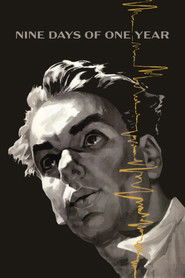
1960s2 titlesTTriumph Over Violence1965 · as Narrator62.4NNine Days of One Year1962 · as Director58.4
1950s1 titleAAdmiral Ushakov1953 · as Director58.0
1940s1 titleMMechta1943 · as Director58.1
1930s1 titleBBoule de suif1934 · as Director58.4

Browse the ranked list

you've reached the bottom
goodrecmovies
movies worth your night.

This product uses TMDB and the TMDB APIs but is not endorsed, certified, or otherwise approved by TMDB.

← back

Mikhail Romm

M
born1901
died1971
known forDirecting
titles on site7
avg GRM58.8
honors12 · Order of the October Revolution, 1971
Honors
  • 1971Order of the October Revolution
  • 1966Vasilyev Brothers State Prize of the RSFSR
  • 1961Order of the Red Banner of Labour
  • 1950People's Artist of the USSR
  • 1948State Stalin Prize, 1st degree
  • 1946Cannes Film Festival Grand Prix
  • 1946Stalin Prize, 2nd degree
  • 1940Honored art worker of the Russian Soviet Federative Socialist Republic
  • 1938Order of Lenin
  • —Medal "For Valiant Labour in the Great Patriotic War 1941–1945"
  • —Jubilee Medal "In Commemoration of the 100th Anniversary of the Birth of Vladimir Ilyich Lenin"
  • —Medal "In Commemoration of the 800th Anniversary of Moscow"
Mikhail Ilych Romm (Russian: Михаил Ильич Ромм; 24 January [O.S. 11 January] 1901 – 1 November 1971) was a Soviet film director. He was born in Irkutsk. His father was a social democrat of Jewish descent who had been exiled there. He graduated from gymnasium in 1917 and entered the Moscow College for Painting, Sculpture and Architecture. From 1918 - 1921, he served in the Red Army during the Russian civil war, first as a signalman and later rising to the rank of inspector of a Special Commission concerning the numbers of the Red Army and Fleet of the Field Staff of the Supreme Military Soviet of the Republic. As such he travelled a lot and had the opportunity to see much of the life in different parts of the country, something that he later said he "recalled with gratitude". In 1925 he graduated as a sculptor from the class of Anna Golubkina of the Highest Artistic-Technical Institute and worked as a sculptor and translator. In 1928-1930 he conducted research on the theory of cinema in the Institute for the methods of extra-scholastic work. Since 1931 he worked at the Mosfilm studio. In 1940-1943 he was an artistic leader for the Mosfilm films production. In 1942-1947 he was the director of a theater studio for movie actors. From 1938 he was a lecturer, from 1948 he was the leader of the actor's-producer department of the VGIK, professor (from 1962). He influenced many prominent film-directors, including Andrei Tarkovsky, Grigori Chukhrai, Vasily Shukshin, Nikita Mikhalkov, Georgi Daneliya, Aleksander Mitta, Igor Talankin, Rezo Chkheidze, Gleb Panfilov, Vladimir Basov, Tengiz Abuladze, Elem Klimov and many others. He wrote many books and articles on the theory of cinematographic art, and also memoirs. He was awarded the Stalin Prize 5 times (1941, 1946, 1948, 1949, 1951). Romm was an honorary corresponding member of the Academy of the skills of DDR (1967).

Filmography

ranked on this site

Browse the ranked list