
Acting

Sérgio Ricardo

1932–2020 · Acting

58.8avg grm
2titles
1honors

Honors

1
2008Order of Cultural Merit (Brazil)

Bio

João Lutfi (18 June 1932 – 23 July 2020), known professionally as Sérgio Ricardo, was a Brazilian actor, musician, playwright and filmmaker, better known for being responsible for the soundtrack of Glauber Rocha's "Deus e o Diabo na Terra do Sol" ("Black God, White Devil"). Born in a Lebanese-Brazilian family in Marília, São Paulo, and brother to famed director of photography Dib Lutfi, João got his stage name from TV businessmen who wanted to rebrand him as a leading man with an iconic name during his early gigs as an actor. He's maily associated with the Cinema Novo (Brazilian New Wave) movement, but stayed active until 2018. During the Cinema Novo days, Ricardo directed short film "Menino da Calça Branca" (1961) and "Esse Mundo É Meu" (1963), his feature-length debut. Among other notorious works in his career as a filmmaker is "A Noite do Espantalho", which shows Ricardo's talent as a polymath by mixing filmmaking with folk music and other elements of Brazilian popular culture, such as "cordel" literature. Ricardo moved to the Vidigal slum, in Rio de Janeiro, by choice in the 1970s, where he lived until his death in 2020. "Bandeira de Retalhos" (2018), his last film, was adapted by a theatre play also written by him and chronicles the life in 1970s Vidigal.
Biography

João Lutfi (18 June 1932 – 23 July 2020), known professionally as Sérgio Ricardo, was a Brazilian actor, musician, playwright and filmmaker, better known for being responsible for the soundtrack of Glauber Rocha's "Deus e o Diabo na Terra do Sol" ("Black God, White Devil"). Born in a Lebanese-Brazilian family in Marília, São Paulo, and brother to famed director of photography Dib Lutfi, João got his stage name from TV businessmen who wanted to rebrand him as a leading man with an iconic name during his early gigs as an actor. He's maily associated with the Cinema Novo (Brazilian New Wave) movement, but stayed active until 2018. During the Cinema Novo days, Ricardo directed short film "Menino da Calça Branca" (1961) and "Esse Mundo É Meu" (1963), his feature-length debut. Among other notorious works in his career as a filmmaker is "A Noite do Espantalho", which shows Ricardo's talent as a polymath by mixing filmmaking with folk music and other elements of Brazilian popular culture, such as "cordel" literature. Ricardo moved to the Vidigal slum, in Rio de Janeiro, by choice in the 1970s, where he lived until his death in 2020. "Bandeira de Retalhos" (2018), his last film, was adapted by a theatre play also written by him and chronicles the life in 1970s Vidigal.

Filmography

ranked on this site
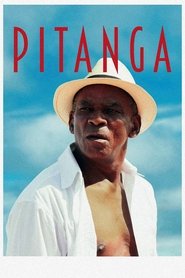
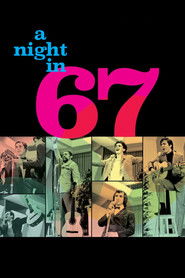
2010s2 titlesPPitanga2017 · as Self58.6UUma Noite em 672010 · as Self59.0

Browse the ranked list

you've reached the bottom
goodrecmovies
movies worth your night.

This product uses TMDB and the TMDB APIs but is not endorsed, certified, or otherwise approved by TMDB.

← back

Sérgio Ricardo

S
born1932
died2020
known forActing
titles on site2
avg GRM58.8
honors1 · Order of Cultural Merit (Brazil), 2008
Honors
  • 2008Order of Cultural Merit (Brazil)
João Lutfi (18 June 1932 – 23 July 2020), known professionally as Sérgio Ricardo, was a Brazilian actor, musician, playwright and filmmaker, better known for being responsible for the soundtrack of Glauber Rocha's "Deus e o Diabo na Terra do Sol" ("Black God, White Devil"). Born in a Lebanese-Brazilian family in Marília, São Paulo, and brother to famed director of photography Dib Lutfi, João got his stage name from TV businessmen who wanted to rebrand him as a leading man with an iconic name during his early gigs as an actor. He's maily associated with the Cinema Novo (Brazilian New Wave) movement, but stayed active until 2018. During the Cinema Novo days, Ricardo directed short film "Menino da Calça Branca" (1961) and "Esse Mundo É Meu" (1963), his feature-length debut. Among other notorious works in his career as a filmmaker is "A Noite do Espantalho", which shows Ricardo's talent as a polymath by mixing filmmaking with folk music and other elements of Brazilian popular culture, such as "cordel" literature. Ricardo moved to the Vidigal slum, in Rio de Janeiro, by choice in the 1970s, where he lived until his death in 2020. "Bandeira de Retalhos" (2018), his last film, was adapted by a theatre play also written by him and chronicles the life in 1970s Vidigal.

Filmography

ranked on this site

Browse the ranked list