Acting

Notis Peryalis

1920–2009 · Acting

59.5avg grm
4titles

Bio

Notis Pergialis (Greek: Νότης Περγιάλης) (16 August 1920 - 10 November 2009) was a Greek writer, actor, director and lyricist. He appeared in more than thirty films from 1953 to 1983. Until his death, he staged theatrical performances with an amateur group at Agioi Theodoroi. He was born in Anogia, Laconia. His real name was Georgios Nikolopoulos (Greek: Γεώργιος Νικολόπουλος). He studied at the theatrical school founded by Vassilis Rotas. Since 1949 he has worked as an actor and writer in theater, cinema and radio. However, he emerged more as an actor in cinema and television, playing characteristic roles. He wrote many plays, such as "Pain Gives Birth to Gods", which was awarded the prize of the Kalokairinios competition, "Sunborn" and "The Girl with the Ribbon", "Song in Messolonghi" (directed by Pelos Katselis as part of the Messolonghi festivities in 1957), "Eichmann and the Parrot" (1971),"Golden Pill" and "Antigone of the Occupation" (People's Theatre Manos Katrakis 1954, 1958 and 1960 respectively), "Masks for Angels" (Elsa Vergi Company 1959), "Crazy Moon" (Arma Theatre 1965), "This Tree Wasn't Called Patience" (Hatziskos Nikiforakis Company 1974-5) etc. He is the lyricist of the very famous song Let's take a walk to the moon, the music of which was written by Manos Hadjidakis. He is also the lyricist of the songs O leventis, Ti na tina konou ti khara, To bloko tis Kaisariani, composed by Mikis Theodorakis, of the song Gremismena ssypto with music by Yannis Markopoulos, Nyfiatiko strogo etc. He wrote the script and participated as narrator in the television series Christ Recrucified (1975) (television adaptation of the novel the same name written by Nikos Kazantzakis) directed by Vasilis Georgiadis. Author of the book "When the Trees Rise" (novel 1971), "Atar Never Dies" (1971), "The Red Bird". Also the plays "Chekhov's Neighborhood" (1976) (National Theatre - New Stage - December 1976 - Direction: Dinos Dimopoulos), "Magic City" (1963) (Musical review in collaboration with Iakovos Kambanellis and music by Mikis Theodorakis), "Open the Door" (1986) and the radio play "The Horse of Thanasis" (recorded in 1954 and directed by Nikos Gatsos in which he also participates as an actor). He also wrote the screenplays-adaptations for the radio sketch plays "Lambros and Maria" (1954) (Manolis Skouloudis) and "O Astrapogiannos" (1954) (Aristotles Valaoritis), the musical score of which was made by Mikis Theodorakis. He also played in the radio play by Pavlos Nirvanas "Maria the Pentagiotissa" (adaptation by Mary Veaki, directed by Mitsos Lygizos and recorded in 1958). His works have been translated into English, French, German and Danish languages. He made his debut in Lemos Troupe (1950), at the "Dionysia" Theater in Kallithea. He was said to have been inspired by romanticism and symbolism, as well as by Federico García Lorca. He drew themes from the lives of ordinary people, which he described with sensitivity and humanity. He was a regular member of the Society of Greek Playwrights, the Society of Greek Writers, the International Theater Center and the Greek Actors' Union, whose activities he has helped. He has been honored with the Gold Medal of the Holy City of Messolonghi, the Newspaper Critics Award at the Thessaloniki Festival. He was a permanent resident of Nea Smyrni, Athens. (Source: Wikipedia)

Biography

Notis Pergialis (Greek: Νότης Περγιάλης) (16 August 1920 - 10 November 2009) was a Greek writer, actor, director and lyricist. He appeared in more than thirty films from 1953 to 1983. Until his death, he staged theatrical performances with an amateur group at Agioi Theodoroi. He was born in Anogia, Laconia. His real name was Georgios Nikolopoulos (Greek: Γεώργιος Νικολόπουλος). He studied at the theatrical school founded by Vassilis Rotas. Since 1949 he has worked as an actor and writer in theater, cinema and radio. However, he emerged more as an actor in cinema and television, playing characteristic roles. He wrote many plays, such as "Pain Gives Birth to Gods", which was awarded the prize of the Kalokairinios competition, "Sunborn" and "The Girl with the Ribbon", "Song in Messolonghi" (directed by Pelos Katselis as part of the Messolonghi festivities in 1957), "Eichmann and the Parrot" (1971),"Golden Pill" and "Antigone of the Occupation" (People's Theatre Manos Katrakis 1954, 1958 and 1960 respectively), "Masks for Angels" (Elsa Vergi Company 1959), "Crazy Moon" (Arma Theatre 1965), "This Tree Wasn't Called Patience" (Hatziskos Nikiforakis Company 1974-5) etc. He is the lyricist of the very famous song Let's take a walk to the moon, the music of which was written by Manos Hadjidakis. He is also the lyricist of the songs O leventis, Ti na tina konou ti khara, To bloko tis Kaisariani, composed by Mikis Theodorakis, of the song Gremismena ssypto with music by Yannis Markopoulos, Nyfiatiko strogo etc. He wrote the script and participated as narrator in the television series Christ Recrucified (1975) (television adaptation of the novel the same name written by Nikos Kazantzakis) directed by Vasilis Georgiadis. Author of the book "When the Trees Rise" (novel 1971), "Atar Never Dies" (1971), "The Red Bird". Also the plays "Chekhov's Neighborhood" (1976) (National Theatre - New Stage - December 1976 - Direction: Dinos Dimopoulos), "Magic City" (1963) (Musical review in collaboration with Iakovos Kambanellis and music by Mikis Theodorakis), "Open the Door" (1986) and the radio play "The Horse of Thanasis" (recorded in 1954 and directed by Nikos Gatsos in which he also participates as an actor). He also wrote the screenplays-adaptations for the radio sketch plays "Lambros and Maria" (1954) (Manolis Skouloudis) and "O Astrapogiannos" (1954) (Aristotles Valaoritis), the musical score of which was made by Mikis Theodorakis. He also played in the radio play by Pavlos Nirvanas "Maria the Pentagiotissa" (adaptation by Mary Veaki, directed by Mitsos Lygizos and recorded in 1958). His works have been translated into English, French, German and Danish languages. He made his debut in Lemos Troupe (1950), at the "Dionysia" Theater in Kallithea. He was said to have been inspired by romanticism and symbolism, as well as by Federico García Lorca. He drew themes from the lives of ordinary people, which he described with sensitivity and humanity. He was a regular member of the Society of Greek Playwrights, the Society of Greek Writers, the International Theater Center and the Greek Actors' Union, whose activities he has helped. He has been honored with the Gold Medal of the Holy City of Messolonghi, the Newspaper Critics Award at the Thessaloniki Festival. He was a permanent resident of Nea Smyrni, Athens. (Source: Wikipedia)

Filmography

ranked on this site
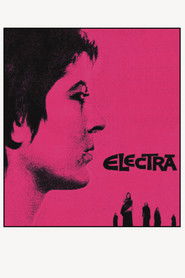
1960s3 titlesBBlood on the Land1965 · as Marinos Antypas58.4RThe Red Lanterns1963 · as Old Man62.3EElectra1962 · as Elektra's Husband58.3
1950s1 titleAA Girl in Black1956 · as Antonis59.3

Browse the ranked list

you've reached the bottom
goodrecmovies
movies worth your night.

This product uses TMDB and the TMDB APIs but is not endorsed, certified, or otherwise approved by TMDB.

← back

Notis Peryalis

N
born1920
died2009
known forActing
titles on site4
avg GRM59.5
Notis Pergialis (Greek: Νότης Περγιάλης) (16 August 1920 - 10 November 2009) was a Greek writer, actor, director and lyricist. He appeared in more than thirty films from 1953 to 1983. Until his death, he staged theatrical performances with an amateur group at Agioi Theodoroi. He was born in Anogia, Laconia. His real name was Georgios Nikolopoulos (Greek: Γεώργιος Νικολόπουλος). He studied at the theatrical school founded by Vassilis Rotas. Since 1949 he has worked as an actor and writer in theater, cinema and radio. However, he emerged more as an actor in cinema and television, playing characteristic roles. He wrote many plays, such as "Pain Gives Birth to Gods", which was awarded the prize of the Kalokairinios competition, "Sunborn" and "The Girl with the Ribbon", "Song in Messolonghi" (directed by Pelos Katselis as part of the Messolonghi festivities in 1957), "Eichmann and the Parrot" (1971),"Golden Pill" and "Antigone of the Occupation" (People's Theatre Manos Katrakis 1954, 1958 and 1960 respectively), "Masks for Angels" (Elsa Vergi Company 1959), "Crazy Moon" (Arma Theatre 1965), "This Tree Wasn't Called Patience" (Hatziskos Nikiforakis Company 1974-5) etc. He is the lyricist of the very famous song Let's take a walk to the moon, the music of which was written by Manos Hadjidakis. He is also the lyricist of the songs O leventis, Ti na tina konou ti khara, To bloko tis Kaisariani, composed by Mikis Theodorakis, of the song Gremismena ssypto with music by Yannis Markopoulos, Nyfiatiko strogo etc. He wrote the script and participated as narrator in the television series Christ Recrucified (1975) (television adaptation of the novel the same name written by Nikos Kazantzakis) directed by Vasilis Georgiadis. Author of the book "When the Trees Rise" (novel 1971), "Atar Never Dies" (1971), "The Red Bird". Also the plays "Chekhov's Neighborhood" (1976) (National Theatre - New Stage - December 1976 - Direction: Dinos Dimopoulos), "Magic City" (1963) (Musical review in collaboration with Iakovos Kambanellis and music by Mikis Theodorakis), "Open the Door" (1986) and the radio play "The Horse of Thanasis" (recorded in 1954 and directed by Nikos Gatsos in which he also participates as an actor). He also wrote the screenplays-adaptations for the radio sketch plays "Lambros and Maria" (1954) (Manolis Skouloudis) and "O Astrapogiannos" (1954) (Aristotles Valaoritis), the musical score of which was made by Mikis Theodorakis. He also played in the radio play by Pavlos Nirvanas "Maria the Pentagiotissa" (adaptation by Mary Veaki, directed by Mitsos Lygizos and recorded in 1958). His works have been translated into English, French, German and Danish languages. He made his debut in Lemos Troupe (1950), at the "Dionysia" Theater in Kallithea. He was said to have been inspired by romanticism and symbolism, as well as by Federico García Lorca. He drew themes from the lives of ordinary people, which he described with sensitivity and humanity. He was a regular member of the Society of Greek Playwrights, the Society of Greek Writers, the International Theater Center and the Greek Actors' Union, whose activities he has helped. He has been honored with the Gold Medal of the Holy City of Messolonghi, the Newspaper Critics Award at the Thessaloniki Festival. He was a permanent resident of Nea Smyrni, Athens. (Source: Wikipedia)

Filmography

ranked on this site

Browse the ranked list