
Writing

Alberto Moravia

1907–1990 · Writing

58.3avg grm
2titles
4honors

Honors

4
1983Viareggio-Versilia International Prize
1961Viareggio Prize
1954Marzotto Prize
1952Strega Prize

Bio

From Wikipedia, the free encyclopedia Alberto Moravia (Italian pronunciation: [alˈbɛrto moˈraːvja]; November 28, 1907 – September 26, 1990), born Alberto Pincherle, was an Italian novelist and journalist. His novels explored matters of modern sexuality, social alienation and existentialism. Moravia is best known for his debut novel Gli indifferenti (1929) and for the anti-fascist novel Il Conformista (The Conformist), the basis for the film The Conformist (1970) directed by Bernardo Bertolucci. Other novels of his adapted for the cinema are Agostino, filmed with the same title by Mauro Bolognini in 1962; Il disprezzo (A Ghost at Noon or Contempt), filmed by Jean-Luc Godard as Le Mépris (Contempt 1963); La Noia (Boredom), filmed with that title by Damiano Damiani in 1963 and released in the US as The Empty Canvas in 1964 and La ciociara, filmed by Vittorio de Sica as Two Women (1960). Cedric Kahn's L'Ennui (1998) is another version of La Noia.

Biography

From Wikipedia, the free encyclopedia Alberto Moravia (Italian pronunciation: [alˈbɛrto moˈraːvja]; November 28, 1907 – September 26, 1990), born Alberto Pincherle, was an Italian novelist and journalist. His novels explored matters of modern sexuality, social alienation and existentialism. Moravia is best known for his debut novel Gli indifferenti (1929) and for the anti-fascist novel Il Conformista (The Conformist), the basis for the film The Conformist (1970) directed by Bernardo Bertolucci. Other novels of his adapted for the cinema are Agostino, filmed with the same title by Mauro Bolognini in 1962; Il disprezzo (A Ghost at Noon or Contempt), filmed by Jean-Luc Godard as Le Mépris (Contempt 1963); La Noia (Boredom), filmed with that title by Damiano Damiani in 1963 and released in the US as The Empty Canvas in 1964 and La ciociara, filmed by Vittorio de Sica as Two Women (1960). Cedric Kahn's L'Ennui (1998) is another version of La Noia.

Filmography

ranked on this site
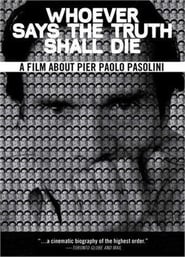
1980s1 titleWWie de waarheid zegt moet dood1981 · as Self - writer58.4
1960s1 titleLLove Meetings1964 · as Self - Writer58.2

Browse the ranked list

you've reached the bottom
goodrecmovies
movies worth your night.

This product uses TMDB and the TMDB APIs but is not endorsed, certified, or otherwise approved by TMDB.

← back

Alberto Moravia

A
born1907
died1990
known forWriting
titles on site2
avg GRM58.3
honors4 · Viareggio-Versilia International Prize, 1983
Honors
  • 1983Viareggio-Versilia International Prize
  • 1961Viareggio Prize
  • 1954Marzotto Prize
  • 1952Strega Prize
From Wikipedia, the free encyclopedia Alberto Moravia (Italian pronunciation: [alˈbɛrto moˈraːvja]; November 28, 1907 – September 26, 1990), born Alberto Pincherle, was an Italian novelist and journalist. His novels explored matters of modern sexuality, social alienation and existentialism. Moravia is best known for his debut novel Gli indifferenti (1929) and for the anti-fascist novel Il Conformista (The Conformist), the basis for the film The Conformist (1970) directed by Bernardo Bertolucci. Other novels of his adapted for the cinema are Agostino, filmed with the same title by Mauro Bolognini in 1962; Il disprezzo (A Ghost at Noon or Contempt), filmed by Jean-Luc Godard as Le Mépris (Contempt 1963); La Noia (Boredom), filmed with that title by Damiano Damiani in 1963 and released in the US as The Empty Canvas in 1964 and La ciociara, filmed by Vittorio de Sica as Two Women (1960). Cedric Kahn's L'Ennui (1998) is another version of La Noia.

Filmography

ranked on this site

Browse the ranked list