Acting

Frédéric Mitterrand

1947–2024 · Acting

61.0avg grm
2titles
11honors

Honors

11
2023Officer of the Legion of Honour
2014Prix du livre politique
2009Commandeur des Arts et des Lettres
2005Le Vaudeville prize
1997Q137584604
Honors
  • 2023Officer of the Legion of Honour
  • 2014Prix du livre politique
  • 2009Commandeur des Arts et des Lettres
  • 2005Le Vaudeville prize
  • 1997Q137584604
  • 1996Knight of the Legion of Honour
  • 19867 d'Or
  • —Order of Friendship
  • —Roland Dorgelès Award
  • —Officer of the National Order of Merit
  • —Officer of Arts and Letters

Bio

Frédéric Mitterrand (21 August 1947 – 21 March 2024) was a French actor, screenwriter, producer, and politician who served as Minister of Culture and Communication of France from 2009 to 2012 under President Nicolas Sarkozy. Born in Paris, he was the nephew of François Mitterrand (1916–1996), who was the president of France from 1981 to 1995, and the son of engineer Robert Mitterrand (1915–2002) and Édith Cahier, the niece of Eugène Deloncle, the co-founder of "La Cagoule". Owing to his family heritage, Mitterrand acquired Tunisian citizenship in 1995. He was openly bisexual. Mitterrand attended the Lycée Janson de Sailly in Paris and studied history and geography at the Paris West University Nanterre La Défense, and political science at Sciences Po. He taught economics, history, and geography at EABJM from 1968 to 1971. In 1978, he was a film critic at J'informe. From 1971 to 1986, he ran several art film cinemas in Paris (Olympic Palace, Entrepôt, and Olympic-Entrepôt). He also had roles in a number of films, and in the 1980s was active as a producer and director in TV productions.[citation needed] Mitterrand also penned a monthly column for Têtu. In June 2008, Mitterrand was appointed the director of the French Academy in Rome by President Nicolas Sarkozy, and was appointed to the French government a year later as the Minister of Culture and Communications, a role he would hold for the remainder of Sarkozy's time in office. Mitterrand's novel The Bad Life (French: La mauvaise vie), which mixed autobiographical and fictionalised elements, was the source of significant controversy. In the book he detailed his "delight" whilst visiting the male brothels of Bangkok, and wrote ..."I got into the habit of paying for boys ... The profusion of young, very attractive and immediately available boys put me in a state of desire I no longer needed to restrain or hide." Mitterrand's writings were applauded for their honesty at time of release, but resurfaced in a different light four years later following his defence of Roman Polanski, who had been detained in Switzerland and awaiting extradition to face American charges for sexually abusing a minor. On 5 October 2009, Marine Le Pen quoted sections of the book on French television, accusing him of having sex with underage boys and engaging in "sex tourism", demanding that Mitterrand resign from the government. He was also criticised by then-Socialist Party spokesman Benoît Hamon, who stated that "as a minister of culture, he has drawn attention to himself by defending [Polanski], and he has written a book where he said he took advantage of sexual tourism. To say the least, I find it shocking." On the other hand, he received support from a close aide to Nicolas Sarkozy who said the French President backed his Culture Minister, describing the controversy around him as "pathetic". ... Source: Article "Frédéric Mitterrand" from Wikipedia in English, licensed under CC-BY-SA.

Biography

Frédéric Mitterrand (21 August 1947 – 21 March 2024) was a French actor, screenwriter, producer, and politician who served as Minister of Culture and Communication of France from 2009 to 2012 under President Nicolas Sarkozy. Born in Paris, he was the nephew of François Mitterrand (1916–1996), who was the president of France from 1981 to 1995, and the son of engineer Robert Mitterrand (1915–2002) and Édith Cahier, the niece of Eugène Deloncle, the co-founder of "La Cagoule". Owing to his family heritage, Mitterrand acquired Tunisian citizenship in 1995. He was openly bisexual. Mitterrand attended the Lycée Janson de Sailly in Paris and studied history and geography at the Paris West University Nanterre La Défense, and political science at Sciences Po. He taught economics, history, and geography at EABJM from 1968 to 1971. In 1978, he was a film critic at J'informe. From 1971 to 1986, he ran several art film cinemas in Paris (Olympic Palace, Entrepôt, and Olympic-Entrepôt). He also had roles in a number of films, and in the 1980s was active as a producer and director in TV productions.[citation needed] Mitterrand also penned a monthly column for Têtu. In June 2008, Mitterrand was appointed the director of the French Academy in Rome by President Nicolas Sarkozy, and was appointed to the French government a year later as the Minister of Culture and Communications, a role he would hold for the remainder of Sarkozy's time in office. Mitterrand's novel The Bad Life (French: La mauvaise vie), which mixed autobiographical and fictionalised elements, was the source of significant controversy. In the book he detailed his "delight" whilst visiting the male brothels of Bangkok, and wrote ..."I got into the habit of paying for boys ... The profusion of young, very attractive and immediately available boys put me in a state of desire I no longer needed to restrain or hide." Mitterrand's writings were applauded for their honesty at time of release, but resurfaced in a different light four years later following his defence of Roman Polanski, who had been detained in Switzerland and awaiting extradition to face American charges for sexually abusing a minor. On 5 October 2009, Marine Le Pen quoted sections of the book on French television, accusing him of having sex with underage boys and engaging in "sex tourism", demanding that Mitterrand resign from the government. He was also criticised by then-Socialist Party spokesman Benoît Hamon, who stated that "as a minister of culture, he has drawn attention to himself by defending [Polanski], and he has written a book where he said he took advantage of sexual tourism. To say the least, I find it shocking." On the other hand, he received support from a close aide to Nicolas Sarkozy who said the French President backed his Culture Minister, describing the controversy around him as "pathetic". ... Source: Article "Frédéric Mitterrand" from Wikipedia in English, licensed under CC-BY-SA.

Filmography

ranked on this site
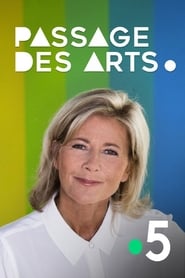
2010s1 titlePPassage des arts2018 · as Director · series64.0
1960s1 titleFFortunate1960 · as Maurice Valcourt57.9

Browse the ranked list

you've reached the bottom
goodrecmovies
movies worth your night.

This product uses TMDB and the TMDB APIs but is not endorsed, certified, or otherwise approved by TMDB.

← back

Frédéric Mitterrand

F
born1947
died2024
known forActing
titles on site2
avg GRM61.0
honors11 · Officer of the Legion of Honour, 2023
Honors
  • 2023Officer of the Legion of Honour
  • 2014Prix du livre politique
  • 2009Commandeur des Arts et des Lettres
  • 2005Le Vaudeville prize
  • 1997Q137584604
  • 1996Knight of the Legion of Honour
  • 19867 d'Or
  • —Order of Friendship
  • —Roland Dorgelès Award
  • —Officer of the National Order of Merit
  • —Officer of Arts and Letters
Frédéric Mitterrand (21 August 1947 – 21 March 2024) was a French actor, screenwriter, producer, and politician who served as Minister of Culture and Communication of France from 2009 to 2012 under President Nicolas Sarkozy. Born in Paris, he was the nephew of François Mitterrand (1916–1996), who was the president of France from 1981 to 1995, and the son of engineer Robert Mitterrand (1915–2002) and Édith Cahier, the niece of Eugène Deloncle, the co-founder of "La Cagoule". Owing to his family heritage, Mitterrand acquired Tunisian citizenship in 1995. He was openly bisexual. Mitterrand attended the Lycée Janson de Sailly in Paris and studied history and geography at the Paris West University Nanterre La Défense, and political science at Sciences Po. He taught economics, history, and geography at EABJM from 1968 to 1971. In 1978, he was a film critic at J'informe. From 1971 to 1986, he ran several art film cinemas in Paris (Olympic Palace, Entrepôt, and Olympic-Entrepôt). He also had roles in a number of films, and in the 1980s was active as a producer and director in TV productions.[citation needed] Mitterrand also penned a monthly column for Têtu. In June 2008, Mitterrand was appointed the director of the French Academy in Rome by President Nicolas Sarkozy, and was appointed to the French government a year later as the Minister of Culture and Communications, a role he would hold for the remainder of Sarkozy's time in office. Mitterrand's novel The Bad Life (French: La mauvaise vie), which mixed autobiographical and fictionalised elements, was the source of significant controversy. In the book he detailed his "delight" whilst visiting the male brothels of Bangkok, and wrote ..."I got into the habit of paying for boys ... The profusion of young, very attractive and immediately available boys put me in a state of desire I no longer needed to restrain or hide." Mitterrand's writings were applauded for their honesty at time of release, but resurfaced in a different light four years later following his defence of Roman Polanski, who had been detained in Switzerland and awaiting extradition to face American charges for sexually abusing a minor. On 5 October 2009, Marine Le Pen quoted sections of the book on French television, accusing him of having sex with underage boys and engaging in "sex tourism", demanding that Mitterrand resign from the government. He was also criticised by then-Socialist Party spokesman Benoît Hamon, who stated that "as a minister of culture, he has drawn attention to himself by defending [Polanski], and he has written a book where he said he took advantage of sexual tourism. To say the least, I find it shocking." On the other hand, he received support from a close aide to Nicolas Sarkozy who said the French President backed his Culture Minister, describing the controversy around him as "pathetic". ... Source: Article "Frédéric Mitterrand" from Wikipedia in English, licensed under CC-BY-SA.

Filmography

ranked on this site

Browse the ranked list