Directing

Kote Mikaberidze

1896–1973 · Directing

58.8avg grm
2titles

Bio

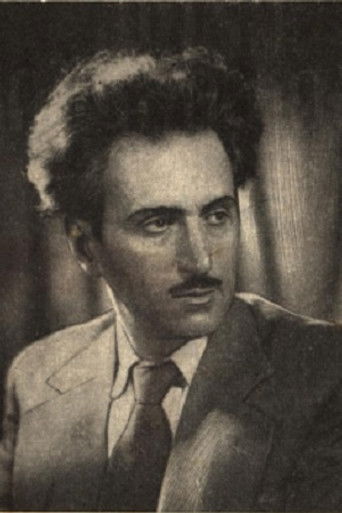
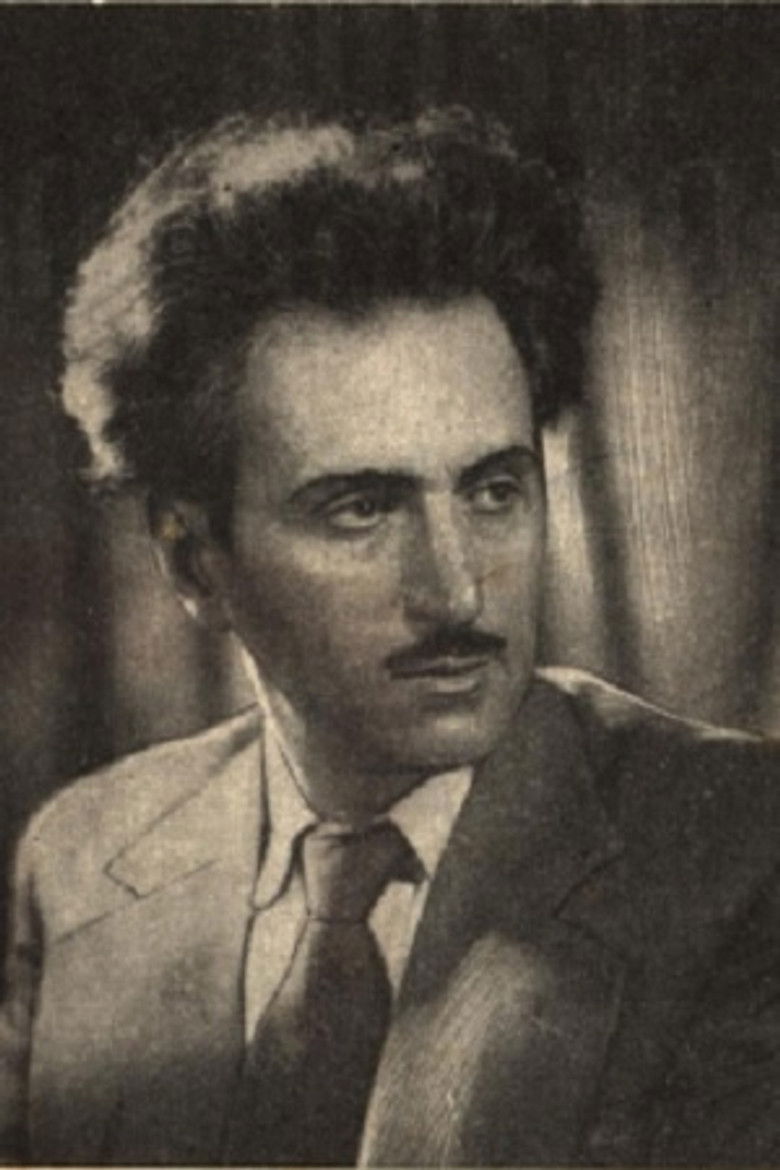
Film director, scriptwriter, actor, painter and dubbing director. From 1918, he worked as an actor at the Kutaisi and Batumi theaters, moving to Tbilisi drama studio in the 1920s. He started to act in films from 1921. His first screenplay RTVELI (The Harvest), based on Dziga Vertov’s “Kino-Eye” concept, was submitted to Tbilisi film studio in 1928, but was never produced. In 1929, he made a silent film CHEMI BEBIA (My Grandmother, 1929), satire on bureaucracy, which considered as a central to the Georgian avant-garde movement and was banned by the Soviet regime for 40 years (until 1976). Mikaberidze directed seven more films of various styles, forms and aesthetics, including a short documentary, a cartoon and several feature films. He was the first film director to adapt an episode of the 12th century Georgian epic Vepkhistqaosani (The Knight in the Panther’s Skin) that resulted in the 1936 film Kajeti. Mikaberidze’s film directing career ended in 1957, when he was sentenced to two years in prison for anti-Soviet activates/statements and criticism of the film administration. After his repression, he would never direct the films again, after his release from a labor camp, he worked as a dubbing director at the Tbilisi film studio, producing the Georgian language versions of up to 50 films per year.

Biography

Film director, scriptwriter, actor, painter and dubbing director. From 1918, he worked as an actor at the Kutaisi and Batumi theaters, moving to Tbilisi drama studio in the 1920s. He started to act in films from 1921. His first screenplay RTVELI (The Harvest), based on Dziga Vertov’s “Kino-Eye” concept, was submitted to Tbilisi film studio in 1928, but was never produced. In 1929, he made a silent film CHEMI BEBIA (My Grandmother, 1929), satire on bureaucracy, which considered as a central to the Georgian avant-garde movement and was banned by the Soviet regime for 40 years (until 1976). Mikaberidze directed seven more films of various styles, forms and aesthetics, including a short documentary, a cartoon and several feature films. He was the first film director to adapt an episode of the 12th century Georgian epic Vepkhistqaosani (The Knight in the Panther’s Skin) that resulted in the 1936 film Kajeti. Mikaberidze’s film directing career ended in 1957, when he was sentenced to two years in prison for anti-Soviet activates/statements and criticism of the film administration. After his repression, he would never direct the films again, after his release from a labor camp, he worked as a dubbing director at the Tbilisi film studio, producing the Georgian language versions of up to 50 films per year.

Filmography

ranked on this site
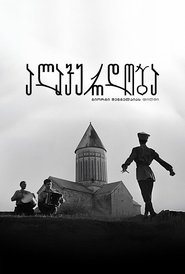
1960s1 titleAAlaverdoba196258.9
1920s1 titleMMy Grandmother1929 · as Director58.8

Browse the ranked list

you've reached the bottom
goodrecmovies
movies worth your night.

This product uses TMDB and the TMDB APIs but is not endorsed, certified, or otherwise approved by TMDB.

← back

Kote Mikaberidze

K
born1896
died1973
known forDirecting
titles on site2
avg GRM58.8
Film director, scriptwriter, actor, painter and dubbing director. From 1918, he worked as an actor at the Kutaisi and Batumi theaters, moving to Tbilisi drama studio in the 1920s. He started to act in films from 1921. His first screenplay RTVELI (The Harvest), based on Dziga Vertov’s “Kino-Eye” concept, was submitted to Tbilisi film studio in 1928, but was never produced. In 1929, he made a silent film CHEMI BEBIA (My Grandmother, 1929), satire on bureaucracy, which considered as a central to the Georgian avant-garde movement and was banned by the Soviet regime for 40 years (until 1976). Mikaberidze directed seven more films of various styles, forms and aesthetics, including a short documentary, a cartoon and several feature films. He was the first film director to adapt an episode of the 12th century Georgian epic Vepkhistqaosani (The Knight in the Panther’s Skin) that resulted in the 1936 film Kajeti. Mikaberidze’s film directing career ended in 1957, when he was sentenced to two years in prison for anti-Soviet activates/statements and criticism of the film administration. After his repression, he would never direct the films again, after his release from a labor camp, he worked as a dubbing director at the Tbilisi film studio, producing the Georgian language versions of up to 50 films per year.

Filmography

ranked on this site

Browse the ranked list