
Acting

George McGovern

1922–2012 · Acting

58.9avg grm
1title
6honors

Honors

6
2008World Food Prize
2000Presidential Medal of Freedom
1991Gandhi Peace Award
—Air Medal
—Distinguished Flying Cross
Honors
  • 2008World Food Prize
  • 2000Presidential Medal of Freedom
  • 1991Gandhi Peace Award
  • —Air Medal
  • —Distinguished Flying Cross
  • —Four Freedoms Award – Freedom from Want

Bio

George Stanley McGovern was an American politician, historian, U.S. representative, U.S. senator, and the Democratic Party presidential nominee in the 1972 presidential election. McGovern grew up in Mitchell, South Dakota, where he was a renowned debater. He became most known for his outspoken opposition to the growing U.S. involvement in the Vietnam War. He staged a brief nomination run in the 1968 presidential election as a stand-in for the assassinated Robert F. Kennedy. McGovern's long-shot, grassroots-based 1972 presidential campaign found triumph in gaining the Democratic nomination but left the party badly split ideologically, and the failed vice-presidential pick of Thomas Eagleton undermined McGovern's credibility. In the general election McGovern lost to incumbent Richard Nixon in one of the biggest landslides in U.S. electoral history. Though re-elected to the Senate in 1968 and 1974, McGovern was defeated in his bid for a fourth term in 1980. As the first director of the Food for Peace program in 1961, McGovern oversaw the distribution of U.S. surpluses to the needy abroad and was instrumental in the creation of the United Nations-run World Food Programme. As sole chairman of the Senate Select Committee on Nutrition and Human Needs from 1968 to 1977, McGovern publicized the problem of hunger within the United States and issued the "McGovern Report", which led to a new set of nutritional guidelines for Americans.
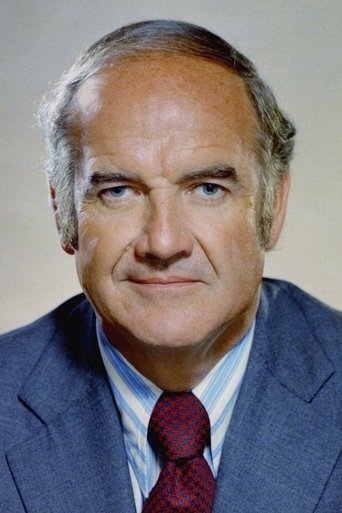
Biography

George Stanley McGovern was an American politician, historian, U.S. representative, U.S. senator, and the Democratic Party presidential nominee in the 1972 presidential election. McGovern grew up in Mitchell, South Dakota, where he was a renowned debater. He became most known for his outspoken opposition to the growing U.S. involvement in the Vietnam War. He staged a brief nomination run in the 1968 presidential election as a stand-in for the assassinated Robert F. Kennedy. McGovern's long-shot, grassroots-based 1972 presidential campaign found triumph in gaining the Democratic nomination but left the party badly split ideologically, and the failed vice-presidential pick of Thomas Eagleton undermined McGovern's credibility. In the general election McGovern lost to incumbent Richard Nixon in one of the biggest landslides in U.S. electoral history. Though re-elected to the Senate in 1968 and 1974, McGovern was defeated in his bid for a fourth term in 1980. As the first director of the Food for Peace program in 1961, McGovern oversaw the distribution of U.S. surpluses to the needy abroad and was instrumental in the creation of the United Nations-run World Food Programme. As sole chairman of the Senate Select Committee on Nutrition and Human Needs from 1968 to 1977, McGovern publicized the problem of hunger within the United States and issued the "McGovern Report", which led to a new set of nutritional guidelines for Americans.

Filmography

ranked on this site
2000s1 titleLThe Lost Son of Havana2009 · as Self58.9

Browse the ranked list

you've reached the bottom
goodrecmovies
movies worth your night.

This product uses TMDB and the TMDB APIs but is not endorsed, certified, or otherwise approved by TMDB.

← back

George McGovern

G
born1922
died2012
known forActing
titles on site1
avg GRM58.9
honors6 · World Food Prize, 2008
Honors
  • 2008World Food Prize
  • 2000Presidential Medal of Freedom
  • 1991Gandhi Peace Award
  • —Air Medal
  • —Distinguished Flying Cross
  • —Four Freedoms Award – Freedom from Want
George Stanley McGovern was an American politician, historian, U.S. representative, U.S. senator, and the Democratic Party presidential nominee in the 1972 presidential election. McGovern grew up in Mitchell, South Dakota, where he was a renowned debater. He became most known for his outspoken opposition to the growing U.S. involvement in the Vietnam War. He staged a brief nomination run in the 1968 presidential election as a stand-in for the assassinated Robert F. Kennedy. McGovern's long-shot, grassroots-based 1972 presidential campaign found triumph in gaining the Democratic nomination but left the party badly split ideologically, and the failed vice-presidential pick of Thomas Eagleton undermined McGovern's credibility. In the general election McGovern lost to incumbent Richard Nixon in one of the biggest landslides in U.S. electoral history. Though re-elected to the Senate in 1968 and 1974, McGovern was defeated in his bid for a fourth term in 1980. As the first director of the Food for Peace program in 1961, McGovern oversaw the distribution of U.S. surpluses to the needy abroad and was instrumental in the creation of the United Nations-run World Food Programme. As sole chairman of the Senate Select Committee on Nutrition and Human Needs from 1968 to 1977, McGovern publicized the problem of hunger within the United States and issued the "McGovern Report", which led to a new set of nutritional guidelines for Americans.

Filmography

ranked on this site

Browse the ranked list