Acting

Jean Martin

1922–2009 · Acting

67.1avg grm
4titles
#104best rank
Bbest title · #104 on siteThe Battle of Algiers1966 · as Col. Mathieu81.5

Bio

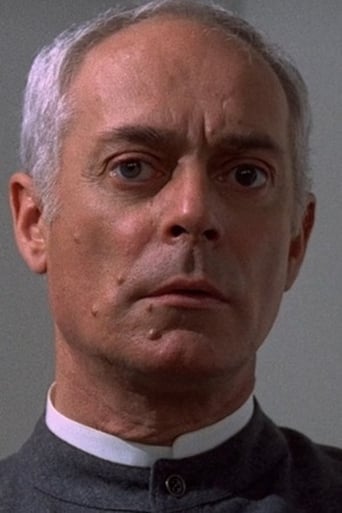
Jean Martin (6 March 1922 - 2 February 2009) was a French actor. Coming from a Berry family, he spent part of his childhood in Biarritz, where his father worked for a furrier. During the Second World War, he hid to escape the Forced Labor Service. Staying in Paris, he appeared in two films by Maurice Tourneur: "The Devil's Hand" (1942) then "Cécile Est Mort" (1943). At the twilight of the forties, he started doing theater. In 1953, Jean Martin gained notoriety by playing the new play by Irish playwright Samuel Beckett, "Waiting for Godot", under the direction of Roger Blin, becoming the first to take on the role of Lucky. The same Roger Blin produced “End of the Game” (1957), by the same Beckett, a few years later, and entrusted the same Jean Martin with the role of Clov. In 1960, Jean Martin staged his first play, “Letter Dead”, by Robert Pinget. In 1962, he again staged a play, “The Representatives”, by Aglaé and Mona Mitropoulos, adapted by Michel Arnaud. Alongside this theatrical career which would prove to be rich, Jean Martin returned to cinema: “Notre-Dame de Paris” (1956), by Jean Delannoy, “Paris belongs to us” (1958), by Jacques Rivette, “Ballade for a thug " (1962), by Jean-Claude Bonnardot, "La foire aux dunces" (1963), by Louis Daquin and "À toi de fait mignon" (1963), by Bernard Borderie. In 1960, he was a signatory of the Manifesto of the 121 entitled “Declaration on the right to insubordination in the Algerian war”. In 1965, a role marked his career, that of Colonel Mathieu, in a film retracing the struggle in 1957 for control of the Casbah district of Algiers between FLN militants and French soldiers: "The Battle of Algiers" . Three years after the end of the Algerian War, the subject is still sensitive on each side of the Mediterranean; the film was banned in France upon its release, then censored until 2004. Jean Martin, very convincing in this role of division commander (historically, the commander is General Massu, but the character is inspired by Colonel Bigeard), is the only professional actor in the film. His large stature, his strong personality and his imperious face predispose him to notable roles generally showing authority: chief doctor, police commissioner, high-ranking military officer, ecclesiastical dignitary...; one of the most impressive will undoubtedly be that of a doctor vehemently expelling from his hospital a judge Fayard, Patrick Dewaere, a bit of a cavalier in "Le Juge Fayard Dit Le Shérif" (1976). Claude Zidi mocks these roles in his comedies: principal in “La moutarde monte au nose” (1974), bank director in “La Course À L'Échalote” (1975), chief doctor in “L'aile ou la thigh” (1976), principal inspector in “Bête mais disciplined” (1979) and examiner in “Inspecteur la Bavure” (1980). Alongside Jean-Paul Belmondo, he is… cardinal in “L’Hériter” (1972) and… divisional commissioner in “Peur Sur La ville” (1975)! But also alongside Terence Hill in “My Name is Nobody” (1973) in the role of Sullivan, or “One Genius, Two Associates, One Bell (1975). After devoting a large part of his career to the theater, appearing in around fifty films, Jean Martin died on February 2, 2009, in Paris.

Biography

Jean Martin (6 March 1922 - 2 February 2009) was a French actor. Coming from a Berry family, he spent part of his childhood in Biarritz, where his father worked for a furrier. During the Second World War, he hid to escape the Forced Labor Service. Staying in Paris, he appeared in two films by Maurice Tourneur: "The Devil's Hand" (1942) then "Cécile Est Mort" (1943). At the twilight of the forties, he started doing theater. In 1953, Jean Martin gained notoriety by playing the new play by Irish playwright Samuel Beckett, "Waiting for Godot", under the direction of Roger Blin, becoming the first to take on the role of Lucky. The same Roger Blin produced “End of the Game” (1957), by the same Beckett, a few years later, and entrusted the same Jean Martin with the role of Clov. In 1960, Jean Martin staged his first play, “Letter Dead”, by Robert Pinget. In 1962, he again staged a play, “The Representatives”, by Aglaé and Mona Mitropoulos, adapted by Michel Arnaud. Alongside this theatrical career which would prove to be rich, Jean Martin returned to cinema: “Notre-Dame de Paris” (1956), by Jean Delannoy, “Paris belongs to us” (1958), by Jacques Rivette, “Ballade for a thug " (1962), by Jean-Claude Bonnardot, "La foire aux dunces" (1963), by Louis Daquin and "À toi de fait mignon" (1963), by Bernard Borderie. In 1960, he was a signatory of the Manifesto of the 121 entitled “Declaration on the right to insubordination in the Algerian war”. In 1965, a role marked his career, that of Colonel Mathieu, in a film retracing the struggle in 1957 for control of the Casbah district of Algiers between FLN militants and French soldiers: "The Battle of Algiers" . Three years after the end of the Algerian War, the subject is still sensitive on each side of the Mediterranean; the film was banned in France upon its release, then censored until 2004. Jean Martin, very convincing in this role of division commander (historically, the commander is General Massu, but the character is inspired by Colonel Bigeard), is the only professional actor in the film. His large stature, his strong personality and his imperious face predispose him to notable roles generally showing authority: chief doctor, police commissioner, high-ranking military officer, ecclesiastical dignitary...; one of the most impressive will undoubtedly be that of a doctor vehemently expelling from his hospital a judge Fayard, Patrick Dewaere, a bit of a cavalier in "Le Juge Fayard Dit Le Shérif" (1976). Claude Zidi mocks these roles in his comedies: principal in “La moutarde monte au nose” (1974), bank director in “La Course À L'Échalote” (1975), chief doctor in “L'aile ou la thigh” (1976), principal inspector in “Bête mais disciplined” (1979) and examiner in “Inspecteur la Bavure” (1980). Alongside Jean-Paul Belmondo, he is… cardinal in “L’Hériter” (1972) and… divisional commissioner in “Peur Sur La ville” (1975)! But also alongside Terence Hill in “My Name is Nobody” (1973) in the role of Sullivan, or “One Genius, Two Associates, One Bell (1975). After devoting a large part of his career to the theater, appearing in around fifty films, Jean Martin died on February 2, 2009, in Paris.

Filmography

ranked on this site
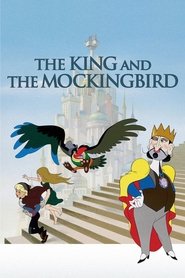
1980s1 titleKThe King and the Mockingbird1980 · as L'oiseau60.1
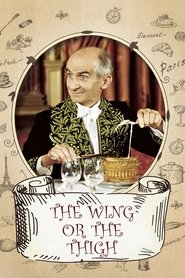
1970s2 titlesWThe Wing or The Thigh?1976 · as Le médecin54.1MMy Name Is Nobody1973 · as Sullivan72.6
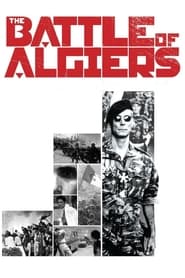
1960s1 titleBThe Battle of Algiers1966 · as Col. Mathieu81.5
Browse the ranked list

you've reached the bottom
goodrecmovies
movies worth your night.

This product uses TMDB and the TMDB APIs but is not endorsed, certified, or otherwise approved by TMDB.

← back

Jean Martin

J
born1922
died2009
known forActing
titles on site4
best title rank#104 · The Battle of Algiers (1966)
avg GRM67.1
Jean Martin (6 March 1922 - 2 February 2009) was a French actor. Coming from a Berry family, he spent part of his childhood in Biarritz, where his father worked for a furrier. During the Second World War, he hid to escape the Forced Labor Service. Staying in Paris, he appeared in two films by Maurice Tourneur: "The Devil's Hand" (1942) then "Cécile Est Mort" (1943). At the twilight of the forties, he started doing theater. In 1953, Jean Martin gained notoriety by playing the new play by Irish playwright Samuel Beckett, "Waiting for Godot", under the direction of Roger Blin, becoming the first to take on the role of Lucky. The same Roger Blin produced “End of the Game” (1957), by the same Beckett, a few years later, and entrusted the same Jean Martin with the role of Clov. In 1960, Jean Martin staged his first play, “Letter Dead”, by Robert Pinget. In 1962, he again staged a play, “The Representatives”, by Aglaé and Mona Mitropoulos, adapted by Michel Arnaud. Alongside this theatrical career which would prove to be rich, Jean Martin returned to cinema: “Notre-Dame de Paris” (1956), by Jean Delannoy, “Paris belongs to us” (1958), by Jacques Rivette, “Ballade for a thug " (1962), by Jean-Claude Bonnardot, "La foire aux dunces" (1963), by Louis Daquin and "À toi de fait mignon" (1963), by Bernard Borderie. In 1960, he was a signatory of the Manifesto of the 121 entitled “Declaration on the right to insubordination in the Algerian war”. In 1965, a role marked his career, that of Colonel Mathieu, in a film retracing the struggle in 1957 for control of the Casbah district of Algiers between FLN militants and French soldiers: "The Battle of Algiers" . Three years after the end of the Algerian War, the subject is still sensitive on each side of the Mediterranean; the film was banned in France upon its release, then censored until 2004. Jean Martin, very convincing in this role of division commander (historically, the commander is General Massu, but the character is inspired by Colonel Bigeard), is the only professional actor in the film. His large stature, his strong personality and his imperious face predispose him to notable roles generally showing authority: chief doctor, police commissioner, high-ranking military officer, ecclesiastical dignitary...; one of the most impressive will undoubtedly be that of a doctor vehemently expelling from his hospital a judge Fayard, Patrick Dewaere, a bit of a cavalier in "Le Juge Fayard Dit Le Shérif" (1976). Claude Zidi mocks these roles in his comedies: principal in “La moutarde monte au nose” (1974), bank director in “La Course À L'Échalote” (1975), chief doctor in “L'aile ou la thigh” (1976), principal inspector in “Bête mais disciplined” (1979) and examiner in “Inspecteur la Bavure” (1980). Alongside Jean-Paul Belmondo, he is… cardinal in “L’Hériter” (1972) and… divisional commissioner in “Peur Sur La ville” (1975)! But also alongside Terence Hill in “My Name is Nobody” (1973) in the role of Sullivan, or “One Genius, Two Associates, One Bell (1975). After devoting a large part of his career to the theater, appearing in around fifty films, Jean Martin died on February 2, 2009, in Paris.

Filmography

ranked on this site

Browse the ranked list