Acting

Anna Magnani

1908–1973 · Acting

61.0avg grm
8titles
#652best rank
13honors
Rbest title · #652 on siteRome, Open City1945 · as Pina76.5

Honors

13
1956Academy Award — Best Actress
1958Silver Bear — Best Actress
1956Golden Globe Award — Best Actress – Motion Picture Drama
1958David di Donatello — Best Actress
1947Volpi Cup — Best Actress
Honors
  • 1956Academy Award — Best Actress
  • 1958Silver Bear — Best Actress
  • 1956Golden Globe Award — Best Actress – Motion Picture Drama
  • 1958David di Donatello — Best Actress
  • 1947Volpi Cup — Best Actress
  • 1946Nastro d'Argento — Best Supporting Actress
  • 1957BAFTA — Best Foreign Actress
  • 1959Grolla d'oro — Best Leading Actress
  • —New York Film Critics Circle
  • —National Board of Review Award — Best Actress
  • —Sant Jordi Prize
  • —Nastro d'Argento — Best Actress
  • —star on Hollywood Walk of Fame

Bio

Anna Magnani (pronounced: mahn-YANEE; 7 March 1908 – 26 September 1973) was an Italian stage and film actress. She won the Academy Award for Best Actress, along with four other international awards, for her portrayal of a Sicilian widow in The Rose Tattoo. Born in Rome to an Egyptian father and an Italian mother, she worked her way through Rome's Academy of Dramatic Art by singing at night clubs. During her career, her only child was stricken by polio when he was 18 months old and remained crippled. She was referred to as "La Lupa," the "perennial toast of Rome" and a "living she-wolf symbol" of the cinema. Time magazine described her personality as "fiery", and drama critic Harold Clurman said her acting was "volcanic". In the realm of Italian cinema, she was "passionate, fearless, and exciting," an actress that film historian Barry Monush calls "the volcanic earth mother of all Italian cinema." Director Roberto Rossellini called her "the greatest acting genius since Eleonora Duse. Playwright Tennessee Williams became an admirer of her acting and wrote The Rose Tattoo specifically for her to star in, a role for which she received her first Oscar in 1955. After meeting director Goffredo Alessandrini she received her first screen role in La cieca di Sorrento (The Blind Woman of Sorrento) (1934) and later achieved international fame in Rossellini's Rome, Open City (1945), considered the first significant movie to launch the Italian neorealism movement in cinema. As an actress she became recognized for her dynamic and forceful portrayals of "earthy lower-class women" in such films as The Miracle (1948), Bellissima (1951), The Rose Tattoo (1955), The Fugitive Kind (1960), with Marlon Brando and directed by Sidney Lumet, and Mamma Roma (1962). As early as 1950, Life magazine had already stated that Magnani was "one of the most impressive actresses since Garbo". Description above from the Wikipedia article Anna Magnani, licensed under CC-BY-SA, full list of contributors on Wikipedia​

Biography

Anna Magnani (pronounced: mahn-YANEE; 7 March 1908 – 26 September 1973) was an Italian stage and film actress. She won the Academy Award for Best Actress, along with four other international awards, for her portrayal of a Sicilian widow in The Rose Tattoo. Born in Rome to an Egyptian father and an Italian mother, she worked her way through Rome's Academy of Dramatic Art by singing at night clubs. During her career, her only child was stricken by polio when he was 18 months old and remained crippled. She was referred to as "La Lupa," the "perennial toast of Rome" and a "living she-wolf symbol" of the cinema. Time magazine described her personality as "fiery", and drama critic Harold Clurman said her acting was "volcanic". In the realm of Italian cinema, she was "passionate, fearless, and exciting," an actress that film historian Barry Monush calls "the volcanic earth mother of all Italian cinema." Director Roberto Rossellini called her "the greatest acting genius since Eleonora Duse. Playwright Tennessee Williams became an admirer of her acting and wrote The Rose Tattoo specifically for her to star in, a role for which she received her first Oscar in 1955. After meeting director Goffredo Alessandrini she received her first screen role in La cieca di Sorrento (The Blind Woman of Sorrento) (1934) and later achieved international fame in Rossellini's Rome, Open City (1945), considered the first significant movie to launch the Italian neorealism movement in cinema. As an actress she became recognized for her dynamic and forceful portrayals of "earthy lower-class women" in such films as The Miracle (1948), Bellissima (1951), The Rose Tattoo (1955), The Fugitive Kind (1960), with Marlon Brando and directed by Sidney Lumet, and Mamma Roma (1962). As early as 1950, Life magazine had already stated that Magnani was "one of the most impressive actresses since Garbo". Description above from the Wikipedia article Anna Magnani, licensed under CC-BY-SA, full list of contributors on Wikipedia​

Filmography

ranked on this site
1970s1 titleRRoma1972 · as Anna Magnani63.6
1960s3 titlesSThe Secret of Santa Vittoria1969 · as Rosa55.3MMamma Roma1962 · as Mamma Roma60.4PThe Passionate Thief1960 · as Gioia 'Tortorella' Fabbricotti57.6
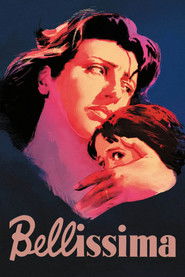
1950s2 titles....and the Wild Wild Women1959 · as Egle57.4BBellissima1951 · as Maddalena Cecconi60.1
1940s2 titlesAAngelina1947 · as Angela Bianchi detta 'Angelina'57.5RRome, Open City1945 · as Pina76.5

Browse the ranked list

you've reached the bottom
goodrecmovies
movies worth your night.

This product uses TMDB and the TMDB APIs but is not endorsed, certified, or otherwise approved by TMDB.

← back

Anna Magnani

A
born1908
died1973
known forActing
titles on site8
best title rank#652 · Rome, Open City (1945)
avg GRM61.0
honors13 · Academy Award — Best Actress, 1956
Honors
  • 1956Academy Award — Best Actress
  • 1958Silver Bear — Best Actress
  • 1956Golden Globe Award — Best Actress – Motion Picture Drama
  • 1958David di Donatello — Best Actress
  • 1947Volpi Cup — Best Actress
  • 1946Nastro d'Argento — Best Supporting Actress
  • 1957BAFTA — Best Foreign Actress
  • 1959Grolla d'oro — Best Leading Actress
  • —New York Film Critics Circle
  • —National Board of Review Award — Best Actress
  • —Sant Jordi Prize
  • —Nastro d'Argento — Best Actress
  • —star on Hollywood Walk of Fame
Anna Magnani (pronounced: mahn-YANEE; 7 March 1908 – 26 September 1973) was an Italian stage and film actress. She won the Academy Award for Best Actress, along with four other international awards, for her portrayal of a Sicilian widow in The Rose Tattoo. Born in Rome to an Egyptian father and an Italian mother, she worked her way through Rome's Academy of Dramatic Art by singing at night clubs. During her career, her only child was stricken by polio when he was 18 months old and remained crippled. She was referred to as "La Lupa," the "perennial toast of Rome" and a "living she-wolf symbol" of the cinema. Time magazine described her personality as "fiery", and drama critic Harold Clurman said her acting was "volcanic". In the realm of Italian cinema, she was "passionate, fearless, and exciting," an actress that film historian Barry Monush calls "the volcanic earth mother of all Italian cinema." Director Roberto Rossellini called her "the greatest acting genius since Eleonora Duse. Playwright Tennessee Williams became an admirer of her acting and wrote The Rose Tattoo specifically for her to star in, a role for which she received her first Oscar in 1955. After meeting director Goffredo Alessandrini she received her first screen role in La cieca di Sorrento (The Blind Woman of Sorrento) (1934) and later achieved international fame in Rossellini's Rome, Open City (1945), considered the first significant movie to launch the Italian neorealism movement in cinema. As an actress she became recognized for her dynamic and forceful portrayals of "earthy lower-class women" in such films as The Miracle (1948), Bellissima (1951), The Rose Tattoo (1955), The Fugitive Kind (1960), with Marlon Brando and directed by Sidney Lumet, and Mamma Roma (1962). As early as 1950, Life magazine had already stated that Magnani was "one of the most impressive actresses since Garbo". Description above from the Wikipedia article Anna Magnani, licensed under CC-BY-SA, full list of contributors on Wikipedia​

Filmography

ranked on this site

Browse the ranked list