Directing

Claude Lanzmann

1925–2018 · Directing

63.1avg grm
7titles
8honors

Honors

8
2013Honorary Golden Bear
2014Grand Cross of the National Order of Merit
1999honorary doctor of the Hebrew University of Jerusalem
1993Verzetsprijs van de Stichting Kunstenaarsverzet
1985Francine and Antoine Bernheim Award — Arts, Literature and Science
Honors
  • 2013Honorary Golden Bear
  • 2014Grand Cross of the National Order of Merit
  • 1999honorary doctor of the Hebrew University of Jerusalem
  • 1993Verzetsprijs van de Stichting Kunstenaarsverzet
  • 1985Francine and Antoine Bernheim Award — Arts, Literature and Science
  • —honorary doctor of the University of Lucerne
  • —Resistance Medal
  • —Grand Officer of the Legion of Honour

Bio

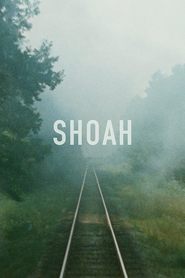
Claude Lanzmann (27 November 1925 – 5 July 2018) was a French filmmaker known for the Holocaust documentary film Shoah (1985). Lanzmann was born on 27 November 1925 in Paris, France, the son of Paulette (née Grobermann) and Armand Lanzmann. His family was Jewish, and had immigrated to France from The Russian Empire. He was the brother of writer Jacques Lanzmann. Lanzmann attended the Lycée Blaise-Pascal in Clermont-Ferrand. While his family disguised their identity and went into hiding during World War II, he joined the French resistance at the age of 17, along with his father and brother, and fought in Auvergne. Lanzmann opposed the French war in Algeria and signed the 1960 antiwar petition Manifesto of the 121. Lanzmann was the chief editor of the journal Les Temps Modernes, founded by Jean-Paul Sartre and Simone de Beauvoir, and lecturer at the European Graduate School in Saas-Fee, Switzerland. In 2009 he published his memoirs under the title Le lièvre de Patagonie ("The Patagonian Hare"). Lanzmann's most renowned work, Shoah (1985), is a nine-and-a-half-hour oral history of the Holocaust. Shoah is made without the use of any historical footage, and uses only first-person testimony from perpetrators and victims, and contemporary footage of Holocaust-related sites. Interviewees include the Polish resistance fighter Jan Karski and the American Holocaust historian Raul Hilberg. When the film was released, the director also published the complete text, including in English translation, with introductions by Lanzmann and Simone de Beauvoir. Lanzmann disagreed, sometimes angrily, with attempts to understand the why of Hitler, stating that the evil of Hitler cannot or should not be explained and that to do so is immoral and an obscenity. Lanzmann also oftentimes pushed his subjects to extreme emotional limits to bring out the most authentic reactions for his audience. The interview with barber Abraham Bomba is a staple of a Claude Lanzmann interview. A compilation of "Shoah: Unseen Interviews" was released in 2012 that included interviews filmed at the time of the original production but never made it into the film. On 4 July 2018, his last work, Les Quatre Soeurs (Shoah: Four Sisters) was released, featuring testimonials from four Holocaust survivors not included in his Shoah. Lanzmann died the following day. From 1952 to 1959, he lived with Simone de Beauvoir. In 1963 he married French actress Judith Magre. They divorced in 1971, and he later married Angelika Schrobsdorff, a German-Jewish writer. He divorced a second time, and was the father of Angélique Lanzmann and Félix Lanzmann. Claude Lanzmann died on 5 July 2018 at his Paris home, after having been ill for several days. He was 92. Source: Article "Claude Lanzmann" from Wikipedia in English, licensed under CC-BY-SA 3.0.

Biography

Claude Lanzmann (27 November 1925 – 5 July 2018) was a French filmmaker known for the Holocaust documentary film Shoah (1985). Lanzmann was born on 27 November 1925 in Paris, France, the son of Paulette (née Grobermann) and Armand Lanzmann. His family was Jewish, and had immigrated to France from The Russian Empire. He was the brother of writer Jacques Lanzmann. Lanzmann attended the Lycée Blaise-Pascal in Clermont-Ferrand. While his family disguised their identity and went into hiding during World War II, he joined the French resistance at the age of 17, along with his father and brother, and fought in Auvergne. Lanzmann opposed the French war in Algeria and signed the 1960 antiwar petition Manifesto of the 121. Lanzmann was the chief editor of the journal Les Temps Modernes, founded by Jean-Paul Sartre and Simone de Beauvoir, and lecturer at the European Graduate School in Saas-Fee, Switzerland. In 2009 he published his memoirs under the title Le lièvre de Patagonie ("The Patagonian Hare"). Lanzmann's most renowned work, Shoah (1985), is a nine-and-a-half-hour oral history of the Holocaust. Shoah is made without the use of any historical footage, and uses only first-person testimony from perpetrators and victims, and contemporary footage of Holocaust-related sites. Interviewees include the Polish resistance fighter Jan Karski and the American Holocaust historian Raul Hilberg. When the film was released, the director also published the complete text, including in English translation, with introductions by Lanzmann and Simone de Beauvoir. Lanzmann disagreed, sometimes angrily, with attempts to understand the why of Hitler, stating that the evil of Hitler cannot or should not be explained and that to do so is immoral and an obscenity. Lanzmann also oftentimes pushed his subjects to extreme emotional limits to bring out the most authentic reactions for his audience. The interview with barber Abraham Bomba is a staple of a Claude Lanzmann interview. A compilation of "Shoah: Unseen Interviews" was released in 2012 that included interviews filmed at the time of the original production but never made it into the film. On 4 July 2018, his last work, Les Quatre Soeurs (Shoah: Four Sisters) was released, featuring testimonials from four Holocaust survivors not included in his Shoah. Lanzmann died the following day. From 1952 to 1959, he lived with Simone de Beauvoir. In 1963 he married French actress Judith Magre. They divorced in 1971, and he later married Angelika Schrobsdorff, a German-Jewish writer. He divorced a second time, and was the father of Angélique Lanzmann and Félix Lanzmann. Claude Lanzmann died on 5 July 2018 at his Paris home, after having been ill for several days. He was 92. Source: Article "Claude Lanzmann" from Wikipedia in English, licensed under CC-BY-SA 3.0.

Filmography

ranked on this site
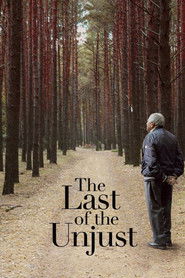
2010s2 titlesFThe Four Sisters2018 · as Self - Interviewer · series64.1LThe Last of the Unjust2013 · as Self - Interviewer57.8
2000s1 titleSSobibór, October 14, 1943, 4 p.m.2001 · as Self - Interviewer58.2
1990s1 titleAA Visitor from the Living1999 · as Self - Interviewer58.5
1980s2 titlesHHôtel Terminus1988 · as Self58.9SShoah1985 · as Director85.3
1970s1 titleIIsrael, Why1973 · as Self - Interviewer58.9

Browse the ranked list

you've reached the bottom
goodrecmovies
movies worth your night.

This product uses TMDB and the TMDB APIs but is not endorsed, certified, or otherwise approved by TMDB.

← back

Claude Lanzmann

C
born1925
died2018
known forDirecting
titles on site7
avg GRM63.1
honors8 · Honorary Golden Bear, 2013
Honors
  • 2013Honorary Golden Bear
  • 2014Grand Cross of the National Order of Merit
  • 1999honorary doctor of the Hebrew University of Jerusalem
  • 1993Verzetsprijs van de Stichting Kunstenaarsverzet
  • 1985Francine and Antoine Bernheim Award — Arts, Literature and Science
  • —honorary doctor of the University of Lucerne
  • —Resistance Medal
  • —Grand Officer of the Legion of Honour
Claude Lanzmann (27 November 1925 – 5 July 2018) was a French filmmaker known for the Holocaust documentary film Shoah (1985). Lanzmann was born on 27 November 1925 in Paris, France, the son of Paulette (née Grobermann) and Armand Lanzmann. His family was Jewish, and had immigrated to France from The Russian Empire. He was the brother of writer Jacques Lanzmann. Lanzmann attended the Lycée Blaise-Pascal in Clermont-Ferrand. While his family disguised their identity and went into hiding during World War II, he joined the French resistance at the age of 17, along with his father and brother, and fought in Auvergne. Lanzmann opposed the French war in Algeria and signed the 1960 antiwar petition Manifesto of the 121. Lanzmann was the chief editor of the journal Les Temps Modernes, founded by Jean-Paul Sartre and Simone de Beauvoir, and lecturer at the European Graduate School in Saas-Fee, Switzerland. In 2009 he published his memoirs under the title Le lièvre de Patagonie ("The Patagonian Hare"). Lanzmann's most renowned work, Shoah (1985), is a nine-and-a-half-hour oral history of the Holocaust. Shoah is made without the use of any historical footage, and uses only first-person testimony from perpetrators and victims, and contemporary footage of Holocaust-related sites. Interviewees include the Polish resistance fighter Jan Karski and the American Holocaust historian Raul Hilberg. When the film was released, the director also published the complete text, including in English translation, with introductions by Lanzmann and Simone de Beauvoir. Lanzmann disagreed, sometimes angrily, with attempts to understand the why of Hitler, stating that the evil of Hitler cannot or should not be explained and that to do so is immoral and an obscenity. Lanzmann also oftentimes pushed his subjects to extreme emotional limits to bring out the most authentic reactions for his audience. The interview with barber Abraham Bomba is a staple of a Claude Lanzmann interview. A compilation of "Shoah: Unseen Interviews" was released in 2012 that included interviews filmed at the time of the original production but never made it into the film. On 4 July 2018, his last work, Les Quatre Soeurs (Shoah: Four Sisters) was released, featuring testimonials from four Holocaust survivors not included in his Shoah. Lanzmann died the following day. From 1952 to 1959, he lived with Simone de Beauvoir. In 1963 he married French actress Judith Magre. They divorced in 1971, and he later married Angelika Schrobsdorff, a German-Jewish writer. He divorced a second time, and was the father of Angélique Lanzmann and Félix Lanzmann. Claude Lanzmann died on 5 July 2018 at his Paris home, after having been ill for several days. He was 92. Source: Article "Claude Lanzmann" from Wikipedia in English, licensed under CC-BY-SA 3.0.

Filmography

ranked on this site

Browse the ranked list