Directing

Peter Kubelka

born 1934 · Directing

59.0avg grm
2titles
3honors

Honors

3
2012Eckart Witzigmann Prize
2005Austrian Decoration — Science and Art
—Decoration of Honour in Gold — Services to the State of Vienna

Bio

Peter Kubelka (born 23 March 1934 in Vienna, Austria) is an Austrian experimental filmmaker, architect, musician, curator and lecturer. His films are primarily short experiments in linking seemingly disparate sound and images. He is best known for his 1966 avant-garde classic Unsere Afrikareise (Our Trip to Africa). Kubelka made 16mm films, mostly shorts, and is known for his 1960 film Arnulf Rainer, a "flicker film" which alternates black and clear film that is projected to create a "flicker" effect. Kubelka also designed the Anthology Film Archives custom film screening space in the 1970s in New York. The theater had highly raked (tiered) seating with a cowel over each seat and visual barriers between each seat so that the audience member was totally isolated visually from other patrons. The theater was painted black and the seating was covered in black velvet. The only light in the room between film showings came from a spotlight aimed at the screen, thus ensuring that the only light in the room came from the screen. The design is illustrative of the purist aesthetic of the Avant Garde film movement of that era. Description above from the Wikipedia article Peter Kubelka, licensed under CC-BY-SA, full list of contributors on Wikipedia.​

Biography

Peter Kubelka (born 23 March 1934 in Vienna, Austria) is an Austrian experimental filmmaker, architect, musician, curator and lecturer. His films are primarily short experiments in linking seemingly disparate sound and images. He is best known for his 1966 avant-garde classic Unsere Afrikareise (Our Trip to Africa). Kubelka made 16mm films, mostly shorts, and is known for his 1960 film Arnulf Rainer, a "flicker film" which alternates black and clear film that is projected to create a "flicker" effect. Kubelka also designed the Anthology Film Archives custom film screening space in the 1970s in New York. The theater had highly raked (tiered) seating with a cowel over each seat and visual barriers between each seat so that the audience member was totally isolated visually from other patrons. The theater was painted black and the seating was covered in black velvet. The only light in the room between film showings came from a spotlight aimed at the screen, thus ensuring that the only light in the room came from the screen. The design is illustrative of the purist aesthetic of the Avant Garde film movement of that era. Description above from the Wikipedia article Peter Kubelka, licensed under CC-BY-SA, full list of contributors on Wikipedia.​

Filmography

ranked on this site
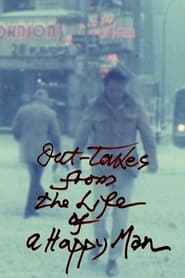
2010s1 titleOOut-Takes from the Life of a Happy Man2012 · as Self59.1
1970s1 titleRReminiscences of a Journey to Lithuania1972 · as Self58.9

Browse the ranked list

you've reached the bottom
goodrecmovies
movies worth your night.

This product uses TMDB and the TMDB APIs but is not endorsed, certified, or otherwise approved by TMDB.

← back

Peter Kubelka

P
born1934
known forDirecting
titles on site2
avg GRM59.0
honors3 · Eckart Witzigmann Prize, 2012
Honors
  • 2012Eckart Witzigmann Prize
  • 2005Austrian Decoration — Science and Art
  • —Decoration of Honour in Gold — Services to the State of Vienna
Peter Kubelka (born 23 March 1934 in Vienna, Austria) is an Austrian experimental filmmaker, architect, musician, curator and lecturer. His films are primarily short experiments in linking seemingly disparate sound and images. He is best known for his 1966 avant-garde classic Unsere Afrikareise (Our Trip to Africa). Kubelka made 16mm films, mostly shorts, and is known for his 1960 film Arnulf Rainer, a "flicker film" which alternates black and clear film that is projected to create a "flicker" effect. Kubelka also designed the Anthology Film Archives custom film screening space in the 1970s in New York. The theater had highly raked (tiered) seating with a cowel over each seat and visual barriers between each seat so that the audience member was totally isolated visually from other patrons. The theater was painted black and the seating was covered in black velvet. The only light in the room between film showings came from a spotlight aimed at the screen, thus ensuring that the only light in the room came from the screen. The design is illustrative of the purist aesthetic of the Avant Garde film movement of that era. Description above from the Wikipedia article Peter Kubelka, licensed under CC-BY-SA, full list of contributors on Wikipedia.​

Filmography

ranked on this site

Browse the ranked list