Acting

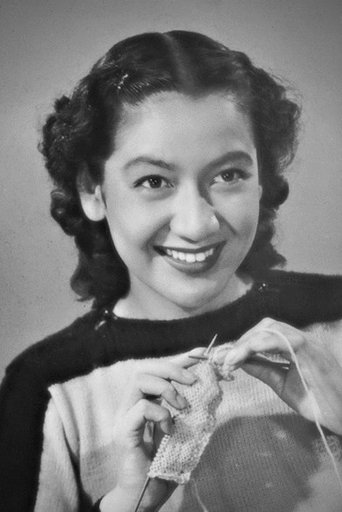
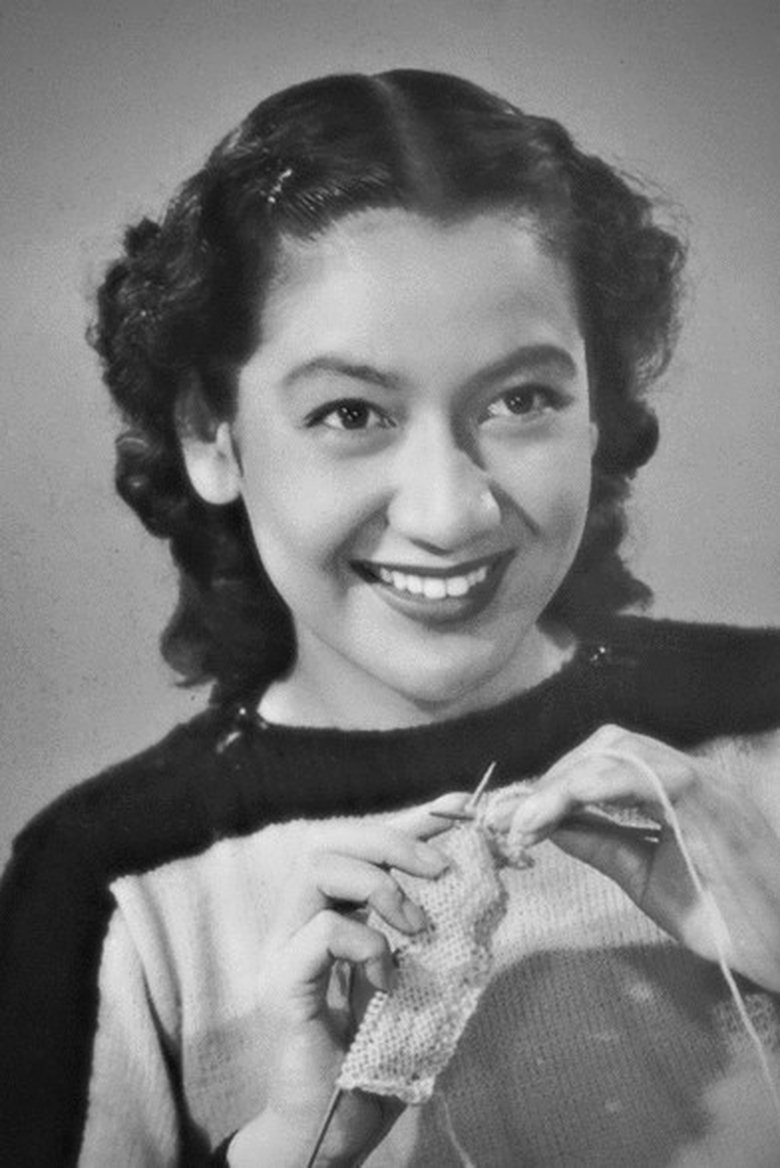
Setsuko Hara

1920–2015 · Acting

62.0avg grm
15titles
#93best rank
2honors
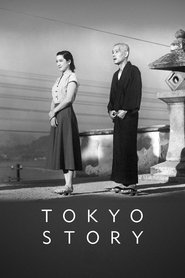
Tbest title · #93 on siteTokyo Story1953 · as Noriko Hirayama82.0

Honors

2
1952Blue Ribbon Awards — Best Actress
—Mainichi Film Award — Best Actress

Bio

From Wikipedia, the free encyclopedia. Setsuko Hara (June 17, 1920 – September 5, 2015) was a Japanese actress who appeared in six of Yasujirō Ozu's films, most notably as Noriko in the "Noriko Trilogy": Late Spring (1949), Early Summer (1951), and Tokyo Story (1953). Her other films for Ozu were Tokyo Twilight (1957), Late Autumn (1960), and finally The End of Summer in 1961. She was born  Masae Aida in Yokohama, Kanagawa prefecture. She came to prominence as an actress at an early age, in the 1937 German-Japanese co-production Die Tochter des Samurai (Daughter of the Samurai), known in Japan as Atarashiki Tsuchi (The New Earth), directed by Arnold Fanck and Mansaku Itami. She also starred in films by Akira Kurosawa, Mikio Naruse, and other prominent directors. She was called "the Eternal Virgin" in Japan and is a symbol of the golden era of Japanese cinema of the 1950s. She suddenly quit acting in 1963 (the same year as Ozu's death), and led a secluded life in Kamakura, refusing all interviews and photographs. Her last major role was Riku, wife of Ōishi Yoshio, in the 1962 film Chushingura. She was the inspiration for the protagonist of the 2001 movie Millennium Actress. Description above from the Wikipedia article Setsuko Hara, licensed under CC-BY-SA, full list of contributors on Wikipedia.

Biography

From Wikipedia, the free encyclopedia. Setsuko Hara (June 17, 1920 – September 5, 2015) was a Japanese actress who appeared in six of Yasujirō Ozu's films, most notably as Noriko in the "Noriko Trilogy": Late Spring (1949), Early Summer (1951), and Tokyo Story (1953). Her other films for Ozu were Tokyo Twilight (1957), Late Autumn (1960), and finally The End of Summer in 1961. She was born  Masae Aida in Yokohama, Kanagawa prefecture. She came to prominence as an actress at an early age, in the 1937 German-Japanese co-production Die Tochter des Samurai (Daughter of the Samurai), known in Japan as Atarashiki Tsuchi (The New Earth), directed by Arnold Fanck and Mansaku Itami. She also starred in films by Akira Kurosawa, Mikio Naruse, and other prominent directors. She was called "the Eternal Virgin" in Japan and is a symbol of the golden era of Japanese cinema of the 1950s. She suddenly quit acting in 1963 (the same year as Ozu's death), and led a secluded life in Kamakura, refusing all interviews and photographs. Her last major role was Riku, wife of Ōishi Yoshio, in the 1962 film Chushingura. She was the inspiration for the protagonist of the 2001 movie Millennium Actress. Description above from the Wikipedia article Setsuko Hara, licensed under CC-BY-SA, full list of contributors on Wikipedia.

Filmography

ranked on this site
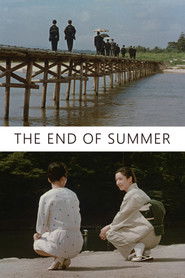
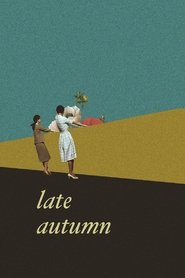
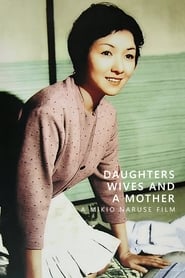
1960s3 titlesEThe End of Summer1961 · as Akiko60.0LLate Autumn1960 · as Akiko Miwa62.3DDaughters, Wives and a Mother1960 · as Sanae Sakanoshi, the eldest daughter58.1
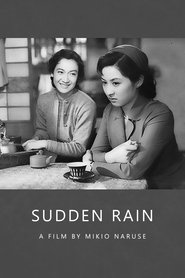
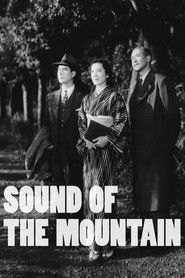
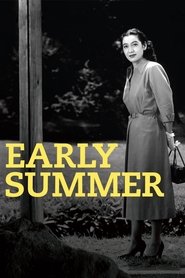
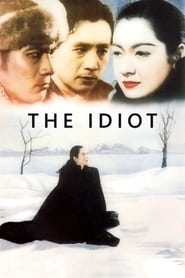
1950s8 titlesTTokyo Twilight1957 · as Takako Numata63.2SSudden Rain1956 · as Fumiko58.1SSound of the Mountain1954 · as Kikuko Ogata59.6TTokyo Story1953 · as Noriko Hirayama82.0TTokyo Sweetheart1952 · as Yuki58.5EEarly Summer1951 · as Noriko Mamiya64.0RRepast1951 · as Michiyo Okamoto58.9IThe Idiot1951 · as Taeko Nasu53.9
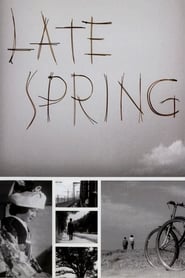
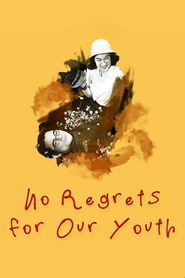
1940s3 titlesLLate Spring1949 · as Noriko Somiya81.8BThe Ball at the Anjo House1947 · as Atsuko Anjô58.0NNo Regrets for Our Youth1946 · as Yukie Yagihara54.4
1930s1 titlePPriest of Darkness1936 · as Onami57.5

Browse the ranked list

you've reached the bottom
goodrecmovies
movies worth your night.

This product uses TMDB and the TMDB APIs but is not endorsed, certified, or otherwise approved by TMDB.

← back

Setsuko Hara

S
born1920
died2015
known forActing
titles on site15
best title rank#93 · Tokyo Story (1953)
avg GRM62.0
honors2 · Blue Ribbon Awards — Best Actress, 1952
Honors
  • 1952Blue Ribbon Awards — Best Actress
  • —Mainichi Film Award — Best Actress
From Wikipedia, the free encyclopedia. Setsuko Hara (June 17, 1920 – September 5, 2015) was a Japanese actress who appeared in six of Yasujirō Ozu's films, most notably as Noriko in the "Noriko Trilogy": Late Spring (1949), Early Summer (1951), and Tokyo Story (1953). Her other films for Ozu were Tokyo Twilight (1957), Late Autumn (1960), and finally The End of Summer in 1961. She was born  Masae Aida in Yokohama, Kanagawa prefecture. She came to prominence as an actress at an early age, in the 1937 German-Japanese co-production Die Tochter des Samurai (Daughter of the Samurai), known in Japan as Atarashiki Tsuchi (The New Earth), directed by Arnold Fanck and Mansaku Itami. She also starred in films by Akira Kurosawa, Mikio Naruse, and other prominent directors. She was called "the Eternal Virgin" in Japan and is a symbol of the golden era of Japanese cinema of the 1950s. She suddenly quit acting in 1963 (the same year as Ozu's death), and led a secluded life in Kamakura, refusing all interviews and photographs. Her last major role was Riku, wife of Ōishi Yoshio, in the 1962 film Chushingura. She was the inspiration for the protagonist of the 2001 movie Millennium Actress. Description above from the Wikipedia article Setsuko Hara, licensed under CC-BY-SA, full list of contributors on Wikipedia.

Filmography

ranked on this site

Browse the ranked list