Writing

Paul Haggis

born 1953 · Writing

63.6avg grm
11titles
#1,699best rank
5honors
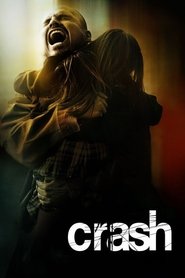
Cbest title · #1,699 on siteCrash2004 · as Director72.0

Honors

5
2006Academy Award — Best Writing, Original Screenplay
2006Academy Award — Best Picture
—Emmy — Outstanding Drama Series
—Emmy — Outstanding Writing for a Drama Series
—Writers Guild of America Award

Bio

Haggis began to work as a writer for television programs, including The Love Boat, One Day at a Time, Diff'rent Strokes, and The Facts of Life. With The Facts of Life, Haggis also gained his first credit as producer. During the 1980s and 1990s, Haggis wrote for television series including thirtysomething, The Tracey Ullman Show, FM, Due South, L.A. Law, and EZ Streets. He helped to create the television series Walker, Texas Ranger; Family Law; and Due South. Haggis served as executive producer of the series Michael Hayes and Family Law. He gained recognition in the film industry for his work on the 2004 film Million Dollar Baby, which Allmovie described as a "serious milestone" for the writer/producer, and as "his first high-profile foray into feature film". Haggis had read two stories written by Jerry Boyd, a boxing trainer who wrote under the name of F.X. Toole. Haggis later acquired the rights to the stories, and developed them into the screenplay for Million Dollar Baby. Clint Eastwood portrayed the lead character in the film. Eastwood also directed the film, and used the screenplay written by Haggis. Million Dollar Baby received four Academy Awards including the Academy Award for Best Picture. After Million Dollar Baby, Haggis worked on the 2004 film Crash. Haggis came up with the story for the film on his own, and then wrote and directed the film, which allowed him greater control over his work. Crash was his first experience as director of a major feature film. Highly positive upon release, critical reception of Crash has since polarized, although Roger Ebert called it the best film of 2005. Crash received Academy Award nominations for Best Picture and Best Director, in addition to four other Academy Award nominations. Haggis received two Academy Awards for the film: Best Picture (as its producer), and Best Writing for his work on the screenplay. With Million Dollar Baby and then Crash, Haggis became the first individual to have written Best Picture Oscar-winners in two consecutive years. Haggis said that he wrote Crash to "bust liberals", arguing that his fellow liberals were not honest with themselves about the nature of race and racism because they believed that most racial problems had already been resolved in American society.

Biography

Haggis began to work as a writer for television programs, including The Love Boat, One Day at a Time, Diff'rent Strokes, and The Facts of Life. With The Facts of Life, Haggis also gained his first credit as producer. During the 1980s and 1990s, Haggis wrote for television series including thirtysomething, The Tracey Ullman Show, FM, Due South, L.A. Law, and EZ Streets. He helped to create the television series Walker, Texas Ranger; Family Law; and Due South. Haggis served as executive producer of the series Michael Hayes and Family Law. He gained recognition in the film industry for his work on the 2004 film Million Dollar Baby, which Allmovie described as a "serious milestone" for the writer/producer, and as "his first high-profile foray into feature film". Haggis had read two stories written by Jerry Boyd, a boxing trainer who wrote under the name of F.X. Toole. Haggis later acquired the rights to the stories, and developed them into the screenplay for Million Dollar Baby. Clint Eastwood portrayed the lead character in the film. Eastwood also directed the film, and used the screenplay written by Haggis. Million Dollar Baby received four Academy Awards including the Academy Award for Best Picture. After Million Dollar Baby, Haggis worked on the 2004 film Crash. Haggis came up with the story for the film on his own, and then wrote and directed the film, which allowed him greater control over his work. Crash was his first experience as director of a major feature film. Highly positive upon release, critical reception of Crash has since polarized, although Roger Ebert called it the best film of 2005. Crash received Academy Award nominations for Best Picture and Best Director, in addition to four other Academy Award nominations. Haggis received two Academy Awards for the film: Best Picture (as its producer), and Best Writing for his work on the screenplay. With Million Dollar Baby and then Crash, Haggis became the first individual to have written Best Picture Oscar-winners in two consecutive years. Haggis said that he wrote Crash to "bust liberals", arguing that his fellow liberals were not honest with themselves about the nature of race and racism because they believed that most racial problems had already been resolved in American society.

Filmography

ranked on this site
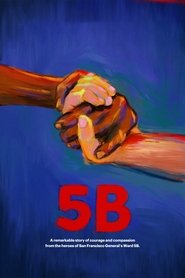
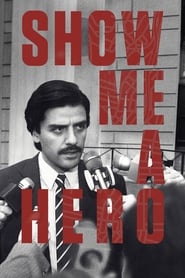
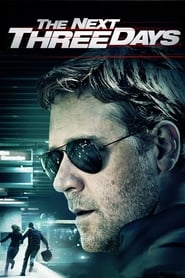
2010s4 titles55B2018 · as Director59.3GGoing Clear: Scientology & the Prison of Belief2015 · as Self65.0SShow Me a Hero2015 · as Director · series64.7NThe Next Three Days2010 · as Director64.1
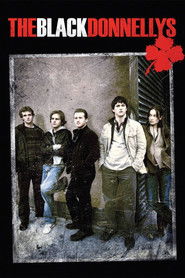
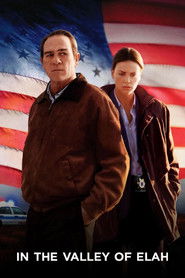
2000s3 titlesBThe Black Donnellys2007 · as Director · series64.5IIn the Valley of Elah2007 · as Director51.8CCrash2004 · as Director72.0
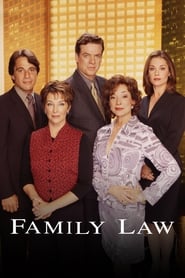
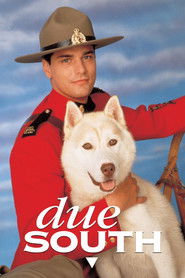
1990s4 titlesFFamily Law1999 · as Director · series64.1EEZ Streets1996 · as Director · series64.3DDue South1994 · as Director · series64.8YYou Take the Kids1990 · as Director · series64.9

Browse the ranked list

you've reached the bottom
goodrecmovies
movies worth your night.

This product uses TMDB and the TMDB APIs but is not endorsed, certified, or otherwise approved by TMDB.

← back

Paul Haggis

P
born1953
known forWriting
titles on site11
best title rank#1,699 · Crash (2004)
avg GRM63.6
honors5 · Academy Award — Best Writing, Original Screenplay, 2006
Honors
  • 2006Academy Award — Best Writing, Original Screenplay
  • 2006Academy Award — Best Picture
  • —Emmy — Outstanding Drama Series
  • —Emmy — Outstanding Writing for a Drama Series
  • —Writers Guild of America Award
Haggis began to work as a writer for television programs, including The Love Boat, One Day at a Time, Diff'rent Strokes, and The Facts of Life. With The Facts of Life, Haggis also gained his first credit as producer. During the 1980s and 1990s, Haggis wrote for television series including thirtysomething, The Tracey Ullman Show, FM, Due South, L.A. Law, and EZ Streets. He helped to create the television series Walker, Texas Ranger; Family Law; and Due South. Haggis served as executive producer of the series Michael Hayes and Family Law. He gained recognition in the film industry for his work on the 2004 film Million Dollar Baby, which Allmovie described as a "serious milestone" for the writer/producer, and as "his first high-profile foray into feature film". Haggis had read two stories written by Jerry Boyd, a boxing trainer who wrote under the name of F.X. Toole. Haggis later acquired the rights to the stories, and developed them into the screenplay for Million Dollar Baby. Clint Eastwood portrayed the lead character in the film. Eastwood also directed the film, and used the screenplay written by Haggis. Million Dollar Baby received four Academy Awards including the Academy Award for Best Picture. After Million Dollar Baby, Haggis worked on the 2004 film Crash. Haggis came up with the story for the film on his own, and then wrote and directed the film, which allowed him greater control over his work. Crash was his first experience as director of a major feature film. Highly positive upon release, critical reception of Crash has since polarized, although Roger Ebert called it the best film of 2005. Crash received Academy Award nominations for Best Picture and Best Director, in addition to four other Academy Award nominations. Haggis received two Academy Awards for the film: Best Picture (as its producer), and Best Writing for his work on the screenplay. With Million Dollar Baby and then Crash, Haggis became the first individual to have written Best Picture Oscar-winners in two consecutive years. Haggis said that he wrote Crash to "bust liberals", arguing that his fellow liberals were not honest with themselves about the nature of race and racism because they believed that most racial problems had already been resolved in American society.

Filmography

ranked on this site

Browse the ranked list