
Acting

Sally Gray

1916–2006 · Acting

56.2avg grm
3titles

Bio

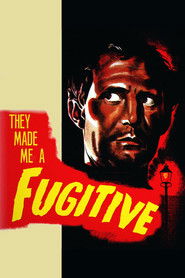
From Wikipedia, the free encyclopedia Constance Vera Browne, Baroness Oranmore and Browne (14 February 1916 – 24 September 2006), commonly known as Sally Gray, was an English movie actress of the 1930s and 1940s. Born Constance Vera Stevens in Holloway, London, Gray trained at Fay Compton’s School of Dramatic Art and became well established in the theatre before embarking on a series of light comedies, musicals and thrillers in the 1930s. Gray began in films in her teens with a bit part in School for Scandal (1930) and returned in 1935, making nearly twenty films, culminating in her sensitive role in Brian Desmond Hurst’s romantic melodrama Dangerous Moonlight (1941). She was off the screen for several years owing to an alleged nervous breakdown and then returned in 1946 to make her strongest bid for stardom. This latter involved a series of melodramas. They include the hospital thriller Green for Danger (1946), Carnival (1946), and The Mark of Cain (1948). She made two films that, in different ways, capture some of the essence of postwar Britain: Alberto Cavalcanti's They Made Me a Fugitive (1947) (as a gangster's moll) and the stagebound Silent Dust (1948). She also appeared in Edward Dmytryk's film noir piece Obsession (1949), in which she plays Robert Newton’s faithless wife. Her final film was the spy yarn Escape Route (1952). RKO Executives, impressed with Gray, authorized producer William Sistrom to offer her a long-term contract if she would move to the United States. John Paddy Carstairs, director of The Saint in London, also thought she could be a star. However, she declined the offer and instead retired in 1952 after secretly marrying Dominick Browne, 4th Baron Oranmore and Browne and lived in County Mayo, Ireland. In the early 1960s, they returned to England and settled in a flat in Eaton Place, Belgravia, in London. They had no children. Description above from the Wikipedia article Sally Gray, licensed under CC-BY-SA, full list of contributors on Wikipedia.
Biography

From Wikipedia, the free encyclopedia Constance Vera Browne, Baroness Oranmore and Browne (14 February 1916 – 24 September 2006), commonly known as Sally Gray, was an English movie actress of the 1930s and 1940s. Born Constance Vera Stevens in Holloway, London, Gray trained at Fay Compton’s School of Dramatic Art and became well established in the theatre before embarking on a series of light comedies, musicals and thrillers in the 1930s. Gray began in films in her teens with a bit part in School for Scandal (1930) and returned in 1935, making nearly twenty films, culminating in her sensitive role in Brian Desmond Hurst’s romantic melodrama Dangerous Moonlight (1941). She was off the screen for several years owing to an alleged nervous breakdown and then returned in 1946 to make her strongest bid for stardom. This latter involved a series of melodramas. They include the hospital thriller Green for Danger (1946), Carnival (1946), and The Mark of Cain (1948). She made two films that, in different ways, capture some of the essence of postwar Britain: Alberto Cavalcanti's They Made Me a Fugitive (1947) (as a gangster's moll) and the stagebound Silent Dust (1948). She also appeared in Edward Dmytryk's film noir piece Obsession (1949), in which she plays Robert Newton’s faithless wife. Her final film was the spy yarn Escape Route (1952). RKO Executives, impressed with Gray, authorized producer William Sistrom to offer her a long-term contract if she would move to the United States. John Paddy Carstairs, director of The Saint in London, also thought she could be a star. However, she declined the offer and instead retired in 1952 after secretly marrying Dominick Browne, 4th Baron Oranmore and Browne and lived in County Mayo, Ireland. In the early 1960s, they returned to England and settled in a flat in Eaton Place, Belgravia, in London. They had no children. Description above from the Wikipedia article Sally Gray, licensed under CC-BY-SA, full list of contributors on Wikipedia.

Filmography

ranked on this site
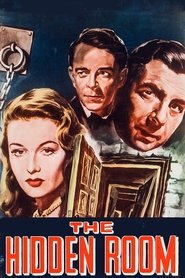
1940s3 titlesHThe Hidden Room1949 · as Storm Riordan56.5II Became a Criminal1947 · as Sally Connor56.3GGreen for Danger1946 · as Nurse Linley55.9

Browse the ranked list

you've reached the bottom
goodrecmovies
movies worth your night.

This product uses TMDB and the TMDB APIs but is not endorsed, certified, or otherwise approved by TMDB.

← back

Sally Gray

S
born1916
died2006
known forActing
titles on site3
avg GRM56.2
From Wikipedia, the free encyclopedia Constance Vera Browne, Baroness Oranmore and Browne (14 February 1916 – 24 September 2006), commonly known as Sally Gray, was an English movie actress of the 1930s and 1940s. Born Constance Vera Stevens in Holloway, London, Gray trained at Fay Compton’s School of Dramatic Art and became well established in the theatre before embarking on a series of light comedies, musicals and thrillers in the 1930s. Gray began in films in her teens with a bit part in School for Scandal (1930) and returned in 1935, making nearly twenty films, culminating in her sensitive role in Brian Desmond Hurst’s romantic melodrama Dangerous Moonlight (1941). She was off the screen for several years owing to an alleged nervous breakdown and then returned in 1946 to make her strongest bid for stardom. This latter involved a series of melodramas. They include the hospital thriller Green for Danger (1946), Carnival (1946), and The Mark of Cain (1948). She made two films that, in different ways, capture some of the essence of postwar Britain: Alberto Cavalcanti's They Made Me a Fugitive (1947) (as a gangster's moll) and the stagebound Silent Dust (1948). She also appeared in Edward Dmytryk's film noir piece Obsession (1949), in which she plays Robert Newton’s faithless wife. Her final film was the spy yarn Escape Route (1952). RKO Executives, impressed with Gray, authorized producer William Sistrom to offer her a long-term contract if she would move to the United States. John Paddy Carstairs, director of The Saint in London, also thought she could be a star. However, she declined the offer and instead retired in 1952 after secretly marrying Dominick Browne, 4th Baron Oranmore and Browne and lived in County Mayo, Ireland. In the early 1960s, they returned to England and settled in a flat in Eaton Place, Belgravia, in London. They had no children. Description above from the Wikipedia article Sally Gray, licensed under CC-BY-SA, full list of contributors on Wikipedia.

Filmography

ranked on this site

Browse the ranked list