
Acting

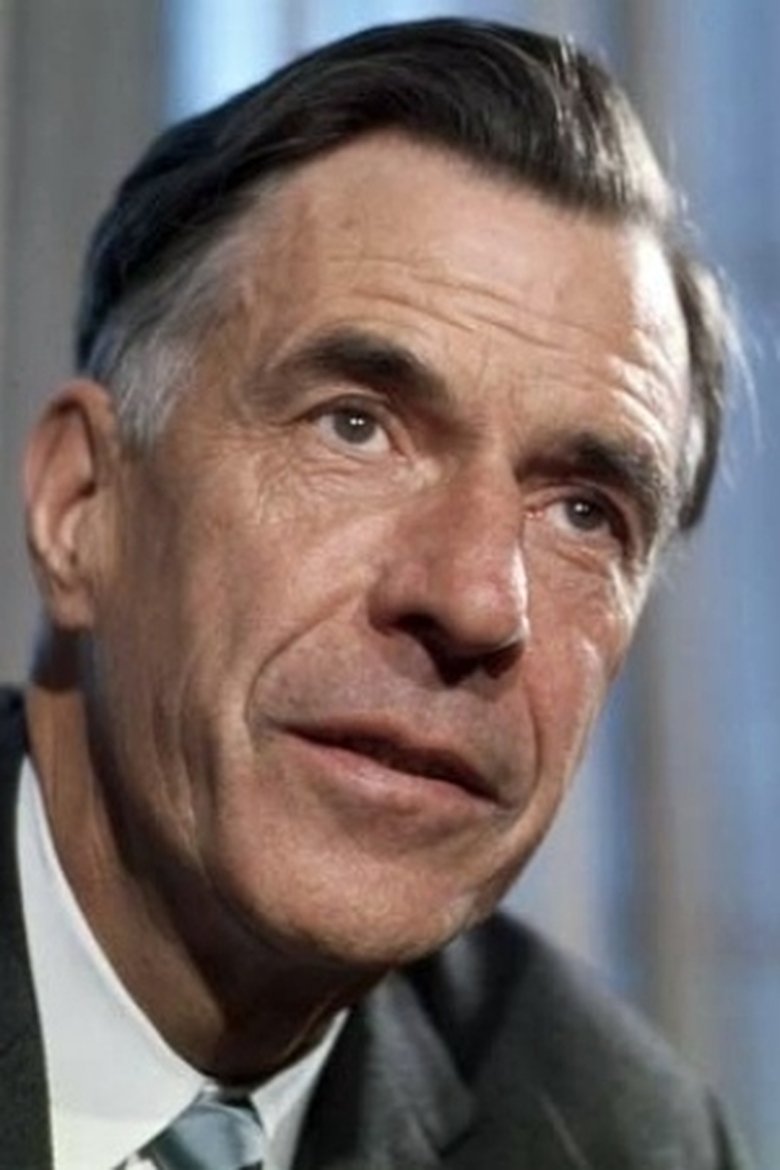
John Kenneth Galbraith

1908–2006 · Acting

64.0avg grm
1title
17honors

Honors

17
2000Presidential Medal of Freedom
2000Leontief Prize — Advancing the Frontiers of Economic Thought
1994Lysenko Prize
1993Lomonosov Gold Medal
1985Humanist of the Year
Honors
  • 2000Presidential Medal of Freedom
  • 2000Leontief Prize — Advancing the Frontiers of Economic Thought
  • 1994Lysenko Prize
  • 1993Lomonosov Gold Medal
  • 1985Humanist of the Year
  • 1985Four Freedoms Award – Freedom from Want
  • 1974honorary doctorate from University of Paris-II
  • 1972honorary doctor of the Katholieke Universiteit Leuven
  • 1959The Hillman Prize — Book Journalism
  • 1955Guggenheim Fellowship
  • 1946Medal of Freedom
  • —Padma Bhushan
  • —honorary citizenship
  • —Library of Congress Living Legend
  • —Officer of the Order of Canada
  • —Padma Vibhushan in literature & education
  • —Distinguished Fellow of the American Economic Association

Bio

John Kenneth Galbraith OC (October 15, 1908 – April 29, 2006), also known as Ken Galbraith, was a Canadian American economist, diplomat, public official, and intellectual. His books on economic topics were bestsellers from the 1950s through the 2000s. As an economist, he leaned toward post-Keynesian economics from an institutionalist perspective. Galbraith was a long-time Harvard faculty member and stayed with Harvard University for half a century as a professor of economics. He was a prolific author and wrote four dozen books, including several novels, and published more than a thousand articles and essays on various subjects. Among his works was a trilogy on economics, American Capitalism (1952), The Affluent Society (1958), and The New Industrial State (1967). Some of his work has been criticized by economists Milton Friedman, Paul Krugman, Robert Solow, and Thomas Sowell. Galbraith was active in Democratic Party politics, serving in the administrations of Franklin D. Roosevelt, Harry S. Truman, John F. Kennedy, and Lyndon B. Johnson. He served as United States Ambassador to India under the Kennedy administration. His political activism, literary output and outspokenness brought him wide fame during his lifetime. Galbraith was one of the few to receive both the World War II Medal of Freedom (1946) and the Presidential Medal of Freedom (2000) for his public service and contributions to science. Galbraith was born on October 15, 1908, to Canadians of Scottish descent, Sarah Catherine (Kendall) and Archibald "Archie" Galbraith, in Iona Station, Ontario, Canada, and was raised in Dunwich Township, Ontario. He had three siblings: Alice, Catherine, and Archibald William (Bill). By the time he was a teenager, he had adopted the name Ken, and later disliked being called John. Galbraith grew to be a very tall man, attaining a height of 6 feet 9 inches (206 cm). His father was a farmer, school teacher, head of a cooperative insurance company, and local official of the Liberal Party. His mother, a homemaker and a community activist, died when he was fourteen years old. The family farm was located on Thomson Line. Both of his parents were supporters of the United Farmers of Ontario in the 1920s. His early years were spent at a one-room school which is still standing, on 9468 Willey Road, in Iona Station. Later, he went to Dutton High School and St. Thomas High School. In 1931, Galbraith graduated with a Bachelor of Science in Agriculture from the Ontario Agricultural College, which was then an associate agricultural college of the University of Toronto. He majored in animal husbandry. He was awarded a Giannini Scholarship in Agricultural Economics (receiving $60 per month) that allowed him to travel to Berkeley, California, where he received masters and Doctor of Philosophy degrees in agricultural economics from the University of California, Berkeley. Galbraith was taught economics by Professor George Martin Peterson, and together they wrote an economics paper titled "The Concept of Marginal Land" in 1932 that was published in the American Journal of Agricultural Economics. ... Source: Article "John Kenneth Galbraith" from Wikipedia in English, licensed under CC-BY-SA 3.0.
Biography

John Kenneth Galbraith OC (October 15, 1908 – April 29, 2006), also known as Ken Galbraith, was a Canadian American economist, diplomat, public official, and intellectual. His books on economic topics were bestsellers from the 1950s through the 2000s. As an economist, he leaned toward post-Keynesian economics from an institutionalist perspective. Galbraith was a long-time Harvard faculty member and stayed with Harvard University for half a century as a professor of economics. He was a prolific author and wrote four dozen books, including several novels, and published more than a thousand articles and essays on various subjects. Among his works was a trilogy on economics, American Capitalism (1952), The Affluent Society (1958), and The New Industrial State (1967). Some of his work has been criticized by economists Milton Friedman, Paul Krugman, Robert Solow, and Thomas Sowell. Galbraith was active in Democratic Party politics, serving in the administrations of Franklin D. Roosevelt, Harry S. Truman, John F. Kennedy, and Lyndon B. Johnson. He served as United States Ambassador to India under the Kennedy administration. His political activism, literary output and outspokenness brought him wide fame during his lifetime. Galbraith was one of the few to receive both the World War II Medal of Freedom (1946) and the Presidential Medal of Freedom (2000) for his public service and contributions to science. Galbraith was born on October 15, 1908, to Canadians of Scottish descent, Sarah Catherine (Kendall) and Archibald "Archie" Galbraith, in Iona Station, Ontario, Canada, and was raised in Dunwich Township, Ontario. He had three siblings: Alice, Catherine, and Archibald William (Bill). By the time he was a teenager, he had adopted the name Ken, and later disliked being called John. Galbraith grew to be a very tall man, attaining a height of 6 feet 9 inches (206 cm). His father was a farmer, school teacher, head of a cooperative insurance company, and local official of the Liberal Party. His mother, a homemaker and a community activist, died when he was fourteen years old. The family farm was located on Thomson Line. Both of his parents were supporters of the United Farmers of Ontario in the 1920s. His early years were spent at a one-room school which is still standing, on 9468 Willey Road, in Iona Station. Later, he went to Dutton High School and St. Thomas High School. In 1931, Galbraith graduated with a Bachelor of Science in Agriculture from the Ontario Agricultural College, which was then an associate agricultural college of the University of Toronto. He majored in animal husbandry. He was awarded a Giannini Scholarship in Agricultural Economics (receiving $60 per month) that allowed him to travel to Berkeley, California, where he received masters and Doctor of Philosophy degrees in agricultural economics from the University of California, Berkeley. Galbraith was taught economics by Professor George Martin Peterson, and together they wrote an economics paper titled "The Concept of Marginal Land" in 1932 that was published in the American Journal of Agricultural Economics. ... Source: Article "John Kenneth Galbraith" from Wikipedia in English, licensed under CC-BY-SA 3.0.

Filmography

ranked on this site
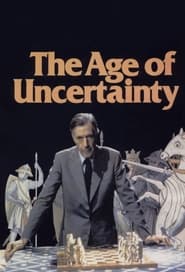
1970s1 titleAThe Age of Uncertainty1977 · as Self - Presenter · series64.0

Browse the ranked list

you've reached the bottom
goodrecmovies
movies worth your night.

This product uses TMDB and the TMDB APIs but is not endorsed, certified, or otherwise approved by TMDB.

← back

John Kenneth Galbraith

J
born1908
died2006
known forActing
titles on site1
avg GRM64.0
honors17 · Presidential Medal of Freedom, 2000
Honors
  • 2000Presidential Medal of Freedom
  • 2000Leontief Prize — Advancing the Frontiers of Economic Thought
  • 1994Lysenko Prize
  • 1993Lomonosov Gold Medal
  • 1985Humanist of the Year
  • 1985Four Freedoms Award – Freedom from Want
  • 1974honorary doctorate from University of Paris-II
  • 1972honorary doctor of the Katholieke Universiteit Leuven
  • 1959The Hillman Prize — Book Journalism
  • 1955Guggenheim Fellowship
  • 1946Medal of Freedom
  • —Padma Bhushan
  • —honorary citizenship
  • —Library of Congress Living Legend
  • —Officer of the Order of Canada
  • —Padma Vibhushan in literature & education
  • —Distinguished Fellow of the American Economic Association
John Kenneth Galbraith OC (October 15, 1908 – April 29, 2006), also known as Ken Galbraith, was a Canadian American economist, diplomat, public official, and intellectual. His books on economic topics were bestsellers from the 1950s through the 2000s. As an economist, he leaned toward post-Keynesian economics from an institutionalist perspective. Galbraith was a long-time Harvard faculty member and stayed with Harvard University for half a century as a professor of economics. He was a prolific author and wrote four dozen books, including several novels, and published more than a thousand articles and essays on various subjects. Among his works was a trilogy on economics, American Capitalism (1952), The Affluent Society (1958), and The New Industrial State (1967). Some of his work has been criticized by economists Milton Friedman, Paul Krugman, Robert Solow, and Thomas Sowell. Galbraith was active in Democratic Party politics, serving in the administrations of Franklin D. Roosevelt, Harry S. Truman, John F. Kennedy, and Lyndon B. Johnson. He served as United States Ambassador to India under the Kennedy administration. His political activism, literary output and outspokenness brought him wide fame during his lifetime. Galbraith was one of the few to receive both the World War II Medal of Freedom (1946) and the Presidential Medal of Freedom (2000) for his public service and contributions to science. Galbraith was born on October 15, 1908, to Canadians of Scottish descent, Sarah Catherine (Kendall) and Archibald "Archie" Galbraith, in Iona Station, Ontario, Canada, and was raised in Dunwich Township, Ontario. He had three siblings: Alice, Catherine, and Archibald William (Bill). By the time he was a teenager, he had adopted the name Ken, and later disliked being called John. Galbraith grew to be a very tall man, attaining a height of 6 feet 9 inches (206 cm). His father was a farmer, school teacher, head of a cooperative insurance company, and local official of the Liberal Party. His mother, a homemaker and a community activist, died when he was fourteen years old. The family farm was located on Thomson Line. Both of his parents were supporters of the United Farmers of Ontario in the 1920s. His early years were spent at a one-room school which is still standing, on 9468 Willey Road, in Iona Station. Later, he went to Dutton High School and St. Thomas High School. In 1931, Galbraith graduated with a Bachelor of Science in Agriculture from the Ontario Agricultural College, which was then an associate agricultural college of the University of Toronto. He majored in animal husbandry. He was awarded a Giannini Scholarship in Agricultural Economics (receiving $60 per month) that allowed him to travel to Berkeley, California, where he received masters and Doctor of Philosophy degrees in agricultural economics from the University of California, Berkeley. Galbraith was taught economics by Professor George Martin Peterson, and together they wrote an economics paper titled "The Concept of Marginal Land" in 1932 that was published in the American Journal of Agricultural Economics. ... Source: Article "John Kenneth Galbraith" from Wikipedia in English, licensed under CC-BY-SA 3.0.

Filmography

ranked on this site

Browse the ranked list