
Production

Thomas A. Edison

1847–1931 · Production

59.0avg grm
1title
20honors

Honors

20
2010Technical Grammy Award
2008New Jersey Hall of Fame
1977Grammy Trustees Award
1973National Inventors Hall of Fame
1929John Scott Award
Honors
  • 2010Technical Grammy Award
  • 2008New Jersey Hall of Fame
  • 1977Grammy Trustees Award
  • 1973National Inventors Hall of Fame
  • 1929John Scott Award
  • 1928Congressional Gold Medal
  • 1920Navy Distinguished Service Medal
  • 1915Franklin Medal
  • 1908John Fritz Medal
  • 1899Edward Longstreth Medal
  • 1895Rumford Prize
  • 1892Albert Medal
  • 1889Commander of the Legion of Honour
  • 1889grand officer of the Order of the Crown of Italy
  • 1887Matteucci Medal
  • 1881Officer of the Legion of Honour
  • 1879Knight of the Legion of Honour
  • —Benjamin Franklin Medal
  • —star on Hollywood Walk of Fame
  • —honorary doctor of Rutgers University

Bio

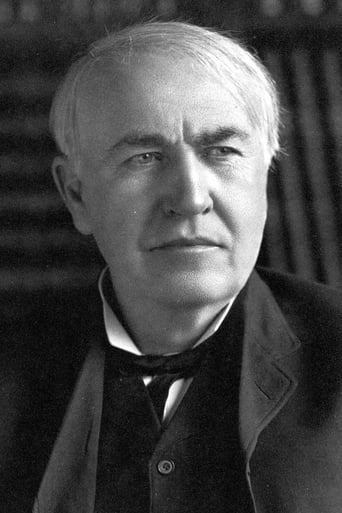
Thomas Alva Edison (February 11, 1847 – October 18, 1931) was an American inventor and businessman who has been described as America's greatest inventor. He developed many devices in fields such as electric power generation, mass communication, sound recording, and motion pictures. These inventions, which include the phonograph, the motion picture camera, and the long-lasting, practical electric light bulb, have had a widespread impact on the modern industrialized world. He was one of the first inventors to apply the principles of organized science and teamwork to the process of invention, working with many researchers and employees. He established the first industrial research laboratory. Edison was raised in the American Midwest; early in his career he worked as a telegraph operator, which inspired some of his earliest inventions. In 1876, he established his first laboratory facility in Menlo Park, New Jersey, where many of his early inventions were developed. He later established a botanic laboratory in Fort Myers, Florida in collaboration with businessmen Henry Ford and Harvey Firestone, and a laboratory in West Orange, New Jersey that featured the world's first film studio, the Black Maria. He was a prolific inventor, holding 1,093 US patents in his name, as well as patents in other countries. Edison married twice and fathered six children. He died in 1931 of the complications of diabetes.
Biography

Thomas Alva Edison (February 11, 1847 – October 18, 1931) was an American inventor and businessman who has been described as America's greatest inventor. He developed many devices in fields such as electric power generation, mass communication, sound recording, and motion pictures. These inventions, which include the phonograph, the motion picture camera, and the long-lasting, practical electric light bulb, have had a widespread impact on the modern industrialized world. He was one of the first inventors to apply the principles of organized science and teamwork to the process of invention, working with many researchers and employees. He established the first industrial research laboratory. Edison was raised in the American Midwest; early in his career he worked as a telegraph operator, which inspired some of his earliest inventions. In 1876, he established his first laboratory facility in Menlo Park, New Jersey, where many of his early inventions were developed. He later established a botanic laboratory in Fort Myers, Florida in collaboration with businessmen Henry Ford and Harvey Firestone, and a laboratory in West Orange, New Jersey that featured the world's first film studio, the Black Maria. He was a prolific inventor, holding 1,093 US patents in his name, as well as patents in other countries. Edison married twice and fathered six children. He died in 1931 of the complications of diabetes.

Filmography

ranked on this site
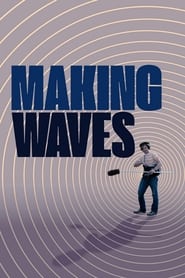
2010s1 titleMMaking Waves: The Art of Cinematic Sound2019 · as Self59.0

Browse the ranked list

you've reached the bottom
goodrecmovies
movies worth your night.

This product uses TMDB and the TMDB APIs but is not endorsed, certified, or otherwise approved by TMDB.

← back

Thomas A. Edison

T
born1847
died1931
known forProduction
titles on site1
avg GRM59.0
honors20 · Technical Grammy Award, 2010
Honors
  • 2010Technical Grammy Award
  • 2008New Jersey Hall of Fame
  • 1977Grammy Trustees Award
  • 1973National Inventors Hall of Fame
  • 1929John Scott Award
  • 1928Congressional Gold Medal
  • 1920Navy Distinguished Service Medal
  • 1915Franklin Medal
  • 1908John Fritz Medal
  • 1899Edward Longstreth Medal
  • 1895Rumford Prize
  • 1892Albert Medal
  • 1889Commander of the Legion of Honour
  • 1889grand officer of the Order of the Crown of Italy
  • 1887Matteucci Medal
  • 1881Officer of the Legion of Honour
  • 1879Knight of the Legion of Honour
  • —Benjamin Franklin Medal
  • —star on Hollywood Walk of Fame
  • —honorary doctor of Rutgers University
Thomas Alva Edison (February 11, 1847 – October 18, 1931) was an American inventor and businessman who has been described as America's greatest inventor. He developed many devices in fields such as electric power generation, mass communication, sound recording, and motion pictures. These inventions, which include the phonograph, the motion picture camera, and the long-lasting, practical electric light bulb, have had a widespread impact on the modern industrialized world. He was one of the first inventors to apply the principles of organized science and teamwork to the process of invention, working with many researchers and employees. He established the first industrial research laboratory. Edison was raised in the American Midwest; early in his career he worked as a telegraph operator, which inspired some of his earliest inventions. In 1876, he established his first laboratory facility in Menlo Park, New Jersey, where many of his early inventions were developed. He later established a botanic laboratory in Fort Myers, Florida in collaboration with businessmen Henry Ford and Harvey Firestone, and a laboratory in West Orange, New Jersey that featured the world's first film studio, the Black Maria. He was a prolific inventor, holding 1,093 US patents in his name, as well as patents in other countries. Edison married twice and fathered six children. He died in 1931 of the complications of diabetes.

Filmography

ranked on this site

Browse the ranked list