
Directing

Yves Courrière

1935–2012 · Directing

64.1avg grm
2titles
5honors

Honors

5
1995Joseph-Kessel Prize
1995Feuille d'or de la ville de Nancy
1986Paulée de Meursault Prize
1970Broquette-Gonin prize
1966Albert Londres Prize

Bio

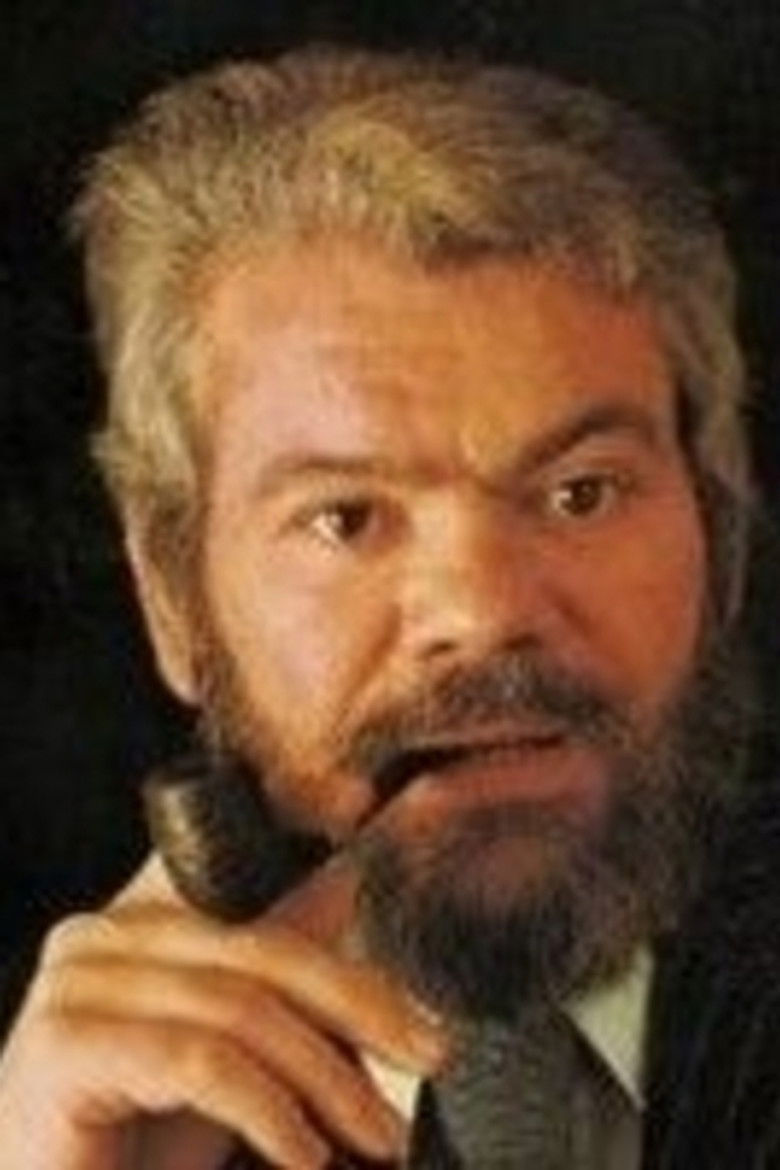
Yves Courrière, real name Gérard Bon (12 October 1935 – 8 May 2012) was a French writer, biographer and journalist. As a child Courrière read Albert Londres, Oscar Wilde and became passionate about adventure stories. As a journalist, in 1957 he joined the editorial staff of Radio-Luxembourg and participated in Armand Jammot's 10 Millions d'auditeurs, first radio magazine of the post-war period. He was then sent to report in 1958 to follow the voyages of General de Gaulle to Africa, and went to countries affected by armed conflicts, civil wars or revolutions, notably in India, the Middle East, and Algeria. He covered the Algerian war and obtained the Albert Londres Prize in 1966 for his articles on Latin America. From these events, Courrière derived a monumental work that is still being referred to, a landmark in its proximity to the end of the conflict as well as the quality of the sources he obtained. On its release, La Guerre d'Algérie was rewarded by the Prix de l'Académie française and was published to more than one million copies. Courrière covered the Eichmann's trial in 1961, the inaugural crossing of the France in 1962, imposing himself as one of the great signatures of journalism. In 1967, he led the first edition of Les Dossiers de l'écran on the second channel of the ORTF, a program that will host other presenters during its 24 years of broadcasting. He decided from 1968 to stop his activity as reporter to dedicate himself to a career of writer. In particular, he published novels and biographies of emblematic personalities from the first half of the twentieth century such as Joseph Kessel, Jacques Prévert, Roger Vailland or Pierre Lazareff. In September 1971, he created the weekly magazine Historia Magazine - La Guerre d'Algérie of which he took the direction, the magazine was published by Éditions Tallandier, the last issue was published in January 1974. In 1972, along director Philippe Monnier, he realized the first documentary devoted to the war in Algeria. This film is considered the reference on this conflict. Courrière met Roger Vailland the day on which the latter received the Prix Goncourt for his novel The Law in December 1957. Roger Vailland was still under the spell of the break with "his communist season" where he felt "like dead" he wrote in his Écrits intimes. To get him out of the depression into which he was falling, his wife Elisabeth took him to his country, Italy, in the Apulia, that hard region, with the crystallized relations he describes so well in his novel. They saw themselves episodically, too caught up in their activities as great reporters. In the spring of 1961, they met in Jerusalem to cover the Eichmann's trial. There, Vailland introduced him to his friend Joseph Kessel whom he had known before the war at Paris-Soir and who became for Courrière an exemplary man of which he will write a very documented biography like that which he devoted to Roger Vailland in 1991. Source: Article "Yves Courrière" from Wikipedia in English, licensed under CC-BY-SA 3.0.
Biography

Yves Courrière, real name Gérard Bon (12 October 1935 – 8 May 2012) was a French writer, biographer and journalist. As a child Courrière read Albert Londres, Oscar Wilde and became passionate about adventure stories. As a journalist, in 1957 he joined the editorial staff of Radio-Luxembourg and participated in Armand Jammot's 10 Millions d'auditeurs, first radio magazine of the post-war period. He was then sent to report in 1958 to follow the voyages of General de Gaulle to Africa, and went to countries affected by armed conflicts, civil wars or revolutions, notably in India, the Middle East, and Algeria. He covered the Algerian war and obtained the Albert Londres Prize in 1966 for his articles on Latin America. From these events, Courrière derived a monumental work that is still being referred to, a landmark in its proximity to the end of the conflict as well as the quality of the sources he obtained. On its release, La Guerre d'Algérie was rewarded by the Prix de l'Académie française and was published to more than one million copies. Courrière covered the Eichmann's trial in 1961, the inaugural crossing of the France in 1962, imposing himself as one of the great signatures of journalism. In 1967, he led the first edition of Les Dossiers de l'écran on the second channel of the ORTF, a program that will host other presenters during its 24 years of broadcasting. He decided from 1968 to stop his activity as reporter to dedicate himself to a career of writer. In particular, he published novels and biographies of emblematic personalities from the first half of the twentieth century such as Joseph Kessel, Jacques Prévert, Roger Vailland or Pierre Lazareff. In September 1971, he created the weekly magazine Historia Magazine - La Guerre d'Algérie of which he took the direction, the magazine was published by Éditions Tallandier, the last issue was published in January 1974. In 1972, along director Philippe Monnier, he realized the first documentary devoted to the war in Algeria. This film is considered the reference on this conflict. Courrière met Roger Vailland the day on which the latter received the Prix Goncourt for his novel The Law in December 1957. Roger Vailland was still under the spell of the break with "his communist season" where he felt "like dead" he wrote in his Écrits intimes. To get him out of the depression into which he was falling, his wife Elisabeth took him to his country, Italy, in the Apulia, that hard region, with the crystallized relations he describes so well in his novel. They saw themselves episodically, too caught up in their activities as great reporters. In the spring of 1961, they met in Jerusalem to cover the Eichmann's trial. There, Vailland introduced him to his friend Joseph Kessel whom he had known before the war at Paris-Soir and who became for Courrière an exemplary man of which he will write a very documented biography like that which he devoted to Roger Vailland in 1991. Source: Article "Yves Courrière" from Wikipedia in English, licensed under CC-BY-SA 3.0.

Filmography

ranked on this site
1960s2 titlesLLes dossiers de l'écran1967 · as Self - Host · series64.1LLes dossiers de l'écran1967 · as Self · series64.1

Browse the ranked list

you've reached the bottom
goodrecmovies
movies worth your night.

This product uses TMDB and the TMDB APIs but is not endorsed, certified, or otherwise approved by TMDB.

← back

Yves Courrière

Y
born1935
died2012
known forDirecting
titles on site2
avg GRM64.1
honors5 · Joseph-Kessel Prize, 1995
Honors
  • 1995Joseph-Kessel Prize
  • 1995Feuille d'or de la ville de Nancy
  • 1986Paulée de Meursault Prize
  • 1970Broquette-Gonin prize
  • 1966Albert Londres Prize
Yves Courrière, real name Gérard Bon (12 October 1935 – 8 May 2012) was a French writer, biographer and journalist. As a child Courrière read Albert Londres, Oscar Wilde and became passionate about adventure stories. As a journalist, in 1957 he joined the editorial staff of Radio-Luxembourg and participated in Armand Jammot's 10 Millions d'auditeurs, first radio magazine of the post-war period. He was then sent to report in 1958 to follow the voyages of General de Gaulle to Africa, and went to countries affected by armed conflicts, civil wars or revolutions, notably in India, the Middle East, and Algeria. He covered the Algerian war and obtained the Albert Londres Prize in 1966 for his articles on Latin America. From these events, Courrière derived a monumental work that is still being referred to, a landmark in its proximity to the end of the conflict as well as the quality of the sources he obtained. On its release, La Guerre d'Algérie was rewarded by the Prix de l'Académie française and was published to more than one million copies. Courrière covered the Eichmann's trial in 1961, the inaugural crossing of the France in 1962, imposing himself as one of the great signatures of journalism. In 1967, he led the first edition of Les Dossiers de l'écran on the second channel of the ORTF, a program that will host other presenters during its 24 years of broadcasting. He decided from 1968 to stop his activity as reporter to dedicate himself to a career of writer. In particular, he published novels and biographies of emblematic personalities from the first half of the twentieth century such as Joseph Kessel, Jacques Prévert, Roger Vailland or Pierre Lazareff. In September 1971, he created the weekly magazine Historia Magazine - La Guerre d'Algérie of which he took the direction, the magazine was published by Éditions Tallandier, the last issue was published in January 1974. In 1972, along director Philippe Monnier, he realized the first documentary devoted to the war in Algeria. This film is considered the reference on this conflict. Courrière met Roger Vailland the day on which the latter received the Prix Goncourt for his novel The Law in December 1957. Roger Vailland was still under the spell of the break with "his communist season" where he felt "like dead" he wrote in his Écrits intimes. To get him out of the depression into which he was falling, his wife Elisabeth took him to his country, Italy, in the Apulia, that hard region, with the crystallized relations he describes so well in his novel. They saw themselves episodically, too caught up in their activities as great reporters. In the spring of 1961, they met in Jerusalem to cover the Eichmann's trial. There, Vailland introduced him to his friend Joseph Kessel whom he had known before the war at Paris-Soir and who became for Courrière an exemplary man of which he will write a very documented biography like that which he devoted to Roger Vailland in 1991. Source: Article "Yves Courrière" from Wikipedia in English, licensed under CC-BY-SA 3.0.

Filmography

ranked on this site

Browse the ranked list