Acting

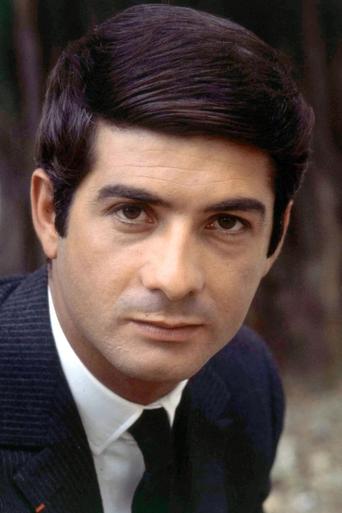
Jean-Claude Brialy

1933–2007 · Acting

59.3avg grm
15titles
#1,983best rank
7honors
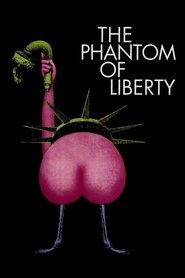
Pbest title · #1,983 on siteThe Phantom of Liberty1974 · as Mr. Foucauld71.1

Honors

7
1988César Award — Best Supporting Actor
1994Officer of the Legion of Honour
2003Commander of the Legion of Honour
1986Knight of the Legion of Honour
1990Officer of the National Order of Merit
Honors
  • 1988César Award — Best Supporting Actor
  • 1994Officer of the Legion of Honour
  • 2003Commander of the Legion of Honour
  • 1986Knight of the Legion of Honour
  • 1990Officer of the National Order of Merit
  • 1999Commander of the National Order of Merit
  • —Jean-Le-Duc award

Bio

Jean-Claude Brialy (30 March 1933 – 30 May 2007) was a French actor and film director. Brialy was born in Aumale (now Sour El-Ghozlane), French Algeria, where his father was stationed with the French Army. Brialy moved to mainland France with his family in 1942. He was an alumnus of the Prytanée National Militaire. When he was 21 years old, he went to Paris to work as an actor. In 1956, Brialy acted in his first role in the short film Le coup du berger (Fool's Mate) by Jacques Rivette. By the late 1950s, he'd become one of the most prolific actors in the French nouvelle vague and a star. He appeared in films of nouvelle vague directors such as Claude Chabrol (Le Beau Serge, 1958; Les Cousins, 1959), Louis Malle (Ascenseur pour l'échafaud, 1958; Les Amants, 1958), François Truffaut (Les 400 Coups, 1959), Jean-Luc Godard, (Une femme est une femme, 1961), Éric Rohmer (Claire's Knee, 1970), as well as in films of other filmmakers such as Jean Renoir (Elena et les hommes 1958), Roger Vadim (La ronde, 1964), Philippe de Broca (Le Roi de cœur, 1966), Luis Buñuel (Le Fantôme de la liberté, 1974), and Claude Lelouch (Robert et Robert, 1978). In 2006, he appeared in his last role, as the eponymous character of the TV film Monsieur Max, directed by Gabriel Aghion. Godard described him as "the French Cary Grant," while Brialy's self-described "life models" had reportedly been actor Sacha Guitry and director Jean Cocteau. Brialy directed a number of films, including Églantine in 1971, which was loosely inspired by his own memories of a happy childhood spent in Chambellay with his grandparents, and Les volets clos (Closed shutters) in 1972. He owned the restaurant L'Orangerie, on the Île Saint-Louis; he'd also worked as a TV presenter, a singer, and a radio host. During the presentation of one of his books, Brialy described himself this way: "I'm a boy who got lucky enough to do what I love in life". Brialy, in 1959, acquired a château in the commune of Monthyon, near Paris. There, he accommodated and entertained many friends from the cinema and the theatre, such as Jean Marais, Pierre Arditi, and Romy Schneider whom he'd met during the 1958 production of the film Christine. Schneider, after the 1981 fatal accident of her son David, found a "refuge from the paparazzi" in Brialy's home. French singer Barbara would often sing at the piano. Director Jean-Pierre Melville used the château to shoot the last scenes of his 1970 crime film Le Cercle Rouge, where Alain Delon and Yves Montand are killed by the police. In his books, the autobiographical Le Ruisseau des singes (The river of monkeys) (2000) and the memoir J'ai oublié de vous dire (I Forgot to Tell You) (2004), Brialy revealed that he was bisexual. ... Source: Article "Jean-Claude Brialy" from Wikipedia in English, licensed under CC-BY-SA.

Biography

Jean-Claude Brialy (30 March 1933 – 30 May 2007) was a French actor and film director. Brialy was born in Aumale (now Sour El-Ghozlane), French Algeria, where his father was stationed with the French Army. Brialy moved to mainland France with his family in 1942. He was an alumnus of the Prytanée National Militaire. When he was 21 years old, he went to Paris to work as an actor. In 1956, Brialy acted in his first role in the short film Le coup du berger (Fool's Mate) by Jacques Rivette. By the late 1950s, he'd become one of the most prolific actors in the French nouvelle vague and a star. He appeared in films of nouvelle vague directors such as Claude Chabrol (Le Beau Serge, 1958; Les Cousins, 1959), Louis Malle (Ascenseur pour l'échafaud, 1958; Les Amants, 1958), François Truffaut (Les 400 Coups, 1959), Jean-Luc Godard, (Une femme est une femme, 1961), Éric Rohmer (Claire's Knee, 1970), as well as in films of other filmmakers such as Jean Renoir (Elena et les hommes 1958), Roger Vadim (La ronde, 1964), Philippe de Broca (Le Roi de cœur, 1966), Luis Buñuel (Le Fantôme de la liberté, 1974), and Claude Lelouch (Robert et Robert, 1978). In 2006, he appeared in his last role, as the eponymous character of the TV film Monsieur Max, directed by Gabriel Aghion. Godard described him as "the French Cary Grant," while Brialy's self-described "life models" had reportedly been actor Sacha Guitry and director Jean Cocteau. Brialy directed a number of films, including Églantine in 1971, which was loosely inspired by his own memories of a happy childhood spent in Chambellay with his grandparents, and Les volets clos (Closed shutters) in 1972. He owned the restaurant L'Orangerie, on the Île Saint-Louis; he'd also worked as a TV presenter, a singer, and a radio host. During the presentation of one of his books, Brialy described himself this way: "I'm a boy who got lucky enough to do what I love in life". Brialy, in 1959, acquired a château in the commune of Monthyon, near Paris. There, he accommodated and entertained many friends from the cinema and the theatre, such as Jean Marais, Pierre Arditi, and Romy Schneider whom he'd met during the 1958 production of the film Christine. Schneider, after the 1981 fatal accident of her son David, found a "refuge from the paparazzi" in Brialy's home. French singer Barbara would often sing at the piano. Director Jean-Pierre Melville used the château to shoot the last scenes of his 1970 crime film Le Cercle Rouge, where Alain Delon and Yves Montand are killed by the police. In his books, the autobiographical Le Ruisseau des singes (The river of monkeys) (2000) and the memoir J'ai oublié de vous dire (I Forgot to Tell You) (2004), Brialy revealed that he was bisexual. ... Source: Article "Jean-Claude Brialy" from Wikipedia in English, licensed under CC-BY-SA.

Filmography

ranked on this site
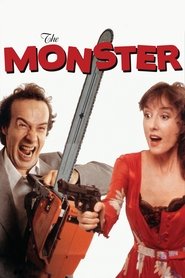
1990s1 titleMThe Monster1994 · as Roccarotta55.4
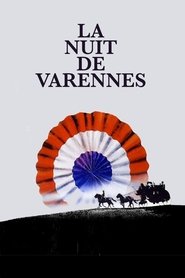
1980s1 titleTThat Night in Varennes1982 · as Monsieur Jacob56.0
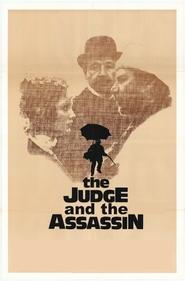
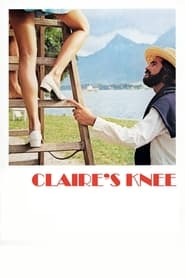
1970s4 titlesJThe Judge and the Assassin1976 · as Le procureur De Villedieu56.8PThe Phantom of Liberty1974 · as Mr. Foucauld71.1PThe Phantom of Liberty1974 · as Foucauld71.1CClaire's Knee1970 · as Jérôme56.6
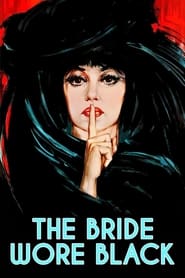
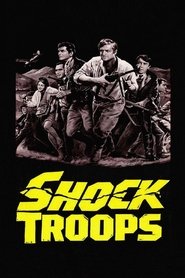
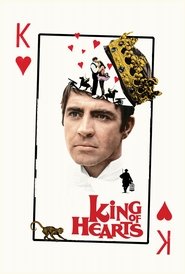
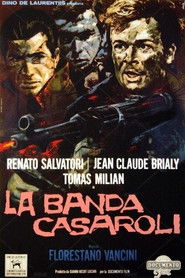
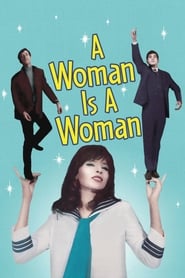
1960s6 titlesBThe Bride Wore Black1968 · as Corey54.2SShock Troops1967 · as Jean56.9KKing of Hearts1966 · as Le Duc de Trèfle56.2II Knew Her Well1965 · as Dario Marchionni59.0LLa banda Casaroli1962 · as Corrado Minguzzi58.4AA Woman Is a Woman1961 · as Émile Récamier70.5
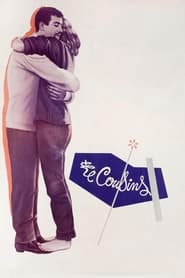
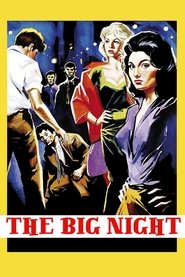
1950s3 titlesBThe Big Night1959 · as Scintillone57.1CThe Cousins1959 · as Paul Thomas55.6LLe Beau Serge1958 · as François Baillou54.5

Browse the ranked list

you've reached the bottom
goodrecmovies
movies worth your night.

This product uses TMDB and the TMDB APIs but is not endorsed, certified, or otherwise approved by TMDB.

← back

Jean-Claude Brialy

J
born1933
died2007
known forActing
titles on site15
best title rank#1,983 · The Phantom of Liberty (1974)
avg GRM59.3
honors7 · César Award — Best Supporting Actor, 1988
Honors
  • 1988César Award — Best Supporting Actor
  • 1994Officer of the Legion of Honour
  • 2003Commander of the Legion of Honour
  • 1986Knight of the Legion of Honour
  • 1990Officer of the National Order of Merit
  • 1999Commander of the National Order of Merit
  • —Jean-Le-Duc award
Jean-Claude Brialy (30 March 1933 – 30 May 2007) was a French actor and film director. Brialy was born in Aumale (now Sour El-Ghozlane), French Algeria, where his father was stationed with the French Army. Brialy moved to mainland France with his family in 1942. He was an alumnus of the Prytanée National Militaire. When he was 21 years old, he went to Paris to work as an actor. In 1956, Brialy acted in his first role in the short film Le coup du berger (Fool's Mate) by Jacques Rivette. By the late 1950s, he'd become one of the most prolific actors in the French nouvelle vague and a star. He appeared in films of nouvelle vague directors such as Claude Chabrol (Le Beau Serge, 1958; Les Cousins, 1959), Louis Malle (Ascenseur pour l'échafaud, 1958; Les Amants, 1958), François Truffaut (Les 400 Coups, 1959), Jean-Luc Godard, (Une femme est une femme, 1961), Éric Rohmer (Claire's Knee, 1970), as well as in films of other filmmakers such as Jean Renoir (Elena et les hommes 1958), Roger Vadim (La ronde, 1964), Philippe de Broca (Le Roi de cœur, 1966), Luis Buñuel (Le Fantôme de la liberté, 1974), and Claude Lelouch (Robert et Robert, 1978). In 2006, he appeared in his last role, as the eponymous character of the TV film Monsieur Max, directed by Gabriel Aghion. Godard described him as "the French Cary Grant," while Brialy's self-described "life models" had reportedly been actor Sacha Guitry and director Jean Cocteau. Brialy directed a number of films, including Églantine in 1971, which was loosely inspired by his own memories of a happy childhood spent in Chambellay with his grandparents, and Les volets clos (Closed shutters) in 1972. He owned the restaurant L'Orangerie, on the Île Saint-Louis; he'd also worked as a TV presenter, a singer, and a radio host. During the presentation of one of his books, Brialy described himself this way: "I'm a boy who got lucky enough to do what I love in life". Brialy, in 1959, acquired a château in the commune of Monthyon, near Paris. There, he accommodated and entertained many friends from the cinema and the theatre, such as Jean Marais, Pierre Arditi, and Romy Schneider whom he'd met during the 1958 production of the film Christine. Schneider, after the 1981 fatal accident of her son David, found a "refuge from the paparazzi" in Brialy's home. French singer Barbara would often sing at the piano. Director Jean-Pierre Melville used the château to shoot the last scenes of his 1970 crime film Le Cercle Rouge, where Alain Delon and Yves Montand are killed by the police. In his books, the autobiographical Le Ruisseau des singes (The river of monkeys) (2000) and the memoir J'ai oublié de vous dire (I Forgot to Tell You) (2004), Brialy revealed that he was bisexual. ... Source: Article "Jean-Claude Brialy" from Wikipedia in English, licensed under CC-BY-SA.

Filmography

ranked on this site

Browse the ranked list