Jules Berry

1883–1951 · Acting

57.4avg grm
5titles

Bio

Jules Berry (born Marie Louis Jules Paufichet; 9 February 1883 – 23 April 1951) was a French actor. Berry and his two brothers were born to parents who sold hardware and settled in Poitou. The family moved to Paris in 1888. Berry completed his studies at the Lycée Louis-le-Grand and then graduated from École nationale supérieure des Beaux-Arts. It was during his studies that Berry developed an interest in the theater. Following an audition, he was hired by the Théâtre Antoine-Simone Berriau to act in La Mort du duc d'Enghien by Léon Hennique, and Le Perroquet vert by Arthur Schnitzler. Later he performed at the Théâtre de l'Ambigu-Comique and the Théâtre de l'Athénée. During a tour in Lyon, he was noticed by Jean-François Ponson, who hired him for a period of 12 years at the Théâtre royal des Galeries Saint-Hubert in Brussels. Audiences in Brussels gave him a warm welcome, where he played in productions such as Le Mariage de mademoiselle Beulemans. Berry subsequently performed in 30 successful plays for Marcel Achard, Alfred Savoir, Louis Verneuil, and Roger Ferdinand. One of Berry's first movie roles was the silent film Oliver Cromwell (1911) directed by Henri Desfontaines. His first appearance in a talking picture was Mon coeur et ses millions (1931) with Suzy Prim. Over the course of his career, Berry acted in 89 motion pictures. Bombastic, extravagant, and whimsical, Berry was as flamboyant as any entertainer of the period, including Pierre Brasseur. Berry is often considered one of the greatest actors in the history of French cinema. Among Berry's best films are: The Crime of Monsieur Lange by Jean Renoir, Les Visiteurs du Soir by Marcel Carné, Le Jour Se Lève by Marcel Carné, Strange Inheritance by Louis Daquin, Baccara by Yves Mirande, 27 Rue de la Paix by Richard Pottier and L'Habit vert by Roger Richebé. Berry ended his film career in 1951 to interpret the texts of Jacques Prévert. Berry was romantically involved with actresses Jane Marken, Suzy Prim, and Josseline Gaël. He and Gaël had a daughter named Michelle in 1939. A compulsive gambler, Berry frequented casinos and horse races. In April 1951, Berry was admitted to the Hôpital Broussais, where he died of a heart attack caused by treatment for rheumatism. He is buried in the Père Lachaise Cemetery (division 80). Source: Article "Jules Berry" from Wikipedia in English, licensed under CC-BY-SA 3.0.

Biography

Jules Berry (born Marie Louis Jules Paufichet; 9 February 1883 – 23 April 1951) was a French actor. Berry and his two brothers were born to parents who sold hardware and settled in Poitou. The family moved to Paris in 1888. Berry completed his studies at the Lycée Louis-le-Grand and then graduated from École nationale supérieure des Beaux-Arts. It was during his studies that Berry developed an interest in the theater. Following an audition, he was hired by the Théâtre Antoine-Simone Berriau to act in La Mort du duc d'Enghien by Léon Hennique, and Le Perroquet vert by Arthur Schnitzler. Later he performed at the Théâtre de l'Ambigu-Comique and the Théâtre de l'Athénée. During a tour in Lyon, he was noticed by Jean-François Ponson, who hired him for a period of 12 years at the Théâtre royal des Galeries Saint-Hubert in Brussels. Audiences in Brussels gave him a warm welcome, where he played in productions such as Le Mariage de mademoiselle Beulemans. Berry subsequently performed in 30 successful plays for Marcel Achard, Alfred Savoir, Louis Verneuil, and Roger Ferdinand. One of Berry's first movie roles was the silent film Oliver Cromwell (1911) directed by Henri Desfontaines. His first appearance in a talking picture was Mon coeur et ses millions (1931) with Suzy Prim. Over the course of his career, Berry acted in 89 motion pictures. Bombastic, extravagant, and whimsical, Berry was as flamboyant as any entertainer of the period, including Pierre Brasseur. Berry is often considered one of the greatest actors in the history of French cinema. Among Berry's best films are: The Crime of Monsieur Lange by Jean Renoir, Les Visiteurs du Soir by Marcel Carné, Le Jour Se Lève by Marcel Carné, Strange Inheritance by Louis Daquin, Baccara by Yves Mirande, 27 Rue de la Paix by Richard Pottier and L'Habit vert by Roger Richebé. Berry ended his film career in 1951 to interpret the texts of Jacques Prévert. Berry was romantically involved with actresses Jane Marken, Suzy Prim, and Josseline Gaël. He and Gaël had a daughter named Michelle in 1939. A compulsive gambler, Berry frequented casinos and horse races. In April 1951, Berry was admitted to the Hôpital Broussais, where he died of a heart attack caused by treatment for rheumatism. He is buried in the Père Lachaise Cemetery (division 80). Source: Article "Jules Berry" from Wikipedia in English, licensed under CC-BY-SA 3.0.

Filmography

ranked on this site
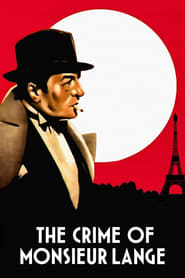
1940s2 titlesLLe voyageur de la Toussaint1943 · as Plantel58.4DThe Devil's Envoys1942 · as Le diable56.0
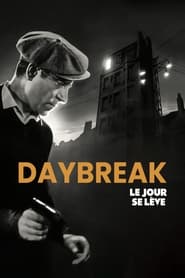
1930s2 titlesDDaybreak1939 · as M. Valentin59.1CThe Crime of Monsieur Lange1936 · as Batala55.5
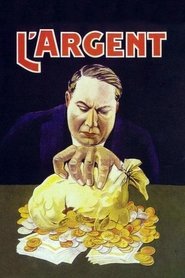
1920s1 titleLL'Argent1928 · as Huret, le journaliste58.0

Browse the ranked list

you've reached the bottom
goodrecmovies
movies worth your night.

This product uses TMDB and the TMDB APIs but is not endorsed, certified, or otherwise approved by TMDB.

← back

Jules Berry

J
born1883
died1951
known forActing
titles on site5
avg GRM57.4
Jules Berry (born Marie Louis Jules Paufichet; 9 February 1883 – 23 April 1951) was a French actor. Berry and his two brothers were born to parents who sold hardware and settled in Poitou. The family moved to Paris in 1888. Berry completed his studies at the Lycée Louis-le-Grand and then graduated from École nationale supérieure des Beaux-Arts. It was during his studies that Berry developed an interest in the theater. Following an audition, he was hired by the Théâtre Antoine-Simone Berriau to act in La Mort du duc d'Enghien by Léon Hennique, and Le Perroquet vert by Arthur Schnitzler. Later he performed at the Théâtre de l'Ambigu-Comique and the Théâtre de l'Athénée. During a tour in Lyon, he was noticed by Jean-François Ponson, who hired him for a period of 12 years at the Théâtre royal des Galeries Saint-Hubert in Brussels. Audiences in Brussels gave him a warm welcome, where he played in productions such as Le Mariage de mademoiselle Beulemans. Berry subsequently performed in 30 successful plays for Marcel Achard, Alfred Savoir, Louis Verneuil, and Roger Ferdinand. One of Berry's first movie roles was the silent film Oliver Cromwell (1911) directed by Henri Desfontaines. His first appearance in a talking picture was Mon coeur et ses millions (1931) with Suzy Prim. Over the course of his career, Berry acted in 89 motion pictures. Bombastic, extravagant, and whimsical, Berry was as flamboyant as any entertainer of the period, including Pierre Brasseur. Berry is often considered one of the greatest actors in the history of French cinema. Among Berry's best films are: The Crime of Monsieur Lange by Jean Renoir, Les Visiteurs du Soir by Marcel Carné, Le Jour Se Lève by Marcel Carné, Strange Inheritance by Louis Daquin, Baccara by Yves Mirande, 27 Rue de la Paix by Richard Pottier and L'Habit vert by Roger Richebé. Berry ended his film career in 1951 to interpret the texts of Jacques Prévert. Berry was romantically involved with actresses Jane Marken, Suzy Prim, and Josseline Gaël. He and Gaël had a daughter named Michelle in 1939. A compulsive gambler, Berry frequented casinos and horse races. In April 1951, Berry was admitted to the Hôpital Broussais, where he died of a heart attack caused by treatment for rheumatism. He is buried in the Père Lachaise Cemetery (division 80). Source: Article "Jules Berry" from Wikipedia in English, licensed under CC-BY-SA 3.0.

Filmography

ranked on this site

Browse the ranked list