Directing

Samuel Fuller

1912–1997 · Directing

60.8avg grm
13titles
#811best rank
4honors
Vbest title · #811 on siteThe Virginian1962 · as Director · series63.5

Honors

4
1991Lucien Barrière Literary Award
—Purple Heart
—Silver Star
—Bronze Star Medal

Bio

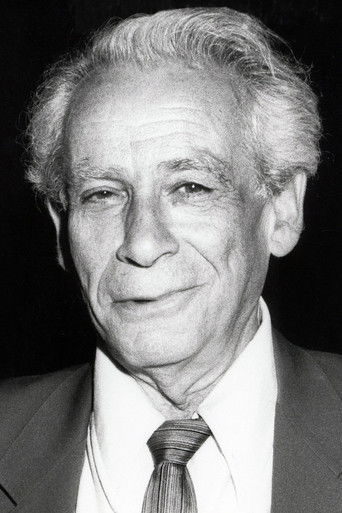
Samuel Michael Fuller (August 12, 1912 – October 30, 1997) was an American screenwriter, novelist and film director known for low-budget genre movies with controversial themes. He was born Samuel Michael Fuller in Worcester, Massachusetts, the son of Benjamin Rabinovitch, a Jewish immigrant  from Russia, and Rebecca Baum, a Jewish immigrant from Poland. After immigrating to America, the family's surname was changed from Rabinovitch to "Fuller" possibly by inspiration of a Doctor who arrived in America on the Mayflower.  At the age of 12, he began working in journalism  as a newspaper  copyboy. He became a crime reporter  in New York City at age 17, working for the New York Evening Graphic. He broke the story of Jeanne Eagels' death.  He wrote pulp novels and screenplays  from the mid-1930s onwards. Fuller also became a screenplay  ghostwriter  but would never tell interviewers which screenplays that he ghost-wrote explaining "that's what a ghost writer is for". During World War II, Fuller joined the United States Army infantry. He was assigned to the 16th Infantry Regiment, 1st Infantry Division, and saw heavy fighting. He was involved in landings in Africa, Sicily, and Normandy  and also saw action in Belgium and Czechoslovakia. In 1945 he was present at the liberation of the German concentration camp at Falkenau  and shot 16 mm footage which was used later in the documentary Falkenau: The Impossible. For his service, he was awarded the Bronze Star, the Silver Star, and the Purple Heart.  Fuller used his wartime experiences as material in his films, especially in The Big Red One (1980), a nickname of the 1st Infantry Division. After his controversial film "White Dog" was shelved by Paramount pictures, Fuller moved to France, and never directed another American film. Fuller eventually returned to America. He died of natural causes in his California home. In November 1997, the Directors Guild held a three hour memorial in his honor, hosted by Curtis Hanson, his long time friend and co-writer on White Dog. He was survived by his wife Christa and daughter Samantha.

Biography

Samuel Michael Fuller (August 12, 1912 – October 30, 1997) was an American screenwriter, novelist and film director known for low-budget genre movies with controversial themes. He was born Samuel Michael Fuller in Worcester, Massachusetts, the son of Benjamin Rabinovitch, a Jewish immigrant  from Russia, and Rebecca Baum, a Jewish immigrant from Poland. After immigrating to America, the family's surname was changed from Rabinovitch to "Fuller" possibly by inspiration of a Doctor who arrived in America on the Mayflower.  At the age of 12, he began working in journalism  as a newspaper  copyboy. He became a crime reporter  in New York City at age 17, working for the New York Evening Graphic. He broke the story of Jeanne Eagels' death.  He wrote pulp novels and screenplays  from the mid-1930s onwards. Fuller also became a screenplay  ghostwriter  but would never tell interviewers which screenplays that he ghost-wrote explaining "that's what a ghost writer is for". During World War II, Fuller joined the United States Army infantry. He was assigned to the 16th Infantry Regiment, 1st Infantry Division, and saw heavy fighting. He was involved in landings in Africa, Sicily, and Normandy  and also saw action in Belgium and Czechoslovakia. In 1945 he was present at the liberation of the German concentration camp at Falkenau  and shot 16 mm footage which was used later in the documentary Falkenau: The Impossible. For his service, he was awarded the Bronze Star, the Silver Star, and the Purple Heart.  Fuller used his wartime experiences as material in his films, especially in The Big Red One (1980), a nickname of the 1st Infantry Division. After his controversial film "White Dog" was shelved by Paramount pictures, Fuller moved to France, and never directed another American film. Fuller eventually returned to America. He died of natural causes in his California home. In November 1997, the Directors Guild held a three hour memorial in his honor, hosted by Curtis Hanson, his long time friend and co-writer on White Dog. He was survived by his wife Christa and daughter Samantha.

Filmography

ranked on this site
1990s1 titleTThe Typewriter, the Rifle & the Movie Camera1996 · as Self59.3
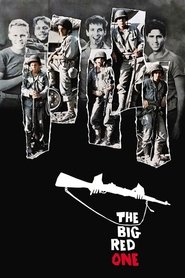
1980s2 titlesFFalkenau, the Impossible1988 · as Self & narrator58.9BThe Big Red One1980 · as Director52.4
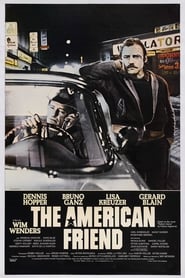
1970s1 titleAThe American Friend1977 · as Der Amerikaner72.8
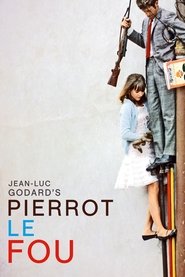
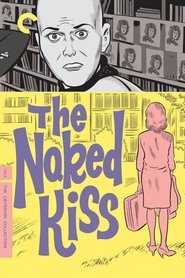
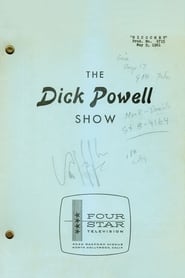
1960s6 titlesPPierrot le Fou1965 · as Samuel Fuller68.8NThe Naked Kiss1964 · as Director54.4SShock Corridor1963 · as Director55.4VThe Virginian1962 · as Director · series63.5DThe Dick Powell Theatre1961 · as Director · series63.9UUnderworld U.S.A.1961 · as Director56.3
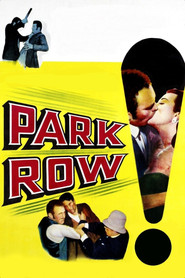
1950s3 titlesPPickup on South Street1953 · as Director71.3PPark Row1952 · as Director56.3SThe Steel Helmet1951 · as Director57.1

Browse the ranked list

you've reached the bottom
goodrecmovies
movies worth your night.

This product uses TMDB and the TMDB APIs but is not endorsed, certified, or otherwise approved by TMDB.

← back

Samuel Fuller

S
born1912
died1997
known forDirecting
titles on site13
best title rank#811 · The Virginian (1962)
avg GRM60.8
honors4 · Lucien Barrière Literary Award, 1991
Honors
  • 1991Lucien Barrière Literary Award
  • —Purple Heart
  • —Silver Star
  • —Bronze Star Medal
Samuel Michael Fuller (August 12, 1912 – October 30, 1997) was an American screenwriter, novelist and film director known for low-budget genre movies with controversial themes. He was born Samuel Michael Fuller in Worcester, Massachusetts, the son of Benjamin Rabinovitch, a Jewish immigrant  from Russia, and Rebecca Baum, a Jewish immigrant from Poland. After immigrating to America, the family's surname was changed from Rabinovitch to "Fuller" possibly by inspiration of a Doctor who arrived in America on the Mayflower.  At the age of 12, he began working in journalism  as a newspaper  copyboy. He became a crime reporter  in New York City at age 17, working for the New York Evening Graphic. He broke the story of Jeanne Eagels' death.  He wrote pulp novels and screenplays  from the mid-1930s onwards. Fuller also became a screenplay  ghostwriter  but would never tell interviewers which screenplays that he ghost-wrote explaining "that's what a ghost writer is for". During World War II, Fuller joined the United States Army infantry. He was assigned to the 16th Infantry Regiment, 1st Infantry Division, and saw heavy fighting. He was involved in landings in Africa, Sicily, and Normandy  and also saw action in Belgium and Czechoslovakia. In 1945 he was present at the liberation of the German concentration camp at Falkenau  and shot 16 mm footage which was used later in the documentary Falkenau: The Impossible. For his service, he was awarded the Bronze Star, the Silver Star, and the Purple Heart.  Fuller used his wartime experiences as material in his films, especially in The Big Red One (1980), a nickname of the 1st Infantry Division. After his controversial film "White Dog" was shelved by Paramount pictures, Fuller moved to France, and never directed another American film. Fuller eventually returned to America. He died of natural causes in his California home. In November 1997, the Directors Guild held a three hour memorial in his honor, hosted by Curtis Hanson, his long time friend and co-writer on White Dog. He was survived by his wife Christa and daughter Samantha.

Filmography

ranked on this site

Browse the ranked list