
Writing

Arthur C. Clarke

1917–2008 · Writing

64.2avg grm
4titles
21honors

Honors

21
2005Sri Lankabhimanya
2005Geffen Award — Best Translated Science Fiction Novel
2004Retro Hugo Award — Best Short Story
1997Science Fiction and Fantasy Hall of Fame
1996Theodore von Kármán Award
Honors
  • 2005Sri Lankabhimanya
  • 2005Geffen Award — Best Translated Science Fiction Novel
  • 2004Retro Hugo Award — Best Short Story
  • 1997Science Fiction and Fantasy Hall of Fame
  • 1996Theodore von Kármán Award
  • 1994Knight Bachelor
  • 1989Commander of the Order of the British Empire
  • 1989International Space Hall of Fame
  • 1986Damon Knight Memorial Grand Master Award
  • 1982Marconi Prize
  • 1980Hugo Award — Best Novel
  • 1980Nebula Award — Best Novel
  • 1974Locus Award — Best Novel
  • 1974John W. Campbell Memorial Award — Best Science Fiction Novel
  • 1973Nebula Award — Best Novella
  • 1973BSFA Award — Best Novel
  • 1969Hugo Award — Best Dramatic Presentation
  • 1963Stuart Ballantine Medal
  • 1961Kalinga Prize
  • 1956Hugo Award — Best Short Story
  • 1952International Fantasy Award — Best Non Fiction

Bio

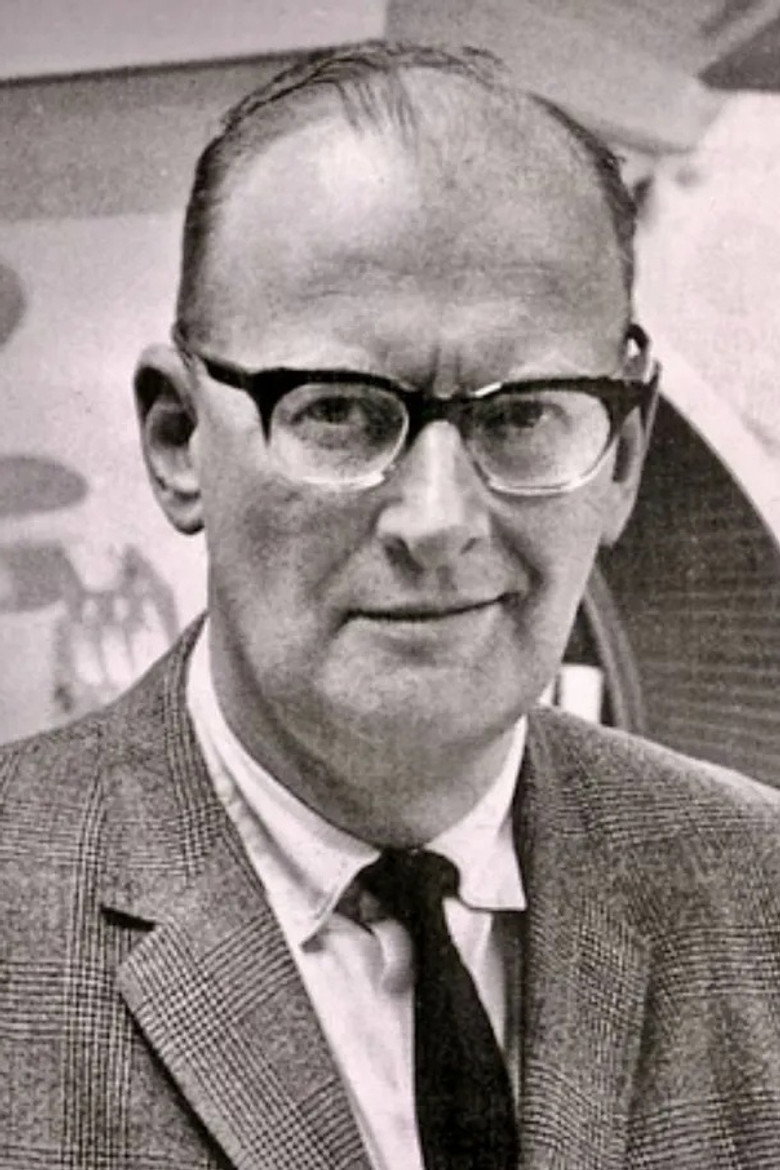
Sir Arthur Charles Clarke CBE FRAS (16 December 1917 – 19 March 2008) was an English science-fiction writer, science writer, futurist, inventor, undersea explorer, and television series host. He co-wrote the screenplay for the 1968 film 2001: A Space Odyssey, one of the most influential films of all time. Clarke was a science fiction writer, an avid populariser of space travel, and a futurist of a distinguished ability. He wrote many books and many essays for popular magazines. In 1961, he received the Kalinga Prize, a UNESCO award for popularising science. Clarke's science and science-fiction writings earned him the moniker "Prophet of the Space Age". His science-fiction writings in particular earned him a number of Hugo and Nebula awards, which along with a large readership, made him one of the towering figures of the genre. For many years Clarke, Robert Heinlein, and Isaac Asimov were known as the "Big Three" of science fiction. Clarke was a lifelong proponent of space travel. In 1934, while still a teenager, he joined the British Interplanetary Society. In 1945, he proposed a satellite communication system using geostationary orbits. He was the chairman of the British Interplanetary Society from 1946–1947 and again in 1951–1953. Clarke emigrated to Ceylon (now Sri Lanka) in 1956, to pursue his interest in scuba diving. That year, he discovered the underwater ruins of the ancient Koneswaram Temple in Trincomalee. Clarke augmented his popularity in the 1980s, as the host of television shows such as Arthur C. Clarke's Mysterious World. He lived in Sri Lanka until his death. Clarke was appointed Commander of the Order of the British Empire (CBE) in 1989 "for services to British cultural interests in Sri Lanka". He was knighted in 1998 and was awarded Sri Lanka's highest civil honour, Sri Lankabhimanya, in 2005.
Biography

Sir Arthur Charles Clarke CBE FRAS (16 December 1917 – 19 March 2008) was an English science-fiction writer, science writer, futurist, inventor, undersea explorer, and television series host. He co-wrote the screenplay for the 1968 film 2001: A Space Odyssey, one of the most influential films of all time. Clarke was a science fiction writer, an avid populariser of space travel, and a futurist of a distinguished ability. He wrote many books and many essays for popular magazines. In 1961, he received the Kalinga Prize, a UNESCO award for popularising science. Clarke's science and science-fiction writings earned him the moniker "Prophet of the Space Age". His science-fiction writings in particular earned him a number of Hugo and Nebula awards, which along with a large readership, made him one of the towering figures of the genre. For many years Clarke, Robert Heinlein, and Isaac Asimov were known as the "Big Three" of science fiction. Clarke was a lifelong proponent of space travel. In 1934, while still a teenager, he joined the British Interplanetary Society. In 1945, he proposed a satellite communication system using geostationary orbits. He was the chairman of the British Interplanetary Society from 1946–1947 and again in 1951–1953. Clarke emigrated to Ceylon (now Sri Lanka) in 1956, to pursue his interest in scuba diving. That year, he discovered the underwater ruins of the ancient Koneswaram Temple in Trincomalee. Clarke augmented his popularity in the 1980s, as the host of television shows such as Arthur C. Clarke's Mysterious World. He lived in Sri Lanka until his death. Clarke was appointed Commander of the Order of the British Empire (CBE) in 1989 "for services to British cultural interests in Sri Lanka". He was knighted in 1998 and was awarded Sri Lanka's highest civil honour, Sri Lankabhimanya, in 2005.

Filmography

ranked on this site
1990s3 titlesPPhenomenon: The Lost Archives1998 · as Self · series64.0FFuture Fantastic1996 · as Self · series64.5FFuture Fantastic1996 · as Self - Science Fiction Writer · series64.5
1980s1 titleAArthur C. Clarke's Mysterious World1980 · as Self - Presenter · series63.8

Browse the ranked list

you've reached the bottom
goodrecmovies
movies worth your night.

This product uses TMDB and the TMDB APIs but is not endorsed, certified, or otherwise approved by TMDB.

← back

Arthur C. Clarke

A
born1917
died2008
known forWriting
titles on site4
avg GRM64.2
honors21 · Sri Lankabhimanya, 2005
Honors
  • 2005Sri Lankabhimanya
  • 2005Geffen Award — Best Translated Science Fiction Novel
  • 2004Retro Hugo Award — Best Short Story
  • 1997Science Fiction and Fantasy Hall of Fame
  • 1996Theodore von Kármán Award
  • 1994Knight Bachelor
  • 1989Commander of the Order of the British Empire
  • 1989International Space Hall of Fame
  • 1986Damon Knight Memorial Grand Master Award
  • 1982Marconi Prize
  • 1980Hugo Award — Best Novel
  • 1980Nebula Award — Best Novel
  • 1974Locus Award — Best Novel
  • 1974John W. Campbell Memorial Award — Best Science Fiction Novel
  • 1973Nebula Award — Best Novella
  • 1973BSFA Award — Best Novel
  • 1969Hugo Award — Best Dramatic Presentation
  • 1963Stuart Ballantine Medal
  • 1961Kalinga Prize
  • 1956Hugo Award — Best Short Story
  • 1952International Fantasy Award — Best Non Fiction
Sir Arthur Charles Clarke CBE FRAS (16 December 1917 – 19 March 2008) was an English science-fiction writer, science writer, futurist, inventor, undersea explorer, and television series host. He co-wrote the screenplay for the 1968 film 2001: A Space Odyssey, one of the most influential films of all time. Clarke was a science fiction writer, an avid populariser of space travel, and a futurist of a distinguished ability. He wrote many books and many essays for popular magazines. In 1961, he received the Kalinga Prize, a UNESCO award for popularising science. Clarke's science and science-fiction writings earned him the moniker "Prophet of the Space Age". His science-fiction writings in particular earned him a number of Hugo and Nebula awards, which along with a large readership, made him one of the towering figures of the genre. For many years Clarke, Robert Heinlein, and Isaac Asimov were known as the "Big Three" of science fiction. Clarke was a lifelong proponent of space travel. In 1934, while still a teenager, he joined the British Interplanetary Society. In 1945, he proposed a satellite communication system using geostationary orbits. He was the chairman of the British Interplanetary Society from 1946–1947 and again in 1951–1953. Clarke emigrated to Ceylon (now Sri Lanka) in 1956, to pursue his interest in scuba diving. That year, he discovered the underwater ruins of the ancient Koneswaram Temple in Trincomalee. Clarke augmented his popularity in the 1980s, as the host of television shows such as Arthur C. Clarke's Mysterious World. He lived in Sri Lanka until his death. Clarke was appointed Commander of the Order of the British Empire (CBE) in 1989 "for services to British cultural interests in Sri Lanka". He was knighted in 1998 and was awarded Sri Lanka's highest civil honour, Sri Lankabhimanya, in 2005.
Filmography

ranked on this site

Browse the ranked list