Louis Armstrong

1901–1971 · Acting

57.0avg grm
3titles
3honors

Honors

3
1990Rock and Roll Hall of Fame
1972Grammy Lifetime Achievement Award
1960star on Hollywood Walk of Fame

Bio

Louis Daniel Armstrong (August 4, 1901 – July 6, 1971), nicknamed Satchmo or Pops, was an American jazz trumpeter and singer from New Orleans, Louisiana. Coming to prominence in the 1920s as an "inventive" cornet and trumpet player, Armstrong was a foundational influence in jazz, shifting the music's focus from collective improvisation to solo performance. With his instantly recognizable deep and distinctive gravelly voice, Armstrong was also an influential singer, demonstrating great dexterity as an improviser, bending the lyrics and melody of a song for expressive purposes. He was also greatly skilled at scat singing, vocalizing using sounds and syllables instead of actual lyrics. Renowned for his charismatic stage presence and voice almost as much as for his trumpet-playing, Armstrong's influence extends well beyond jazz music, and by the end of his career in the 1960s, he was widely regarded as a profound influence on popular music in general. Armstrong was one of the first truly popular African-American entertainers to "cross over," whose skin-color was secondary to his amazing talent in an America that was severely racially divided. It allowed him socially acceptable access to the upper echelons of American society that were highly restricted for a person of color. While he rarely publicly politicized his race, often to the dismay of fellow African-Americans, he was privately a huge supporter of the Civil Rights movement in America.

Biography

Louis Daniel Armstrong (August 4, 1901 – July 6, 1971), nicknamed Satchmo or Pops, was an American jazz trumpeter and singer from New Orleans, Louisiana. Coming to prominence in the 1920s as an "inventive" cornet and trumpet player, Armstrong was a foundational influence in jazz, shifting the music's focus from collective improvisation to solo performance. With his instantly recognizable deep and distinctive gravelly voice, Armstrong was also an influential singer, demonstrating great dexterity as an improviser, bending the lyrics and melody of a song for expressive purposes. He was also greatly skilled at scat singing, vocalizing using sounds and syllables instead of actual lyrics. Renowned for his charismatic stage presence and voice almost as much as for his trumpet-playing, Armstrong's influence extends well beyond jazz music, and by the end of his career in the 1960s, he was widely regarded as a profound influence on popular music in general. Armstrong was one of the first truly popular African-American entertainers to "cross over," whose skin-color was secondary to his amazing talent in an America that was severely racially divided. It allowed him socially acceptable access to the upper echelons of American society that were highly restricted for a person of color. While he rarely publicly politicized his race, often to the dismay of fellow African-Americans, he was privately a huge supporter of the Civil Rights movement in America.

Filmography

ranked on this site
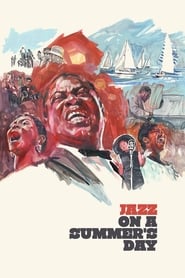
1950s2 titlesJJazz on a Summer's Day1959 · as Self60.9FThe Five Pennies1959 · as Louis Armstrong55.5
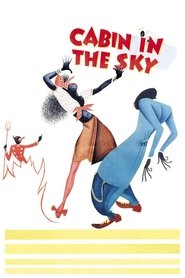
1940s1 titleCCabin in the Sky1943 · as The Trumpeter54.6

Browse the ranked list

you've reached the bottom
goodrecmovies
movies worth your night.

This product uses TMDB and the TMDB APIs but is not endorsed, certified, or otherwise approved by TMDB.

← back

Louis Armstrong

L
born1901
died1971
known forActing
titles on site3
avg GRM57.0
honors3 · Rock and Roll Hall of Fame, 1990
Honors
  • 1990Rock and Roll Hall of Fame
  • 1972Grammy Lifetime Achievement Award
  • 1960star on Hollywood Walk of Fame
Louis Daniel Armstrong (August 4, 1901 – July 6, 1971), nicknamed Satchmo or Pops, was an American jazz trumpeter and singer from New Orleans, Louisiana. Coming to prominence in the 1920s as an "inventive" cornet and trumpet player, Armstrong was a foundational influence in jazz, shifting the music's focus from collective improvisation to solo performance. With his instantly recognizable deep and distinctive gravelly voice, Armstrong was also an influential singer, demonstrating great dexterity as an improviser, bending the lyrics and melody of a song for expressive purposes. He was also greatly skilled at scat singing, vocalizing using sounds and syllables instead of actual lyrics. Renowned for his charismatic stage presence and voice almost as much as for his trumpet-playing, Armstrong's influence extends well beyond jazz music, and by the end of his career in the 1960s, he was widely regarded as a profound influence on popular music in general. Armstrong was one of the first truly popular African-American entertainers to "cross over," whose skin-color was secondary to his amazing talent in an America that was severely racially divided. It allowed him socially acceptable access to the upper echelons of American society that were highly restricted for a person of color. While he rarely publicly politicized his race, often to the dismay of fellow African-Americans, he was privately a huge supporter of the Civil Rights movement in America.

Filmography

ranked on this site

Browse the ranked list