Acting

Mickey Rooney

1920–2014 · Acting

60.9avg grm
18titles
#1,324best rank
9honors
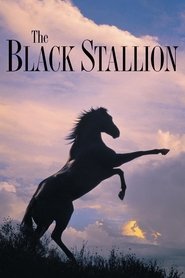
Bbest title · #1,324 on siteThe Black Stallion1979 · as Henry Dailey73.5

Honors

9
1982Emmy Award
1983Academy Honorary Award
1981Golden Globe Award — Best Actor – Miniseries or Television Film
1939Academy Juvenile Award
1982Emmy — Outstanding Lead Actor in a Miniseries or a Movie
Honors
  • 1982Emmy Award
  • 1983Academy Honorary Award
  • 1981Golden Globe Award — Best Actor – Miniseries or Television Film
  • 1939Academy Juvenile Award
  • 1982Emmy — Outstanding Lead Actor in a Miniseries or a Movie
  • 1963Golden Globe — Best Actor in a Television Series
  • 1960star on Hollywood Walk of Fame
  • 1980Theatre World Special Award
  • —Bronze Star Medal

Bio

From Wikipedia, the free encyclopedia Mickey Rooney (born Joseph Yule Jr.; September 23, 1920 – April 6, 2014) was an American actor, vaudevillian, comedian, producer, and radio personality. In a career spanning nine decades and continuing until shortly before his death, he appeared in more than 300 films and was among the last surviving stars of the silent film era. At the height of a career that was marked by declines and comebacks, Rooney performed the role of Andy Hardy in a series of 16 films in the 1930s and 1940s that epitomized American family values. A versatile performer, he became a celebrated character actor later in his career. Laurence Olivier once said he considered Rooney "the best there has ever been". Clarence Brown, who directed him in two of his earliest dramatic roles, National Velvet and The Human Comedy, said he was "the closest thing to a genius I ever worked with". Rooney first performed in vaudeville as a child and made his film debut at the age of six. At 14, he played Puck in the play and later the 1935 film adaptation of A Midsummer Night's Dream. Critic David Thomson hailed his performance as "one of the cinema's most arresting pieces of magic". In 1938, he co-starred in Boys Town. At 19, he was the first teenager to be nominated for an Oscar for his leading role in Babes in Arms, and he was awarded a special Academy Juvenile Award in 1939. At the peak of his career between the ages of 15 and 25, he made 43 films, which made him one of Metro-Goldwyn-Mayer's most consistently successful actors and a favorite of MGM studio head Louis B. Mayer. Rooney was the top box-office attraction from 1939 to 1941 and one of the best-paid actors of that era, but his career would never again rise to such heights. Drafted into the Army during World War II, he served nearly two years entertaining over two million troops on stage and radio and was awarded a Bronze Star for performing in combat zones. Returning from the war in 1945, he was too old for juvenile roles but too short to be an adult movie star, and was unable to get as many starring roles. Nevertheless, Rooney's popularity was renewed with well-received supporting roles in films such as Breakfast at Tiffany's (1961), Requiem for a Heavyweight (1962), It's a Mad, Mad, Mad, Mad World (1963), and The Black Stallion (1979). In the early 1980s, he returned to Broadway in Sugar Babies and again became a celebrated star. Rooney made hundreds of appearances on TV, including dramas, variety programs, and talk shows, and won an Emmy in 1982 plus a Golden Globe for his role in Bill (1981).

Biography

From Wikipedia, the free encyclopedia Mickey Rooney (born Joseph Yule Jr.; September 23, 1920 – April 6, 2014) was an American actor, vaudevillian, comedian, producer, and radio personality. In a career spanning nine decades and continuing until shortly before his death, he appeared in more than 300 films and was among the last surviving stars of the silent film era. At the height of a career that was marked by declines and comebacks, Rooney performed the role of Andy Hardy in a series of 16 films in the 1930s and 1940s that epitomized American family values. A versatile performer, he became a celebrated character actor later in his career. Laurence Olivier once said he considered Rooney "the best there has ever been". Clarence Brown, who directed him in two of his earliest dramatic roles, National Velvet and The Human Comedy, said he was "the closest thing to a genius I ever worked with". Rooney first performed in vaudeville as a child and made his film debut at the age of six. At 14, he played Puck in the play and later the 1935 film adaptation of A Midsummer Night's Dream. Critic David Thomson hailed his performance as "one of the cinema's most arresting pieces of magic". In 1938, he co-starred in Boys Town. At 19, he was the first teenager to be nominated for an Oscar for his leading role in Babes in Arms, and he was awarded a special Academy Juvenile Award in 1939. At the peak of his career between the ages of 15 and 25, he made 43 films, which made him one of Metro-Goldwyn-Mayer's most consistently successful actors and a favorite of MGM studio head Louis B. Mayer. Rooney was the top box-office attraction from 1939 to 1941 and one of the best-paid actors of that era, but his career would never again rise to such heights. Drafted into the Army during World War II, he served nearly two years entertaining over two million troops on stage and radio and was awarded a Bronze Star for performing in combat zones. Returning from the war in 1945, he was too old for juvenile roles but too short to be an adult movie star, and was unable to get as many starring roles. Nevertheless, Rooney's popularity was renewed with well-received supporting roles in films such as Breakfast at Tiffany's (1961), Requiem for a Heavyweight (1962), It's a Mad, Mad, Mad, Mad World (1963), and The Black Stallion (1979). In the early 1980s, he returned to Broadway in Sugar Babies and again became a celebrated star. Rooney made hundreds of appearances on TV, including dramas, variety programs, and talk shows, and won an Emmy in 1982 plus a Golden Globe for his role in Bill (1981).

Filmography

ranked on this site
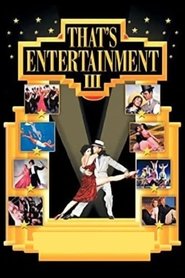
1990s3 titlesTThat's Entertainment! III1994 · as Self - Co-Host58.3TThat's Entertainment! III1994 · as Narrator58.3MMGM: When the Lion Roars1992 · as Self · series64.2
1980s2 titlesLLittle Nemo: Adventures in Slumberland1989 · as Flip53.4FThe Fox and the Hound1981 · as Tod53.3
1970s4 titlesBThe Black Stallion1979 · as Henry Dailey73.5TThat's Entertainment!1974 · as Self - Co-Host61.1TThat's Entertainment!1974 · as Narrator61.1TThat's Entertainment!1974 · as Clips from 'Babes in Arms' - 'Girl Crazy' - 'Babes on Broadway'61.1
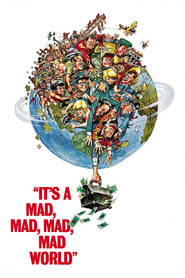
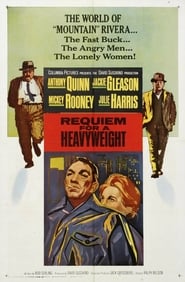
1960s5 titlesIIt's a Mad, Mad, Mad, Mad World1963 · as Ding Bell68.5RRequiem for a Heavyweight1962 · as Army61.0DThe Dick Powell Theatre1961 · as Augie Miller · series63.9DThe Dick Powell Theatre1961 · as Mike Zampini · series63.9DThe Dick Powell Theatre1961 · as Putt-Putt Higgins · series63.9
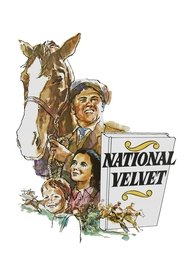
1940s1 titleNNational Velvet1944 · as Mi Taylor55.6
1930s3 titlesBBoys Town1938 · as Whitey Marsh54.8CCaptains Courageous1937 · as Dan62.9LLittle Lord Fauntleroy1936 · as Dick56.7

Browse the ranked list

you've reached the bottom
goodrecmovies
movies worth your night.

This product uses TMDB and the TMDB APIs but is not endorsed, certified, or otherwise approved by TMDB.

← back

Mickey Rooney

M
born1920
died2014
known forActing
titles on site18
best title rank#1,324 · The Black Stallion (1979)
avg GRM60.9
honors9 · Emmy Award, 1982
Honors
  • 1982Emmy Award
  • 1983Academy Honorary Award
  • 1981Golden Globe Award — Best Actor – Miniseries or Television Film
  • 1939Academy Juvenile Award
  • 1982Emmy — Outstanding Lead Actor in a Miniseries or a Movie
  • 1963Golden Globe — Best Actor in a Television Series
  • 1960star on Hollywood Walk of Fame
  • 1980Theatre World Special Award
  • —Bronze Star Medal
From Wikipedia, the free encyclopedia Mickey Rooney (born Joseph Yule Jr.; September 23, 1920 – April 6, 2014) was an American actor, vaudevillian, comedian, producer, and radio personality. In a career spanning nine decades and continuing until shortly before his death, he appeared in more than 300 films and was among the last surviving stars of the silent film era. At the height of a career that was marked by declines and comebacks, Rooney performed the role of Andy Hardy in a series of 16 films in the 1930s and 1940s that epitomized American family values. A versatile performer, he became a celebrated character actor later in his career. Laurence Olivier once said he considered Rooney "the best there has ever been". Clarence Brown, who directed him in two of his earliest dramatic roles, National Velvet and The Human Comedy, said he was "the closest thing to a genius I ever worked with". Rooney first performed in vaudeville as a child and made his film debut at the age of six. At 14, he played Puck in the play and later the 1935 film adaptation of A Midsummer Night's Dream. Critic David Thomson hailed his performance as "one of the cinema's most arresting pieces of magic". In 1938, he co-starred in Boys Town. At 19, he was the first teenager to be nominated for an Oscar for his leading role in Babes in Arms, and he was awarded a special Academy Juvenile Award in 1939. At the peak of his career between the ages of 15 and 25, he made 43 films, which made him one of Metro-Goldwyn-Mayer's most consistently successful actors and a favorite of MGM studio head Louis B. Mayer. Rooney was the top box-office attraction from 1939 to 1941 and one of the best-paid actors of that era, but his career would never again rise to such heights. Drafted into the Army during World War II, he served nearly two years entertaining over two million troops on stage and radio and was awarded a Bronze Star for performing in combat zones. Returning from the war in 1945, he was too old for juvenile roles but too short to be an adult movie star, and was unable to get as many starring roles. Nevertheless, Rooney's popularity was renewed with well-received supporting roles in films such as Breakfast at Tiffany's (1961), Requiem for a Heavyweight (1962), It's a Mad, Mad, Mad, Mad World (1963), and The Black Stallion (1979). In the early 1980s, he returned to Broadway in Sugar Babies and again became a celebrated star. Rooney made hundreds of appearances on TV, including dramas, variety programs, and talk shows, and won an Emmy in 1982 plus a Golden Globe for his role in Bill (1981).

Filmography

ranked on this site

Browse the ranked list