Acting

Claude Rains

1889–1967 · Acting

67.0avg grm
17titles
#16best rank
3honors
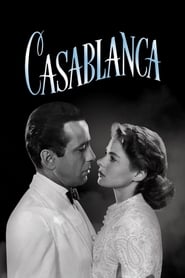
Cbest title · #16 on siteCasablanca1942 · as Captain Louis Renault85.5

Honors

3
1951Tony Award — Best Actor in a Play
—Donaldson Awards
—star on Hollywood Walk of Fame

Bio

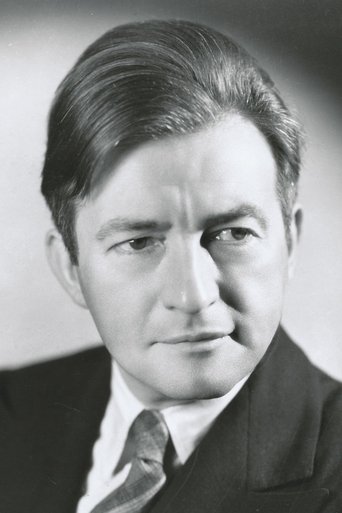
Claude Rains (November 10, 1889 – May 30, 1967) was an English stage and film actor whose career spanned 47 years; he later held American citizenship. He was known for many roles in Hollywood films, among them the title role in The Invisible Man (1933), a corrupt senator in Mr. Smith Goes to Washington (1939), and Captain Renault in Casablanca (1942). Rains was born William Claude Rains in Camberwell, London on November 10, 1889. He grew up, according to his daughter, with "a very serious cockney accent and a speech impediment". His father was British stage actor Frederick Rains, and the young Rains made his stage debut at 11 in Nell of Old Drury. His acting talents were recognised by Sir Herbert Beerbohm Tree, founder of The Royal Academy of Dramatic Art. Tree paid for the elocution lessons Rains needed in order to succeed as an actor. Later, Rains taught at the institution, teaching John Gielgud and Laurence Olivier, among others. Rains served in the First World War in the London Scottish Regiment, with fellow actors Basil Rathbone, Ronald Colman and Herbert Marshall. Rains was involved in a gas attack that left him nearly blind in one eye for the rest of his life. However, the war did aid his social advancement and, by its end, he had risen from the rank of Private to Captain. Rains began his career in the London theatre, having a success in the title role of John Drinkwater's play Ulysses S. Grant, the follow-up to the playwright's major hit Abraham Lincoln, and traveled to Broadway in the late 1920s to act in leading roles in such plays as Shaw's The Apple Cart and in the dramatizations of The Constant Nymph, and Pearl S. Buck's novel The Good Earth, as a Chinese farmer. Rains came relatively late to film acting and his first screen test was a failure, but his distinctive voice won him the title role in James Whale's The Invisible Man (1933) when someone accidentally overheard his screen test being played in the next room. Rains later credited director Michael Curtiz with teaching him the more understated requirements of film acting, or "what not to do in front of a camera".

Biography

Claude Rains (November 10, 1889 – May 30, 1967) was an English stage and film actor whose career spanned 47 years; he later held American citizenship. He was known for many roles in Hollywood films, among them the title role in The Invisible Man (1933), a corrupt senator in Mr. Smith Goes to Washington (1939), and Captain Renault in Casablanca (1942). Rains was born William Claude Rains in Camberwell, London on November 10, 1889. He grew up, according to his daughter, with "a very serious cockney accent and a speech impediment". His father was British stage actor Frederick Rains, and the young Rains made his stage debut at 11 in Nell of Old Drury. His acting talents were recognised by Sir Herbert Beerbohm Tree, founder of The Royal Academy of Dramatic Art. Tree paid for the elocution lessons Rains needed in order to succeed as an actor. Later, Rains taught at the institution, teaching John Gielgud and Laurence Olivier, among others. Rains served in the First World War in the London Scottish Regiment, with fellow actors Basil Rathbone, Ronald Colman and Herbert Marshall. Rains was involved in a gas attack that left him nearly blind in one eye for the rest of his life. However, the war did aid his social advancement and, by its end, he had risen from the rank of Private to Captain. Rains began his career in the London theatre, having a success in the title role of John Drinkwater's play Ulysses S. Grant, the follow-up to the playwright's major hit Abraham Lincoln, and traveled to Broadway in the late 1920s to act in leading roles in such plays as Shaw's The Apple Cart and in the dramatizations of The Constant Nymph, and Pearl S. Buck's novel The Good Earth, as a Chinese farmer. Rains came relatively late to film acting and his first screen test was a failure, but his distinctive voice won him the title role in James Whale's The Invisible Man (1933) when someone accidentally overheard his screen test being played in the next room. Rains later credited director Michael Curtiz with teaching him the more understated requirements of film acting, or "what not to do in front of a camera".

Filmography

ranked on this site
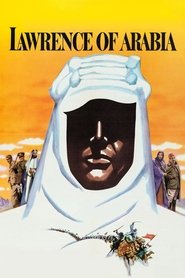
1960s1 titleLLawrence of Arabia1962 · as Mr. Dryden82.8
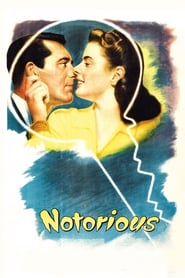
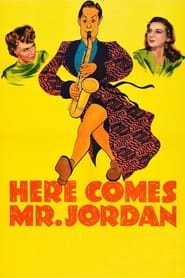
1940s11 titlesPThe Passionate Friends1949 · as Howard Justin55.6UThe Unsuspected1947 · as Victor Grandison55.4NNotorious1946 · as Alexander Sebastian79.8DDeception1946 · as Alexander Hollenius54.3MMr. Skeffington1944 · as Job Skeffington58.0CCasablanca1942 · as Captain Louis Renault85.5NNow, Voyager1942 · as Dr. Jaquith75.5KKings Row1942 · as Dr. Alexander Tower58.0WThe Wolf Man1941 · as Sir John Talbot70.9HHere Comes Mr. Jordan1941 · as Mr. Jordan58.0SThe Sea Hawk1940 · as Don José Alvarez de Cordoba59.1
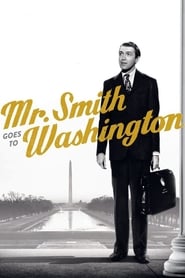
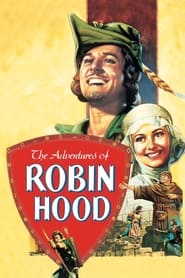
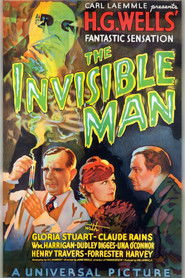
1930s5 titlesMMr. Smith Goes to Washington1939 · as Senator Joseph Harrison Paine77.7AThe Adventures of Robin Hood1938 · as Prince John80.0TThey Won't Forget1937 · as Andy Griffin56.3PThe Prince and the Pauper1937 · as Earl of Hertford55.8IThe Invisible Man1933 · as Dr. Jack Griffin aka The Invisible Man76.0
Browse the ranked list

you've reached the bottom
goodrecmovies
movies worth your night.

This product uses TMDB and the TMDB APIs but is not endorsed, certified, or otherwise approved by TMDB.

← back

Claude Rains

C
born1889
died1967
known forActing
titles on site17
best title rank#16 · Casablanca (1942)
avg GRM67.0
honors3 · Tony Award — Best Actor in a Play, 1951
Honors
  • 1951Tony Award — Best Actor in a Play
  • —Donaldson Awards
  • —star on Hollywood Walk of Fame
Claude Rains (November 10, 1889 – May 30, 1967) was an English stage and film actor whose career spanned 47 years; he later held American citizenship. He was known for many roles in Hollywood films, among them the title role in The Invisible Man (1933), a corrupt senator in Mr. Smith Goes to Washington (1939), and Captain Renault in Casablanca (1942). Rains was born William Claude Rains in Camberwell, London on November 10, 1889. He grew up, according to his daughter, with "a very serious cockney accent and a speech impediment". His father was British stage actor Frederick Rains, and the young Rains made his stage debut at 11 in Nell of Old Drury. His acting talents were recognised by Sir Herbert Beerbohm Tree, founder of The Royal Academy of Dramatic Art. Tree paid for the elocution lessons Rains needed in order to succeed as an actor. Later, Rains taught at the institution, teaching John Gielgud and Laurence Olivier, among others. Rains served in the First World War in the London Scottish Regiment, with fellow actors Basil Rathbone, Ronald Colman and Herbert Marshall. Rains was involved in a gas attack that left him nearly blind in one eye for the rest of his life. However, the war did aid his social advancement and, by its end, he had risen from the rank of Private to Captain. Rains began his career in the London theatre, having a success in the title role of John Drinkwater's play Ulysses S. Grant, the follow-up to the playwright's major hit Abraham Lincoln, and traveled to Broadway in the late 1920s to act in leading roles in such plays as Shaw's The Apple Cart and in the dramatizations of The Constant Nymph, and Pearl S. Buck's novel The Good Earth, as a Chinese farmer. Rains came relatively late to film acting and his first screen test was a failure, but his distinctive voice won him the title role in James Whale's The Invisible Man (1933) when someone accidentally overheard his screen test being played in the next room. Rains later credited director Michael Curtiz with teaching him the more understated requirements of film acting, or "what not to do in front of a camera".

Filmography

ranked on this site

Browse the ranked list