Directing

John Huston

1906–1987 · Directing
65.9avg grm
22titles
#62best rank
9honors
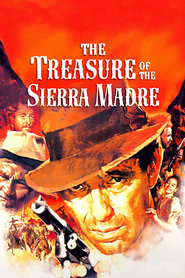
Tbest title · #62 on siteThe Treasure of the Sierra Madre1948 · as Director82.8

Honors

9
1949Academy Award — Best Director
1949Academy Award — Best Writing, Adapted Screenplay
—Golden Lion
1983AFI Life Achievement Award
—World War II Victory Medal
Honors
  • 1949Academy Award — Best Director
  • 1949Academy Award — Best Writing, Adapted Screenplay
  • —Golden Lion
  • 1983AFI Life Achievement Award
  • —World War II Victory Medal
  • —Asiatic-Pacific Campaign Medal
  • —American Campaign Medal
  • —Legionnaire of Legion of Merit
  • —star on Hollywood Walk of Fame

Bio

John Marcellus Huston (August 5, 1906 – August 28, 1987) was an American film director, screenwriter, actor, and visual artist. He wrote the screenplays for most of the 37 feature films he directed, many of which are today considered classics: The Maltese Falcon (1941), The Treasure of the Sierra Madre (1948), The Asphalt Jungle (1950), The African Queen (1951), The Misfits (1961), Fat City (1972), The Man Who Would Be King (1975) and Prizzi's Honor (1985). In his early years, Huston studied and worked as a fine art painter in Paris. He explored the visual aspects of his films throughout his career, sketching each scene on paper beforehand, then carefully framing his characters during the shooting. While most directors rely on post-production editing to shape their final work, Huston instead created his films while they were being shot, with little editing needed. Some of Huston's films were adaptations of important novels, often depicting an "heroic quest," as in Moby Dick, or The Red Badge of Courage. In many films, different groups of people, while struggling toward a common goal, would become doomed, forming "destructive alliances," giving the films a dramatic and visual tension. Many of his films involved themes such as religion, meaning, truth, freedom, psychology, colonialism, and war. Huston has been referred to as "a titan", "a rebel", and a "renaissance man" in the Hollywood film industry. Author Ian Freer describes him as "cinema's Ernest Hemingway"—a filmmaker who was "never afraid to tackle tough issues head on." During his 46-year career, Huston received 15 Oscar nominations, winning twice. He directed both his father, Walter Huston, and daughter, Anjelica Huston, to Oscar wins. Description above from the Wikipedia article John Huston, licensed under CC-BY-SA, full list of contributors on Wikipedia.

Biography

John Marcellus Huston (August 5, 1906 – August 28, 1987) was an American film director, screenwriter, actor, and visual artist. He wrote the screenplays for most of the 37 feature films he directed, many of which are today considered classics: The Maltese Falcon (1941), The Treasure of the Sierra Madre (1948), The Asphalt Jungle (1950), The African Queen (1951), The Misfits (1961), Fat City (1972), The Man Who Would Be King (1975) and Prizzi's Honor (1985). In his early years, Huston studied and worked as a fine art painter in Paris. He explored the visual aspects of his films throughout his career, sketching each scene on paper beforehand, then carefully framing his characters during the shooting. While most directors rely on post-production editing to shape their final work, Huston instead created his films while they were being shot, with little editing needed. Some of Huston's films were adaptations of important novels, often depicting an "heroic quest," as in Moby Dick, or The Red Badge of Courage. In many films, different groups of people, while struggling toward a common goal, would become doomed, forming "destructive alliances," giving the films a dramatic and visual tension. Many of his films involved themes such as religion, meaning, truth, freedom, psychology, colonialism, and war. Huston has been referred to as "a titan", "a rebel", and a "renaissance man" in the Hollywood film industry. Author Ian Freer describes him as "cinema's Ernest Hemingway"—a filmmaker who was "never afraid to tackle tough issues head on." During his 46-year career, Huston received 15 Oscar nominations, winning twice. He directed both his father, Walter Huston, and daughter, Anjelica Huston, to Oscar wins. Description above from the Wikipedia article John Huston, licensed under CC-BY-SA, full list of contributors on Wikipedia.

Filmography

ranked on this site
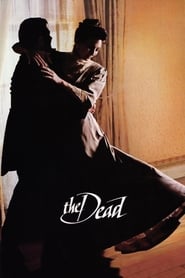
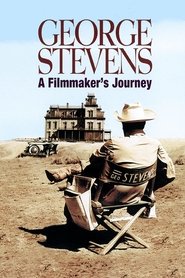
1980s2 titlesDThe Dead1987 · as Director54.4GGeorge Stevens: A Filmmaker's Journey1984 · as Self59.0
1970s3 titlesMThe Man Who Would Be King1975 · as Director77.4CChinatown1974 · as Noah Cross81.2FFat City1972 · as Director54.2
1960s6 titlesRRocky Road to Dublin1968 · as Self58.6AABC Stage 671966 · as Narrator · series64.0NThe Night of the Iguana1964 · as Director57.9HHollywood and the Stars1963 · as Self · series63.7FFreud1962 · as Director54.7MThe Misfits1961 · as Director71.8
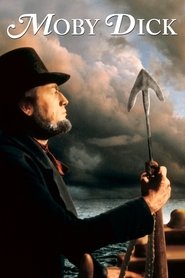
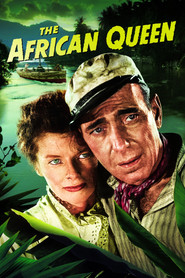
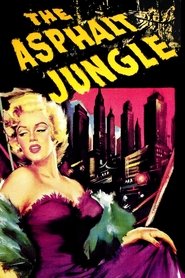
1950s6 titlesFFace to Face1959 · as Self · series64.0HHeaven Knows, Mr. Allison1957 · as Director55.5MMoby Dick1956 · as Director70.9AThe African Queen1951 · as Director77.3RThe Red Badge of Courage1951 · as Director54.1AThe Asphalt Jungle1950 · as Director77.8
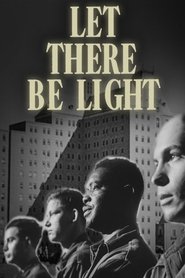
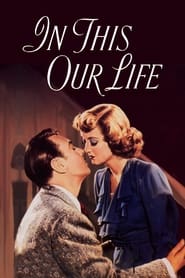
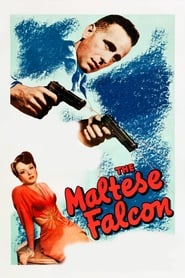
1940s5 titlesTThe Treasure of the Sierra Madre1948 · as Director82.8KKey Largo1948 · as Director76.0LLet There Be Light1946 · as Director57.6IIn This Our Life1942 · as Director56.0MThe Maltese Falcon1941 · as Director80.0

Browse the ranked list

you've reached the bottom
goodrecmovies
movies worth your night.

This product uses TMDB and the TMDB APIs but is not endorsed, certified, or otherwise approved by TMDB.

← back

John Huston

J
born1906
died1987
known forDirecting
titles on site22
avg GRM65.9
honors9 · Academy Award — Best Director, 1949
Honors
  • 1949Academy Award — Best Director
  • 1949Academy Award — Best Writing, Adapted Screenplay
  • —Golden Lion
  • 1983AFI Life Achievement Award
  • —World War II Victory Medal
  • —Asiatic-Pacific Campaign Medal
  • —American Campaign Medal
  • —Legionnaire of Legion of Merit
  • —star on Hollywood Walk of Fame
John Marcellus Huston (August 5, 1906 – August 28, 1987) was an American film director, screenwriter, actor, and visual artist. He wrote the screenplays for most of the 37 feature films he directed, many of which are today considered classics: The Maltese Falcon (1941), The Treasure of the Sierra Madre (1948), The Asphalt Jungle (1950), The African Queen (1951), The Misfits (1961), Fat City (1972), The Man Who Would Be King (1975) and Prizzi's Honor (1985). In his early years, Huston studied and worked as a fine art painter in Paris. He explored the visual aspects of his films throughout his career, sketching each scene on paper beforehand, then carefully framing his characters during the shooting. While most directors rely on post-production editing to shape their final work, Huston instead created his films while they were being shot, with little editing needed. Some of Huston's films were adaptations of important novels, often depicting an "heroic quest," as in Moby Dick, or The Red Badge of Courage. In many films, different groups of people, while struggling toward a common goal, would become doomed, forming "destructive alliances," giving the films a dramatic and visual tension. Many of his films involved themes such as religion, meaning, truth, freedom, psychology, colonialism, and war. Huston has been referred to as "a titan", "a rebel", and a "renaissance man" in the Hollywood film industry. Author Ian Freer describes him as "cinema's Ernest Hemingway"—a filmmaker who was "never afraid to tackle tough issues head on." During his 46-year career, Huston received 15 Oscar nominations, winning twice. He directed both his father, Walter Huston, and daughter, Anjelica Huston, to Oscar wins. Description above from the Wikipedia article John Huston, licensed under CC-BY-SA, full list of contributors on Wikipedia.

Filmography

ranked on this site

Browse the ranked list