Acting

Van Heflin

1910–1971 · Acting

60.7avg grm
13titles
#732best rank
2honors
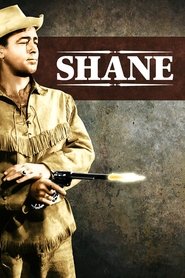
Sbest title · #732 on siteShane1953 · as Joe Starrett76.1

Honors

2
1943Academy Award — Best Supporting Actor
—star on Hollywood Walk of Fame

Bio

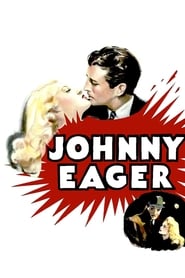
Emmett Evan “Van” Heflin Jr. (December 13, 1908 – July 23, 1971) was an American stage, radio, film, and television actor whose steady craftsmanship and versatility made him a respected character player and occasional leading man across four decades. He won the Academy Award for Best Supporting Actor for Johnny Eager (1942) and is remembered for strong turns in Westerns and noirs such as Shane (1953), 3:10 to Yuma (1957), and Gunman’s Walk (1958). Born in Walters, Oklahoma, Heflin studied at the University of Oklahoma and later earned a master’s degree in theater from Yale, launching his career on Broadway in the late 1920s and 1930s before moving into films. His early stage work and connections (including support from Katharine Hepburn) helped him secure a Hollywood contract and steady screen work beginning in the mid‑1930s. Heflin’s screen persona combined reliability, emotional range, and a rugged everyman quality, which allowed him to move fluidly between supporting character roles and leading parts during the 1940s. After his Oscar win for Johnny Eager, he continued to take memorable roles in both studio pictures and independent productions, earning praise for performances in The Glass Key (1942), The Blue Dahlia (1946), and Battle Cry (1955). In the 1950s and 1960s Heflin expanded into television and later film projects, appearing in anthology series and features; one of his last notable screen appearances was as a disturbed passenger in the disaster film Airport (1970). His career is notable for its longevity and for the way he adapted to changing studio systems while maintaining a reputation for solid, scene‑stealing work. Van Heflin died of a heart attack (myocardial infarction) on July 23, 1971, in Hollywood at age 62. He left behind a body of work that spans stage, radio, film, and television and that continues to be cited by historians as exemplary of mid‑20th‑century American character acting.

Biography

Emmett Evan “Van” Heflin Jr. (December 13, 1908 – July 23, 1971) was an American stage, radio, film, and television actor whose steady craftsmanship and versatility made him a respected character player and occasional leading man across four decades. He won the Academy Award for Best Supporting Actor for Johnny Eager (1942) and is remembered for strong turns in Westerns and noirs such as Shane (1953), 3:10 to Yuma (1957), and Gunman’s Walk (1958). Born in Walters, Oklahoma, Heflin studied at the University of Oklahoma and later earned a master’s degree in theater from Yale, launching his career on Broadway in the late 1920s and 1930s before moving into films. His early stage work and connections (including support from Katharine Hepburn) helped him secure a Hollywood contract and steady screen work beginning in the mid‑1930s. Heflin’s screen persona combined reliability, emotional range, and a rugged everyman quality, which allowed him to move fluidly between supporting character roles and leading parts during the 1940s. After his Oscar win for Johnny Eager, he continued to take memorable roles in both studio pictures and independent productions, earning praise for performances in The Glass Key (1942), The Blue Dahlia (1946), and Battle Cry (1955). In the 1950s and 1960s Heflin expanded into television and later film projects, appearing in anthology series and features; one of his last notable screen appearances was as a disturbed passenger in the disaster film Airport (1970). His career is notable for its longevity and for the way he adapted to changing studio systems while maintaining a reputation for solid, scene‑stealing work. Van Heflin died of a heart attack (myocardial infarction) on July 23, 1971, in Hollywood at age 62. He left behind a body of work that spans stage, radio, film, and television and that continues to be cited by historians as exemplary of mid‑20th‑century American character acting.

Filmography

ranked on this site
1960s3 titlesGThe Great Adventure1963 · as Narrator · series64.1GThe Great Adventure1963 · as Self - Narrator · series64.1GThe Great Adventure1963 · as Self - Announcer · series64.1
1950s5 titlesGGunman's Walk1958 · as Lee Hackett55.533:10 to Yuma1957 · as Dan Evans75.2PPatterns1956 · as Fred Staples60.0SShane1953 · as Joe Starrett76.1PThe Prowler1951 · as Webb Garwood54.0
1940s5 titlesAAct of Violence1948 · as Frank R. Enley58.0TThe Three Musketeers1948 · as Athos53.5PPossessed1947 · as David Sutton53.8SThe Strange Love of Martha Ivers1946 · as Sam Masterson56.6JJohnny Eager1941 · as Jeff Hartnett54.6

Browse the ranked list

you've reached the bottom
goodrecmovies
movies worth your night.

This product uses TMDB and the TMDB APIs but is not endorsed, certified, or otherwise approved by TMDB.

← back

Van Heflin

V
born1910
died1971
known forActing
titles on site13
best title rank#732 · Shane (1953)
avg GRM60.7
honors2 · Academy Award — Best Supporting Actor, 1943
Honors
  • 1943Academy Award — Best Supporting Actor
  • —star on Hollywood Walk of Fame
Emmett Evan “Van” Heflin Jr. (December 13, 1908 – July 23, 1971) was an American stage, radio, film, and television actor whose steady craftsmanship and versatility made him a respected character player and occasional leading man across four decades. He won the Academy Award for Best Supporting Actor for Johnny Eager (1942) and is remembered for strong turns in Westerns and noirs such as Shane (1953), 3:10 to Yuma (1957), and Gunman’s Walk (1958). Born in Walters, Oklahoma, Heflin studied at the University of Oklahoma and later earned a master’s degree in theater from Yale, launching his career on Broadway in the late 1920s and 1930s before moving into films. His early stage work and connections (including support from Katharine Hepburn) helped him secure a Hollywood contract and steady screen work beginning in the mid‑1930s. Heflin’s screen persona combined reliability, emotional range, and a rugged everyman quality, which allowed him to move fluidly between supporting character roles and leading parts during the 1940s. After his Oscar win for Johnny Eager, he continued to take memorable roles in both studio pictures and independent productions, earning praise for performances in The Glass Key (1942), The Blue Dahlia (1946), and Battle Cry (1955). In the 1950s and 1960s Heflin expanded into television and later film projects, appearing in anthology series and features; one of his last notable screen appearances was as a disturbed passenger in the disaster film Airport (1970). His career is notable for its longevity and for the way he adapted to changing studio systems while maintaining a reputation for solid, scene‑stealing work. Van Heflin died of a heart attack (myocardial infarction) on July 23, 1971, in Hollywood at age 62. He left behind a body of work that spans stage, radio, film, and television and that continues to be cited by historians as exemplary of mid‑20th‑century American character acting.

Filmography

ranked on this site

Browse the ranked list