Directing

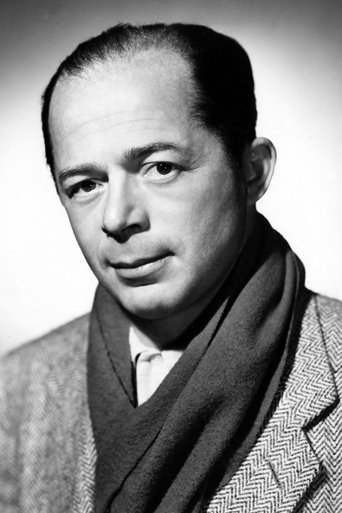
Billy Wilder

1906–2002 · Directing
69.1avg grm
20titles
#31best rank
22honors
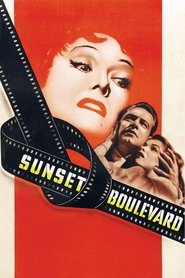
Sbest title · #31 on siteSunset Boulevard1950 · as Director83.9

Honors

22
1961Academy Award — Best Writing, Original Screenplay
1961Academy Award — Best Picture
1946Academy Award — Best Director
1946Academy Award — Best Writing, Adapted Screenplay
1946Palme d'Or
Honors
  • 1961Academy Award — Best Writing, Original Screenplay
  • 1961Academy Award — Best Picture
  • 1946Academy Award — Best Director
  • 1946Academy Award — Best Writing, Adapted Screenplay
  • 1946Palme d'Or
  • 1955Golden Globe Award — Best Screenplay
  • 1951Golden Globe Award — Best Director
  • 1995BAFTA Fellowship
  • 1961BAFTA — Best Film
  • 2000Knight Commander's Cross of the Order of Merit of the Federal Republic of Germany
  • 2000honorary citizen of Vienna
  • 1994Goethe Medal
  • 1993Berliner Bär
  • 1992European Film Academy Lifetime Achievement Award
  • 1990Kennedy Center Honors
  • 1986AFI Life Achievement Award
  • —Directors Guild of America Award
  • —National Medal of Arts
  • —National Board of Review Award — Best Film
  • —David di Donatello — Best Foreign Director
  • —Great Golden Medal of Honour — Services to the Republic of Austria
  • —star on Hollywood Walk of Fame

Bio

Billy Wilder, born Samuel Wilder; (22 June 1906 - 27 March 2002) was an Austrian-born director, screenwriter and producer who is regarded as one of the most successful filmmakers of Hollywood's golden age. Today he is best known for his comedies, although he also directed dramas and film noirs. Wilder is one of only five people who have won Academy Awards as producer, director, and writer for the same film (The Apartment). Wilder's career began in Germany, where he worked as a writer for comedy films from 1930. After the Nazis seized power in 1933, he emigrated to the United States, where he continued to write screenplays, including Ernst Lubitsch's Ninotchka (1939) and Howard Hawks' Ball of Fire (1941). From the early 1940s, Wilder was allowed to film his own screenplays and thus made a name for himself as a director. Initially, his greatest successes included predominantly dramatic film noirs such as Double Indemnity (1944), The Lost Weekend (1945), Sunset Boulevard (1950) and Ace in the Hole (1951). It was only then that he increasingly turned to comedy, including Stalag 17 (1953), Sabrina (1954) and The Seven Year Itch (1955), although he made a small detour to courtroom drama with Witness for the Prosecution (1957). With Some Like It Hot (1959) and The Apartment (1960) he made his most famous and probably most successful comedy films, the latter even receiving five Oscars. In One, Two, Three (1961), Wilder dealt with the conditions of the time in his former adopted country, Germany, and made the successful romantic comedy Irma la Douce (1963). In the two decades that followed, Wilder made seven more films, which were less well received by critics and audiences, although the German-French drama Fedora (1978) is viewed somewhat more favorably today by predominantly pretentious film experts. Some time later, Wilder was under discussion as director for Schindler's List, which he had wanted as the end of his long career, but ultimately had to turn it down due to his advanced age.

Biography

Billy Wilder, born Samuel Wilder; (22 June 1906 - 27 March 2002) was an Austrian-born director, screenwriter and producer who is regarded as one of the most successful filmmakers of Hollywood's golden age. Today he is best known for his comedies, although he also directed dramas and film noirs. Wilder is one of only five people who have won Academy Awards as producer, director, and writer for the same film (The Apartment). Wilder's career began in Germany, where he worked as a writer for comedy films from 1930. After the Nazis seized power in 1933, he emigrated to the United States, where he continued to write screenplays, including Ernst Lubitsch's Ninotchka (1939) and Howard Hawks' Ball of Fire (1941). From the early 1940s, Wilder was allowed to film his own screenplays and thus made a name for himself as a director. Initially, his greatest successes included predominantly dramatic film noirs such as Double Indemnity (1944), The Lost Weekend (1945), Sunset Boulevard (1950) and Ace in the Hole (1951). It was only then that he increasingly turned to comedy, including Stalag 17 (1953), Sabrina (1954) and The Seven Year Itch (1955), although he made a small detour to courtroom drama with Witness for the Prosecution (1957). With Some Like It Hot (1959) and The Apartment (1960) he made his most famous and probably most successful comedy films, the latter even receiving five Oscars. In One, Two, Three (1961), Wilder dealt with the conditions of the time in his former adopted country, Germany, and made the successful romantic comedy Irma la Douce (1963). In the two decades that followed, Wilder made seven more films, which were less well received by critics and audiences, although the German-French drama Fedora (1978) is viewed somewhat more favorably today by predominantly pretentious film experts. Some time later, Wilder was under discussion as director for Schindler's List, which he had wanted as the end of his long career, but ultimately had to turn it down due to his advanced age.

Filmography

ranked on this site
1980s1 titlePPortrait of a '60% Perfect Man': Billy Wilder1980 · as Self58.5
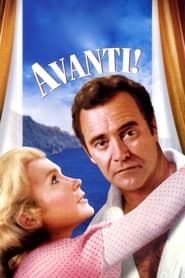
1970s2 titlesFThe Front Page1974 · as Director66.2AAvanti!1972 · as Director52.9
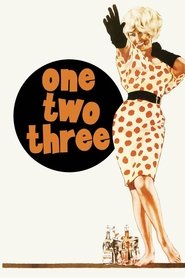
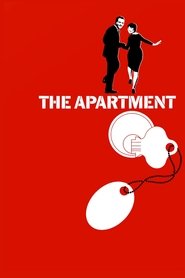
1960s4 titlesFThe Fortune Cookie1966 · as Director71.0IIrma la Douce1963 · as Director68.8OOne, Two, Three1961 · as Director75.3AThe Apartment1960 · as Director82.5
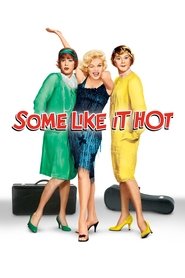
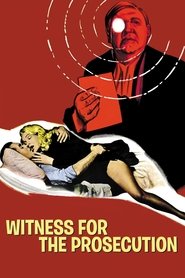
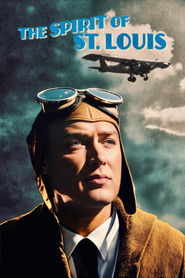
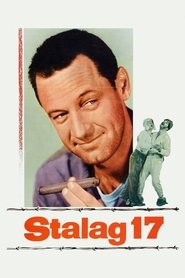
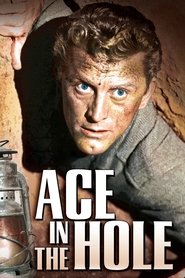
1950s8 titlesSSome Like It Hot1959 · as Director82.1WWitness for the Prosecution1957 · as Director82.6SThe Spirit of St. Louis1957 · as Director53.3LLove in the Afternoon1957 · as Director52.5SSabrina1954 · as Director73.8SStalag 171953 · as Director77.7AAce in the Hole1951 · as Director77.0SSunset Boulevard1950 · as Director83.9
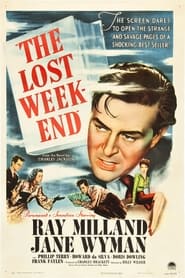
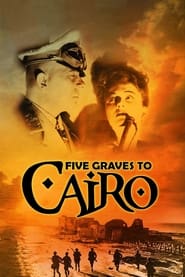
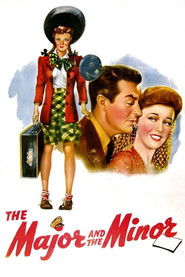
1940s5 titlesAA Foreign Affair1948 · as Director55.6LThe Lost Weekend1945 · as Director74.2DDouble Indemnity1944 · as Director83.0FFive Graves to Cairo1943 · as Director55.8MThe Major and the Minor1942 · as Director55.6

Browse the ranked list

you've reached the bottom
goodrecmovies
movies worth your night.

This product uses TMDB and the TMDB APIs but is not endorsed, certified, or otherwise approved by TMDB.

← back

Billy Wilder

B
born1906
died2002
known forDirecting
titles on site20
best title rank#31 · Sunset Boulevard (1950)
avg GRM69.1
honors22 · Academy Award — Best Writing, Original Screenplay, 1961
Honors
  • 1961Academy Award — Best Writing, Original Screenplay
  • 1961Academy Award — Best Picture
  • 1946Academy Award — Best Director
  • 1946Academy Award — Best Writing, Adapted Screenplay
  • 1946Palme d'Or
  • 1955Golden Globe Award — Best Screenplay
  • 1951Golden Globe Award — Best Director
  • 1995BAFTA Fellowship
  • 1961BAFTA — Best Film
  • 2000Knight Commander's Cross of the Order of Merit of the Federal Republic of Germany
  • 2000honorary citizen of Vienna
  • 1994Goethe Medal
  • 1993Berliner Bär
  • 1992European Film Academy Lifetime Achievement Award
  • 1990Kennedy Center Honors
  • 1986AFI Life Achievement Award
  • —Directors Guild of America Award
  • —National Medal of Arts
  • —National Board of Review Award — Best Film
  • —David di Donatello — Best Foreign Director
  • —Great Golden Medal of Honour — Services to the Republic of Austria
  • —star on Hollywood Walk of Fame
Billy Wilder, born Samuel Wilder; (22 June 1906 - 27 March 2002) was an Austrian-born director, screenwriter and producer who is regarded as one of the most successful filmmakers of Hollywood's golden age. Today he is best known for his comedies, although he also directed dramas and film noirs. Wilder is one of only five people who have won Academy Awards as producer, director, and writer for the same film (The Apartment). Wilder's career began in Germany, where he worked as a writer for comedy films from 1930. After the Nazis seized power in 1933, he emigrated to the United States, where he continued to write screenplays, including Ernst Lubitsch's Ninotchka (1939) and Howard Hawks' Ball of Fire (1941). From the early 1940s, Wilder was allowed to film his own screenplays and thus made a name for himself as a director. Initially, his greatest successes included predominantly dramatic film noirs such as Double Indemnity (1944), The Lost Weekend (1945), Sunset Boulevard (1950) and Ace in the Hole (1951). It was only then that he increasingly turned to comedy, including Stalag 17 (1953), Sabrina (1954) and The Seven Year Itch (1955), although he made a small detour to courtroom drama with Witness for the Prosecution (1957). With Some Like It Hot (1959) and The Apartment (1960) he made his most famous and probably most successful comedy films, the latter even receiving five Oscars. In One, Two, Three (1961), Wilder dealt with the conditions of the time in his former adopted country, Germany, and made the successful romantic comedy Irma la Douce (1963). In the two decades that followed, Wilder made seven more films, which were less well received by critics and audiences, although the German-French drama Fedora (1978) is viewed somewhat more favorably today by predominantly pretentious film experts. Some time later, Wilder was under discussion as director for Schindler's List, which he had wanted as the end of his long career, but ultimately had to turn it down due to his advanced age.

Filmography

ranked on this site
Browse the ranked list