Directing

Roman Polanski

born 1933 · Directing

65.8avg grm
22titles
#37best rank
15honors
Pbest title · #37 on siteThe Pianist2002 · as Director83.7

Honors

15
2011César Award — Best Director
2003Academy Award — Best Director
2006European Film Academy Lifetime Achievement Award
2010European Film Award — Best Film
2010Silver Bear — Best Director
Honors
  • 2011César Award — Best Director
  • 2003Academy Award — Best Director
  • 2006European Film Academy Lifetime Achievement Award
  • 2010European Film Award — Best Film
  • 2010Silver Bear — Best Director
  • 2003BAFTA — Best Direction
  • 2020César Award — Best Adaptation
  • 2010European Film Award — Best Director
  • 1999European Film Academy Achievement in World Cinema Award
  • 2010European Film Award — Best Screenwriter
  • —National Board of Review Award — Best Film
  • —Commander of the Legion of Honour
  • —Golden Medal — Merit to Culture
  • 2011Honorary Lumière Award
  • 2000honorary citizen of Łódź

Bio

Roman Polański (born 18 August 1933) is a Polish-French film director, producer, writer and actor. Born in Paris to Polish parents, Polański relocated with his family to Poland in 1937. After surviving the Holocaust, he continued his education in Poland and became a critically acclaimed director of both art house and commercial films. Polański's first feature-length film, Knife in the Water (1962), made in Poland, was nominated for an Academy Award for Best Foreign Language Film. He has since received five more Oscar nominations, and in 2002 received the Academy Award for Best Director for his film, The Pianist. He has also been the recipient of two Baftas, four Césars, a Golden Globe and the Palme d'Or. He left Poland in 1961 to live in France for several years, then moved to the United Kingdom where he collaborated with Gérard Brach on three films, beginning with Repulsion (1965). In 1968 he moved to the United States, immediately cementing his burgeoning directing status with the 1968 groundbreaking Academy Award winning horror film Rosemary's Baby. In 1969, Polański's pregnant wife, Sharon Tate, was murdered while staying at the Polańskis' Benedict Canyon home above Los Angeles by members of the Manson Family. Following Tate's death, Polański returned to Europe and spent much of his time in Paris and Gstaad, but did not make another film until he filmed Macbeth (1971) in England. The following year he went to Italy to make What? (1973) and subsequently spent the next five years living near Rome. However, he traveled to Hollywood to direct Chinatown (1974) for Paramount Pictures, with Robert Evans serving as producer. The film was nominated for eleven Academy Awards, and was a critical and box-office success; the script by Robert Towne won for Best Original Screenplay. Polański's next film, The Tenant (1976), was shot in France, and completed the "Apartment Trilogy", following Repulsion and Rosemary's Baby. In 1977, after a photo shoot in Los Angeles, Polański was arrested for the sexual abuse of a 13 year old girl. He was charged with rape but pleaded guilty to unlawful sex with a minor. To avoid sentencing, Polański fled to his home in London, and then moved on to France the following day. He has had a U.S. arrest warrant outstanding since then, and an international arrest warrant since 2005. Polański continued to make films such as The Pianist (2002), a World War II-set adaptation of Jewish-Polish musician Władysław Szpilman's autobiography of the same name, which echoed some of Polański's earlier life experiences. Like Szpilman, Polański escaped the ghetto and the concentration camps while family members were killed. The film won three Academy Awards including Best Director, the Cannes Film Festival's Palme d'Or, and seven French César Awards including Best Picture and Best Director. He then released the successful films Oliver Twist (2005), To Each His Own Cinema (2007), and The Ghost Writer (2010), completed while under house arrest. In September 2009, Polański was arrested by Swiss police, at the request of U.S. authorities, when he traveled to receive a lifetime achievement award at the Zurich Film Festival. In October 2009, the U.S. requested his extradition; however, on July 12, 2010, the Swiss rejected that request and instead declared him a "free man" after releasing him from custody.

Biography

Roman Polański (born 18 August 1933) is a Polish-French film director, producer, writer and actor. Born in Paris to Polish parents, Polański relocated with his family to Poland in 1937. After surviving the Holocaust, he continued his education in Poland and became a critically acclaimed director of both art house and commercial films. Polański's first feature-length film, Knife in the Water (1962), made in Poland, was nominated for an Academy Award for Best Foreign Language Film. He has since received five more Oscar nominations, and in 2002 received the Academy Award for Best Director for his film, The Pianist. He has also been the recipient of two Baftas, four Césars, a Golden Globe and the Palme d'Or. He left Poland in 1961 to live in France for several years, then moved to the United Kingdom where he collaborated with Gérard Brach on three films, beginning with Repulsion (1965). In 1968 he moved to the United States, immediately cementing his burgeoning directing status with the 1968 groundbreaking Academy Award winning horror film Rosemary's Baby. In 1969, Polański's pregnant wife, Sharon Tate, was murdered while staying at the Polańskis' Benedict Canyon home above Los Angeles by members of the Manson Family. Following Tate's death, Polański returned to Europe and spent much of his time in Paris and Gstaad, but did not make another film until he filmed Macbeth (1971) in England. The following year he went to Italy to make What? (1973) and subsequently spent the next five years living near Rome. However, he traveled to Hollywood to direct Chinatown (1974) for Paramount Pictures, with Robert Evans serving as producer. The film was nominated for eleven Academy Awards, and was a critical and box-office success; the script by Robert Towne won for Best Original Screenplay. Polański's next film, The Tenant (1976), was shot in France, and completed the "Apartment Trilogy", following Repulsion and Rosemary's Baby. In 1977, after a photo shoot in Los Angeles, Polański was arrested for the sexual abuse of a 13 year old girl. He was charged with rape but pleaded guilty to unlawful sex with a minor. To avoid sentencing, Polański fled to his home in London, and then moved on to France the following day. He has had a U.S. arrest warrant outstanding since then, and an international arrest warrant since 2005. Polański continued to make films such as The Pianist (2002), a World War II-set adaptation of Jewish-Polish musician Władysław Szpilman's autobiography of the same name, which echoed some of Polański's earlier life experiences. Like Szpilman, Polański escaped the ghetto and the concentration camps while family members were killed. The film won three Academy Awards including Best Director, the Cannes Film Festival's Palme d'Or, and seven French César Awards including Best Picture and Best Director. He then released the successful films Oliver Twist (2005), To Each His Own Cinema (2007), and The Ghost Writer (2010), completed while under house arrest. In September 2009, Polański was arrested by Swiss police, at the request of U.S. authorities, when he traveled to receive a lifetime achievement award at the Zurich Film Festival. In October 2009, the U.S. requested his extradition; however, on July 12, 2010, the Swiss rejected that request and instead declared him a "free man" after releasing him from custody.

Filmography

ranked on this site
2010s6 titlesAAn Officer and a Spy2019 · as Director68.2WWeekend of a Champion2013 · as Self58.5VVenus in Fur2013 · as Director52.4RRoman Polanski: A Film Memoir2011 · as Self56.5CCarnage2011 · as Director51.7GThe Ghost Writer2010 · as Director53.2
2000s1 titlePThe Pianist2002 · as Director83.7
1990s4 titlesDDeath and the Maiden1994 · as Director70.0AA Pure Formality1994 · as Inspector57.9HHollywood U.K. British Cinema in the Sixties1993 · as Self - Contributor · series64.3BBitter Moon1992 · as Director66.2
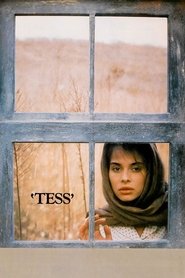
1970s5 titlesTTess1979 · as Director71.3TThe Tenant1976 · as Trelkovsky72.4CChinatown1974 · as Man with Knife81.2WWeekend of a Champion1972 · as Self57.5MMacbeth1971 · as Director67.3
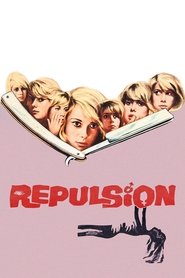
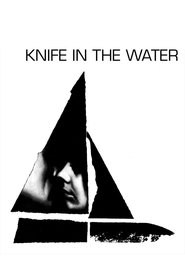
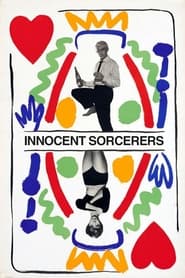
1960s5 titlesRRosemary's Baby1968 · as Director80.5RRepulsion1965 · as Director75.6KKnife in the Water1962 · as Young Man74.3KKnife in the Water1962 · as Young Man74.3IInnocent Sorcerers1960 · as Dudzio57.1
1950s1 titleAA Generation1955 · as Mundek54.9

Browse the ranked list

you've reached the bottom
goodrecmovies
movies worth your night.

This product uses TMDB and the TMDB APIs but is not endorsed, certified, or otherwise approved by TMDB.

← back

Roman Polanski

R
born1933
known forDirecting
titles on site22
best title rank#37 · The Pianist (2002)
avg GRM65.8
honors15 · César Award — Best Director, 2011
Honors
  • 2011César Award — Best Director
  • 2003Academy Award — Best Director
  • 2006European Film Academy Lifetime Achievement Award
  • 2010European Film Award — Best Film
  • 2010Silver Bear — Best Director
  • 2003BAFTA — Best Direction
  • 2020César Award — Best Adaptation
  • 2010European Film Award — Best Director
  • 1999European Film Academy Achievement in World Cinema Award
  • 2010European Film Award — Best Screenwriter
  • —National Board of Review Award — Best Film
  • —Commander of the Legion of Honour
  • —Golden Medal — Merit to Culture
  • 2011Honorary Lumière Award
  • 2000honorary citizen of Łódź
Roman Polański (born 18 August 1933) is a Polish-French film director, producer, writer and actor. Born in Paris to Polish parents, Polański relocated with his family to Poland in 1937. After surviving the Holocaust, he continued his education in Poland and became a critically acclaimed director of both art house and commercial films. Polański's first feature-length film, Knife in the Water (1962), made in Poland, was nominated for an Academy Award for Best Foreign Language Film. He has since received five more Oscar nominations, and in 2002 received the Academy Award for Best Director for his film, The Pianist. He has also been the recipient of two Baftas, four Césars, a Golden Globe and the Palme d'Or. He left Poland in 1961 to live in France for several years, then moved to the United Kingdom where he collaborated with Gérard Brach on three films, beginning with Repulsion (1965). In 1968 he moved to the United States, immediately cementing his burgeoning directing status with the 1968 groundbreaking Academy Award winning horror film Rosemary's Baby. In 1969, Polański's pregnant wife, Sharon Tate, was murdered while staying at the Polańskis' Benedict Canyon home above Los Angeles by members of the Manson Family. Following Tate's death, Polański returned to Europe and spent much of his time in Paris and Gstaad, but did not make another film until he filmed Macbeth (1971) in England. The following year he went to Italy to make What? (1973) and subsequently spent the next five years living near Rome. However, he traveled to Hollywood to direct Chinatown (1974) for Paramount Pictures, with Robert Evans serving as producer. The film was nominated for eleven Academy Awards, and was a critical and box-office success; the script by Robert Towne won for Best Original Screenplay. Polański's next film, The Tenant (1976), was shot in France, and completed the "Apartment Trilogy", following Repulsion and Rosemary's Baby. In 1977, after a photo shoot in Los Angeles, Polański was arrested for the sexual abuse of a 13 year old girl. He was charged with rape but pleaded guilty to unlawful sex with a minor. To avoid sentencing, Polański fled to his home in London, and then moved on to France the following day. He has had a U.S. arrest warrant outstanding since then, and an international arrest warrant since 2005. Polański continued to make films such as The Pianist (2002), a World War II-set adaptation of Jewish-Polish musician Władysław Szpilman's autobiography of the same name, which echoed some of Polański's earlier life experiences. Like Szpilman, Polański escaped the ghetto and the concentration camps while family members were killed. The film won three Academy Awards including Best Director, the Cannes Film Festival's Palme d'Or, and seven French César Awards including Best Picture and Best Director. He then released the successful films Oliver Twist (2005), To Each His Own Cinema (2007), and The Ghost Writer (2010), completed while under house arrest. In September 2009, Polański was arrested by Swiss police, at the request of U.S. authorities, when he traveled to receive a lifetime achievement award at the Zurich Film Festival. In October 2009, the U.S. requested his extradition; however, on July 12, 2010, the Swiss rejected that request and instead declared him a "free man" after releasing him from custody.

Filmography

ranked on this site

Browse the ranked list