Directing

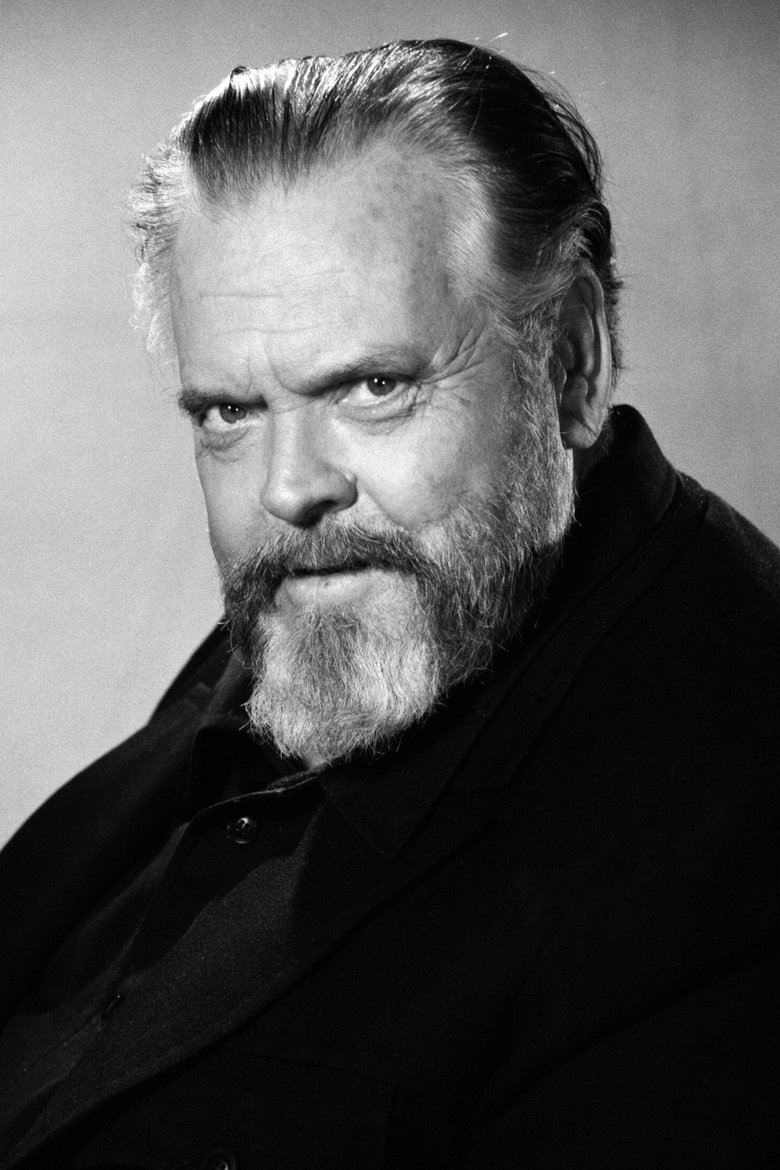
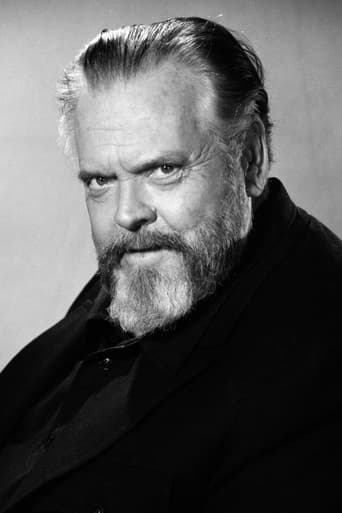
Orson Welles

1915–1985 · Directing
62.7avg grm
36titles
#56best rank
9honors
Cbest title · #56 on siteCitizen Kane1941 · as Kane82.8

Honors

9
1942Academy Award — Best Writing, Original Screenplay
1952Palme d'Or
1970Golden Lion
1975AFI Life Achievement Award
1970Academy Honorary Award
Honors
  • 1942Academy Award — Best Writing, Original Screenplay
  • 1952Palme d'Or
  • 1970Golden Lion
  • 1975AFI Life Achievement Award
  • 1970Academy Honorary Award
  • 1982Commander of the Legion of Honour
  • 1974honorary doctorate from the University of Paris-VII
  • —National Board of Review Award — Best Film
  • —star on Hollywood Walk of Fame

Bio

George Orson Welles (May 6, 1915 – October 10, 1985) was an American film director, actor, theatre director, screenwriter, and producer, who worked extensively in film, theatre, television and radio. Noted for his innovative dramatic productions as well as his distinctive voice and personality, Welles is widely acknowledged as one of the most accomplished dramatic artists of the twentieth century, especially for his significant and influential early work—despite his notoriously contentious relationship with Hollywood. His distinctive directorial style featured layered, nonlinear narrative forms, innovative uses of lighting such as chiaroscuro, unique camera angles, sound techniques borrowed from radio, deep focus shots, and long takes. Welles's long career in film is noted for his struggle for artistic control in the face of pressure from studios. Many of his films were heavily edited and others left unreleased. He has been praised as a major creative force and as "the ultimate auteur." After directing a number of high-profile theatrical productions in his early twenties, including an innovative adaptation of Macbeth and The Cradle Will Rock, Welles found national and international fame as the director and narrator of a 1938 radio adaptation of H. G. Wells's novel The War of the Worlds performed for the radio drama anthology series Mercury Theatre on the Air. It was reported to have caused widespread panic when listeners thought that an invasion by extraterrestrial beings was occurring. Although these reports of panic were mostly false and overstated, they rocketed Welles to instant notoriety. Citizen Kane (1941), his first film with RKO, in which he starred in the role of Charles Foster Kane, is often considered the greatest film ever made. Several of his other films, including The Magnificent Ambersons (1942), The Lady from Shanghai (1947), Touch of Evil (1958), Chimes at Midnight (1965), and F for Fake (1974), are also widely considered to be masterpieces. In 2002, he was voted the greatest film director of all time in two separate British Film Institute polls among directors and critics, and a wide survey of critical consensus, best-of lists, and historical retrospectives calls him the most acclaimed director of all time. Andrew Sarris in his influential book of film criticism The American Cinema: Directors and Directions 1929–1968 included him in the "pantheon" of the 14 greatest film directors who had worked in the United States. Well known for his baritone voice, Welles was also an extremely well regarded actor and was voted number 16 in AFI's 100 Years... 100 Stars list of the greatest American film actors of all time. He was also a celebrated Shakespearean stage actor and an accomplished magician, starring in troop variety shows in the war years.

Biography

George Orson Welles (May 6, 1915 – October 10, 1985) was an American film director, actor, theatre director, screenwriter, and producer, who worked extensively in film, theatre, television and radio. Noted for his innovative dramatic productions as well as his distinctive voice and personality, Welles is widely acknowledged as one of the most accomplished dramatic artists of the twentieth century, especially for his significant and influential early work—despite his notoriously contentious relationship with Hollywood. His distinctive directorial style featured layered, nonlinear narrative forms, innovative uses of lighting such as chiaroscuro, unique camera angles, sound techniques borrowed from radio, deep focus shots, and long takes. Welles's long career in film is noted for his struggle for artistic control in the face of pressure from studios. Many of his films were heavily edited and others left unreleased. He has been praised as a major creative force and as "the ultimate auteur." After directing a number of high-profile theatrical productions in his early twenties, including an innovative adaptation of Macbeth and The Cradle Will Rock, Welles found national and international fame as the director and narrator of a 1938 radio adaptation of H. G. Wells's novel The War of the Worlds performed for the radio drama anthology series Mercury Theatre on the Air. It was reported to have caused widespread panic when listeners thought that an invasion by extraterrestrial beings was occurring. Although these reports of panic were mostly false and overstated, they rocketed Welles to instant notoriety. Citizen Kane (1941), his first film with RKO, in which he starred in the role of Charles Foster Kane, is often considered the greatest film ever made. Several of his other films, including The Magnificent Ambersons (1942), The Lady from Shanghai (1947), Touch of Evil (1958), Chimes at Midnight (1965), and F for Fake (1974), are also widely considered to be masterpieces. In 2002, he was voted the greatest film director of all time in two separate British Film Institute polls among directors and critics, and a wide survey of critical consensus, best-of lists, and historical retrospectives calls him the most acclaimed director of all time. Andrew Sarris in his influential book of film criticism The American Cinema: Directors and Directions 1929–1968 included him in the "pantheon" of the 14 greatest film directors who had worked in the United States. Well known for his baritone voice, Welles was also an extremely well regarded actor and was voted number 16 in AFI's 100 Years... 100 Stars list of the greatest American film actors of all time. He was also a celebrated Shakespearean stage actor and an accomplished magician, starring in troop variety shows in the war years.

Filmography

ranked on this site
2020s1 titleHHopper/Welles2020 · as Self58.0
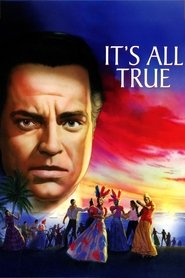
1990s1 titleIIt's All True1993 · as Director57.0
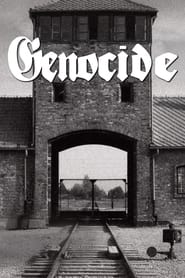
1980s5 titlesTThe Transformers: The Movie1986 · as Unicron64.5RThe Road to Bresson1984 · as Self58.0GGenocide1982 · as Narrator58.1FFilming 'The Trial'1981 · as Self58.5SThe Secret Life of Nikola Tesla1980 · as J.P. Morgan56.8
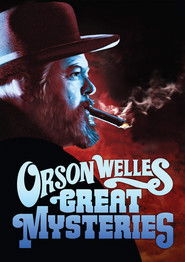
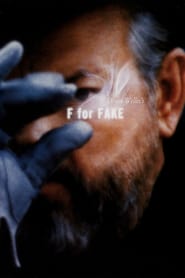
1970s7 titlesFFilming 'Othello'1978 · as Host58.3FFilming 'Othello'1978 · as Othello58.3OOrson Welles Great Mysteries1973 · as Self - Host · series63.2FF for Fake1973 · as Self - Narrator60.5DDirected by John Ford1971 · as Narrator59.4SSoft Self-Portrait of Salvador Dali1970 · as Narrator58.7WWaterloo1970 · as Louis XVIII58.0
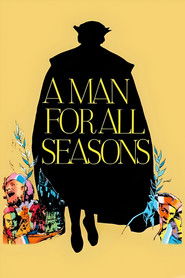
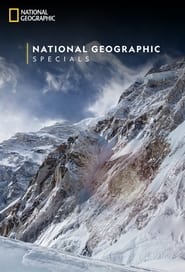
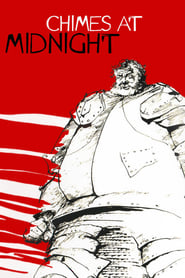
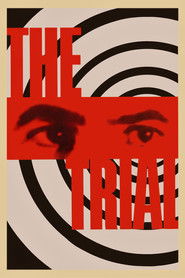
1960s6 titlesTTo Build a Fire1969 · as Narrator58.3AA Man for All Seasons1966 · as Cardinal Wolsey74.7NNational Geographic Specials1965 · as Self - Narrator · series64.0NNational Geographic Specials1965 · as Narrator · series64.0CChimes at Midnight1965 · as Sir John Falstaff59.1TThe Trial1962 · as Director70.0
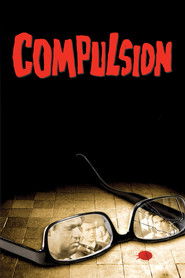
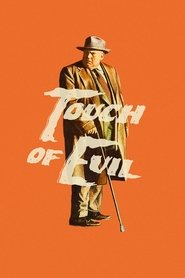
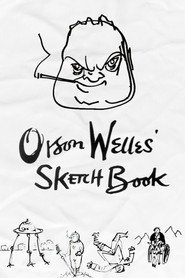
1950s7 titlesCCompulsion1959 · as Jonathan Wilk56.8TTouch of Evil1958 · as Police Captain Hank Quinlan79.7LThe Long, Hot Summer1958 · as Will Varner55.4OOrson Welles' Sketch Book1955 · as Self - Host · series64.0AAround the World with Orson Welles1955 · as Self - Host · series63.9CConfidential Report1955 · as Gregory Arkadin53.1OOthello1951 · as Othello58.0
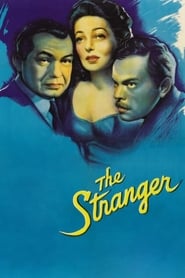
1940s9 titlesTThe Third Man1949 · as Harry Lime81.7MMacbeth1948 · as Macbeth56.9LThe Lady from Shanghai1947 · as Michael O'Hara69.4SThe Stranger1946 · as Prof. Charles Rankin72.9TTomorrow Is Forever1946 · as John Andrew MacDonald56.5TTomorrow Is Forever1946 · as Erik Kessler56.5JJane Eyre1943 · as Edward Rochester56.8MThe Magnificent Ambersons1942 · as Narrator75.6CCitizen Kane1941 · as Kane82.8
Browse the ranked list

you've reached the bottom
goodrecmovies
movies worth your night.

This product uses TMDB and the TMDB APIs but is not endorsed, certified, or otherwise approved by TMDB.

← back

Orson Welles

O
born1915
died1985
known forDirecting
titles on site36
best title rank#56 · Citizen Kane (1941)
avg GRM62.7
honors9 · Academy Award — Best Writing, Original Screenplay, 1942
Honors
  • 1942Academy Award — Best Writing, Original Screenplay
  • 1952Palme d'Or
  • 1970Golden Lion
  • 1975AFI Life Achievement Award
  • 1970Academy Honorary Award
  • 1982Commander of the Legion of Honour
  • 1974honorary doctorate from the University of Paris-VII
  • —National Board of Review Award — Best Film
  • —star on Hollywood Walk of Fame
George Orson Welles (May 6, 1915 – October 10, 1985) was an American film director, actor, theatre director, screenwriter, and producer, who worked extensively in film, theatre, television and radio. Noted for his innovative dramatic productions as well as his distinctive voice and personality, Welles is widely acknowledged as one of the most accomplished dramatic artists of the twentieth century, especially for his significant and influential early work—despite his notoriously contentious relationship with Hollywood. His distinctive directorial style featured layered, nonlinear narrative forms, innovative uses of lighting such as chiaroscuro, unique camera angles, sound techniques borrowed from radio, deep focus shots, and long takes. Welles's long career in film is noted for his struggle for artistic control in the face of pressure from studios. Many of his films were heavily edited and others left unreleased. He has been praised as a major creative force and as "the ultimate auteur." After directing a number of high-profile theatrical productions in his early twenties, including an innovative adaptation of Macbeth and The Cradle Will Rock, Welles found national and international fame as the director and narrator of a 1938 radio adaptation of H. G. Wells's novel The War of the Worlds performed for the radio drama anthology series Mercury Theatre on the Air. It was reported to have caused widespread panic when listeners thought that an invasion by extraterrestrial beings was occurring. Although these reports of panic were mostly false and overstated, they rocketed Welles to instant notoriety. Citizen Kane (1941), his first film with RKO, in which he starred in the role of Charles Foster Kane, is often considered the greatest film ever made. Several of his other films, including The Magnificent Ambersons (1942), The Lady from Shanghai (1947), Touch of Evil (1958), Chimes at Midnight (1965), and F for Fake (1974), are also widely considered to be masterpieces. In 2002, he was voted the greatest film director of all time in two separate British Film Institute polls among directors and critics, and a wide survey of critical consensus, best-of lists, and historical retrospectives calls him the most acclaimed director of all time. Andrew Sarris in his influential book of film criticism The American Cinema: Directors and Directions 1929–1968 included him in the "pantheon" of the 14 greatest film directors who had worked in the United States. Well known for his baritone voice, Welles was also an extremely well regarded actor and was voted number 16 in AFI's 100 Years... 100 Stars list of the greatest American film actors of all time. He was also a celebrated Shakespearean stage actor and an accomplished magician, starring in troop variety shows in the war years.

Filmography

ranked on this site

Browse the ranked list