Acting

Gregory Peck

1916–2003 · Acting

64.1avg grm
27titles
#131best rank
18honors
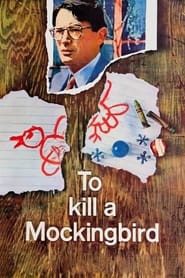
Tbest title · #131 on siteTo Kill a Mockingbird1962 · as Atticus Finch81.0

Honors

18
1969Presidential Medal of Freedom
1963Academy Award — Best Actor
1968Jean Hersholt Humanitarian Award
1993Honorary Golden Bear
1989AFI Life Achievement Award
Honors
  • 1969Presidential Medal of Freedom
  • 1963Academy Award — Best Actor
  • 1968Jean Hersholt Humanitarian Award
  • 1993Honorary Golden Bear
  • 1989AFI Life Achievement Award
  • 1963Golden Globe Award — Best Actor – Motion Picture Drama
  • 1968Golden Globe Cecil B. DeMille Award
  • 1995Honorary César
  • 1986Donostia Award
  • 1950Henrietta Award
  • 1970SAG-AFTRA Life Achievement Award
  • 1991Kennedy Center Honors
  • 1947Golden Globe Award — Best Actor (lead)
  • 1963David di Donatello — Best Foreign Actor
  • 1999Marian Anderson Award
  • —National Medal of Arts
  • —Commandeur des Arts et des Lettres
  • —star on Hollywood Walk of Fame

Bio

Eldred Gregory Peck (April 5, 1916 – June 12, 2003) was an American actor and one of the most popular film stars from the 1940s to the 1970s. In 1999, the American Film Institute named Peck the 12th-greatest male star of Classic Hollywood Cinema. After studying at the Neighborhood Playhouse with Sanford Meisner, Peck began appearing in stage productions, acting in over 50 plays and three Broadway productions. He first gained critical success in The Keys of the Kingdom (1944), a John M. Stahl–directed drama which earned him his first Academy Award nomination. He starred in a series of successful films, including romantic-drama The Valley of Decision (1944), Alfred Hitchcock's Spellbound (1945), and family film The Yearling (1946). He encountered lukewarm commercial reviews at the end of the 1940s, his performances including The Paradine Case (1947) and The Great Sinner (1948). Peck reached global recognition in the 1950s and 1960s, appearing back-to-back in the book-to-film adaptation of Captain Horatio Hornblower (1951) and biblical drama David and Bathsheba (1951). He starred alongside Ava Gardner in The Snows of Kilimanjaro (1952) and Audrey Hepburn in Roman Holiday (1953), which earned Peck a Golden Globe award. Other notable films in which he appeared include Moby Dick (1956, and its 1998 mini-series), The Guns of Navarone (1961), Cape Fear (1962, and its 1991 remake), The Omen (1976), and The Boys from Brazil (1978). Throughout his career, he often portrayed protagonists with "fiber" within a moral setting. Gentleman's Agreement (1947) centered on topics of antisemitism, while Peck's character in Twelve O'Clock High (1949) dealt with post-traumatic stress disorder during World War II. He won the Academy Award for Best Actor for his performance as Atticus Finch in To Kill a Mockingbird (1962), an adaptation of the modern classic of the same name which revolved around racial inequality, for which he received universal acclaim. In 1983, he starred opposite Christopher Plummer in The Scarlet and The Black as Hugh O'Flaherty, a Catholic priest who saved thousands of escaped Allied POWs and Jewish people in Rome during the Second World War. Peck was also active in politics, challenging the House Un-American Activities Committee in 1947 and was regarded as a political opponent by President Richard Nixon. President Lyndon B. Johnson honored Peck with the Presidential Medal of Freedom in 1969 for his lifetime humanitarian efforts. Peck died in his sleep from bronchopneumonia at the age of 87.

Biography

Eldred Gregory Peck (April 5, 1916 – June 12, 2003) was an American actor and one of the most popular film stars from the 1940s to the 1970s. In 1999, the American Film Institute named Peck the 12th-greatest male star of Classic Hollywood Cinema. After studying at the Neighborhood Playhouse with Sanford Meisner, Peck began appearing in stage productions, acting in over 50 plays and three Broadway productions. He first gained critical success in The Keys of the Kingdom (1944), a John M. Stahl–directed drama which earned him his first Academy Award nomination. He starred in a series of successful films, including romantic-drama The Valley of Decision (1944), Alfred Hitchcock's Spellbound (1945), and family film The Yearling (1946). He encountered lukewarm commercial reviews at the end of the 1940s, his performances including The Paradine Case (1947) and The Great Sinner (1948). Peck reached global recognition in the 1950s and 1960s, appearing back-to-back in the book-to-film adaptation of Captain Horatio Hornblower (1951) and biblical drama David and Bathsheba (1951). He starred alongside Ava Gardner in The Snows of Kilimanjaro (1952) and Audrey Hepburn in Roman Holiday (1953), which earned Peck a Golden Globe award. Other notable films in which he appeared include Moby Dick (1956, and its 1998 mini-series), The Guns of Navarone (1961), Cape Fear (1962, and its 1991 remake), The Omen (1976), and The Boys from Brazil (1978). Throughout his career, he often portrayed protagonists with "fiber" within a moral setting. Gentleman's Agreement (1947) centered on topics of antisemitism, while Peck's character in Twelve O'Clock High (1949) dealt with post-traumatic stress disorder during World War II. He won the Academy Award for Best Actor for his performance as Atticus Finch in To Kill a Mockingbird (1962), an adaptation of the modern classic of the same name which revolved around racial inequality, for which he received universal acclaim. In 1983, he starred opposite Christopher Plummer in The Scarlet and The Black as Hugh O'Flaherty, a Catholic priest who saved thousands of escaped Allied POWs and Jewish people in Rome during the Second World War. Peck was also active in politics, challenging the House Un-American Activities Committee in 1947 and was regarded as a political opponent by President Richard Nixon. President Lyndon B. Johnson honored Peck with the Presidential Medal of Freedom in 1969 for his lifetime humanitarian efforts. Peck died in his sleep from bronchopneumonia at the age of 87.

Filmography

ranked on this site
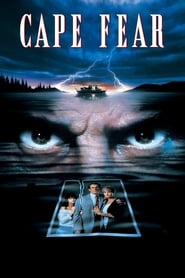
1990s1 titleCCape Fear1991 · as Lee Heller69.7
1980s2 titlesAAmerican Masters1985 · as Self - Narrator · series63.4AAmerican Masters1985 · as Self · series63.4
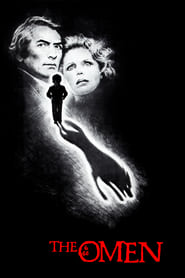
1970s4 titlesOThe Omen1976 · as Robert Thorn70.4AAFI Life Achievement Award1973 · as Self - Audience Member · series61.5AAFI Life Achievement Award1973 · as Self - Guest of Honor · series61.5AAFI Life Achievement Award1973 · as Self · series61.5
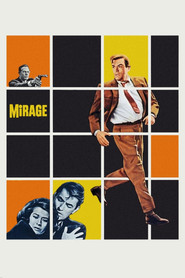
1960s6 titlesJJohn F. Kennedy: Years of Lightning, Day of Drums1965 · as Narrator58.6MMirage1965 · as David54.8TTo Kill a Mockingbird1962 · as Atticus Finch81.0CCape Fear1962 · as Sam Bowden75.0HHow the West Was Won1962 · as Cleve Van Valen (segment: The Plains)52.3GThe Guns of Navarone1961 · as Capt. Keith Mallory73.5
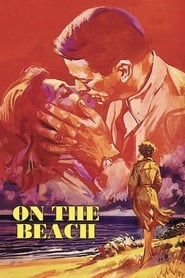
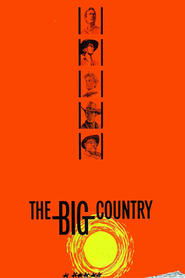
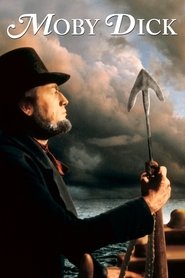
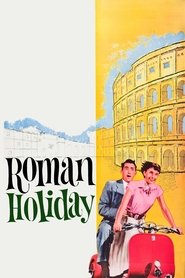
1950s7 titlesOOn the Beach1959 · as Cmdr. Dwight Lionel Towers52.6BThe Big Country1958 · as James McKay76.7MMoby Dick1956 · as Captain Ahab70.9MThe Man in the Gray Flannel Suit1956 · as Tom Rath54.4RRoman Holiday1953 · as Joe Bradley78.9CCaptain Horatio Hornblower1951 · as Capt. Horatio Hornblower R.N55.6GThe Gunfighter1950 · as Jimmy Ringo60.5
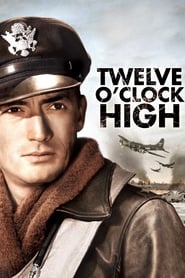
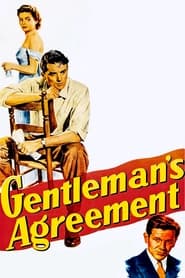
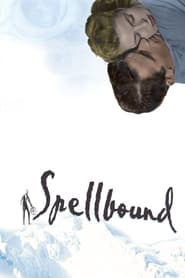
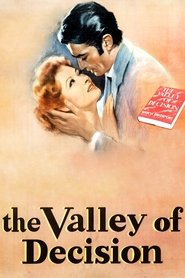
1940s7 titlesTTwelve O'Clock High1949 · as Gen. Savage72.9YYellow Sky1948 · as James 'Stretch' Dawson57.0GGentleman's Agreement1947 · as Philip Schuyler Green66.0YThe Yearling1946 · as Penny Baxter53.6SSpellbound1945 · as John Ballantyne73.1VThe Valley of Decision1945 · as Paul Scott56.7KThe Keys of the Kingdom1944 · as Father Francis Chisholm55.6

Browse the ranked list

you've reached the bottom
goodrecmovies
movies worth your night.

This product uses TMDB and the TMDB APIs but is not endorsed, certified, or otherwise approved by TMDB.

← back

Gregory Peck

G
born1916
died2003
known forActing
titles on site27
best title rank#131 · To Kill a Mockingbird (1962)
avg GRM64.1
honors18 · Presidential Medal of Freedom, 1969
Honors
  • 1969Presidential Medal of Freedom
  • 1963Academy Award — Best Actor
  • 1968Jean Hersholt Humanitarian Award
  • 1993Honorary Golden Bear
  • 1989AFI Life Achievement Award
  • 1963Golden Globe Award — Best Actor – Motion Picture Drama
  • 1968Golden Globe Cecil B. DeMille Award
  • 1995Honorary César
  • 1986Donostia Award
  • 1950Henrietta Award
  • 1970SAG-AFTRA Life Achievement Award
  • 1991Kennedy Center Honors
  • 1947Golden Globe Award — Best Actor (lead)
  • 1963David di Donatello — Best Foreign Actor
  • 1999Marian Anderson Award
  • —National Medal of Arts
  • —Commandeur des Arts et des Lettres
  • —star on Hollywood Walk of Fame
Eldred Gregory Peck (April 5, 1916 – June 12, 2003) was an American actor and one of the most popular film stars from the 1940s to the 1970s. In 1999, the American Film Institute named Peck the 12th-greatest male star of Classic Hollywood Cinema. After studying at the Neighborhood Playhouse with Sanford Meisner, Peck began appearing in stage productions, acting in over 50 plays and three Broadway productions. He first gained critical success in The Keys of the Kingdom (1944), a John M. Stahl–directed drama which earned him his first Academy Award nomination. He starred in a series of successful films, including romantic-drama The Valley of Decision (1944), Alfred Hitchcock's Spellbound (1945), and family film The Yearling (1946). He encountered lukewarm commercial reviews at the end of the 1940s, his performances including The Paradine Case (1947) and The Great Sinner (1948). Peck reached global recognition in the 1950s and 1960s, appearing back-to-back in the book-to-film adaptation of Captain Horatio Hornblower (1951) and biblical drama David and Bathsheba (1951). He starred alongside Ava Gardner in The Snows of Kilimanjaro (1952) and Audrey Hepburn in Roman Holiday (1953), which earned Peck a Golden Globe award. Other notable films in which he appeared include Moby Dick (1956, and its 1998 mini-series), The Guns of Navarone (1961), Cape Fear (1962, and its 1991 remake), The Omen (1976), and The Boys from Brazil (1978). Throughout his career, he often portrayed protagonists with "fiber" within a moral setting. Gentleman's Agreement (1947) centered on topics of antisemitism, while Peck's character in Twelve O'Clock High (1949) dealt with post-traumatic stress disorder during World War II. He won the Academy Award for Best Actor for his performance as Atticus Finch in To Kill a Mockingbird (1962), an adaptation of the modern classic of the same name which revolved around racial inequality, for which he received universal acclaim. In 1983, he starred opposite Christopher Plummer in The Scarlet and The Black as Hugh O'Flaherty, a Catholic priest who saved thousands of escaped Allied POWs and Jewish people in Rome during the Second World War. Peck was also active in politics, challenging the House Un-American Activities Committee in 1947 and was regarded as a political opponent by President Richard Nixon. President Lyndon B. Johnson honored Peck with the Presidential Medal of Freedom in 1969 for his lifetime humanitarian efforts. Peck died in his sleep from bronchopneumonia at the age of 87.

Filmography

ranked on this site

Browse the ranked list