Acting

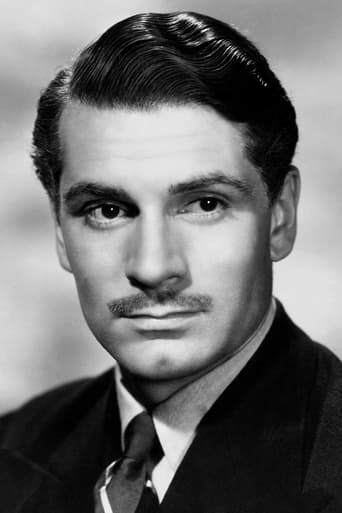
Laurence Olivier

1907–1989 · Acting

63.5avg grm
23titles
#221best rank
22honors
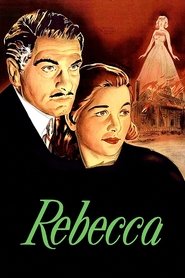
Rbest title · #221 on siteRebecca1940 · as 'Maxim' de Winter79.8

Honors

22
1949Academy Award — Best Actor
1984Emmy — Outstanding Lead Actor in a Miniseries or a Movie
1982Emmy — Outstanding Supporting Actor in a Miniseries or a Movie
1977Golden Globe Award — Best Supporting Actor – Motion Picture
1949Golden Globe Award — Best Actor (lead)
Honors
  • 1949Academy Award — Best Actor
  • 1984Emmy — Outstanding Lead Actor in a Miniseries or a Movie
  • 1982Emmy — Outstanding Supporting Actor in a Miniseries or a Movie
  • 1977Golden Globe Award — Best Supporting Actor – Motion Picture
  • 1949Golden Globe Award — Best Actor (lead)
  • 1976BAFTA Fellowship
  • 1970BAFTA — Best Actor (supporting)
  • 1988Feltrinelli Prize
  • 1983Golden Raspberry Award — Worst Actor
  • 1981Order of Merit
  • 1981Golden Raspberry Award — Worst Supporting Actor - Razzie Award
  • 1976Albert Medal
  • 1966Sonning Prize
  • 1947Academy Honorary Award
  • 1947Knight Bachelor
  • —National Board of Review Award — Best Film
  • —David di Donatello — Best Foreign Actor
  • —David di Donatello — best foreign production
  • —Donaldson Awards
  • —Society of London Theatre Special Award
  • —Officer of the Legion of Honour
  • —star on Hollywood Walk of Fame

Bio

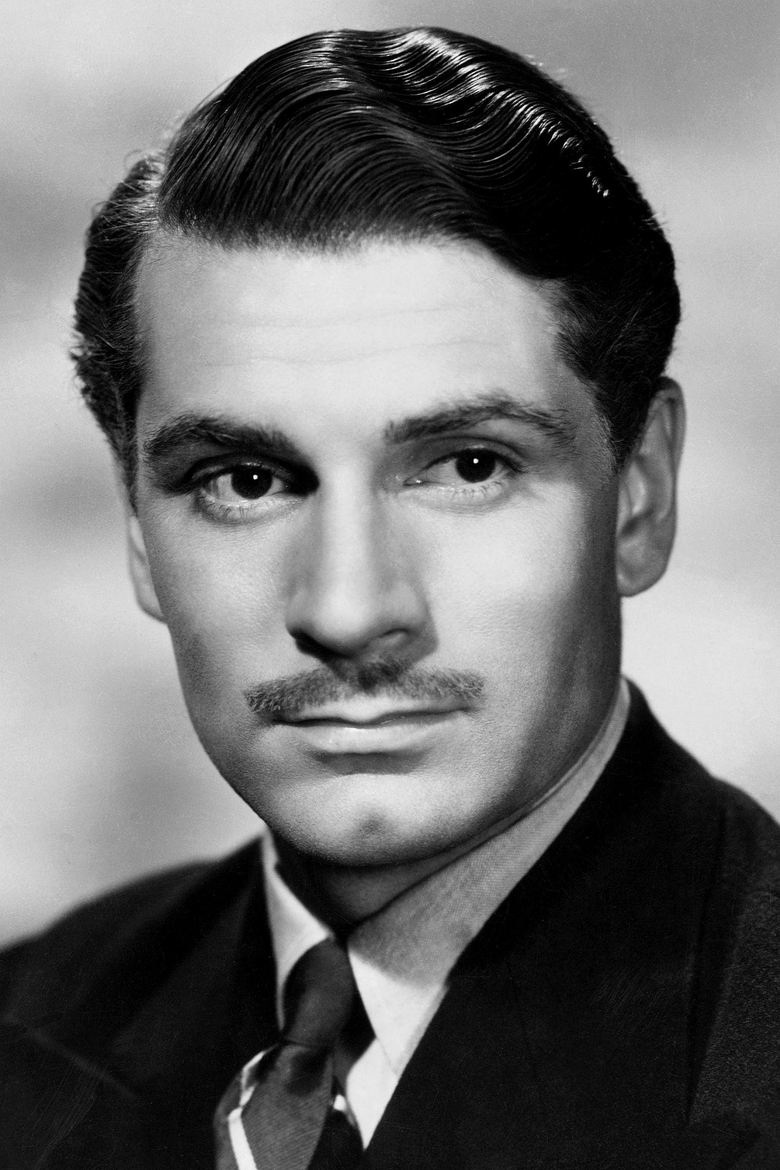
Laurence Kerr Olivier, Baron Olivier, OM (22 May 1907 – 11 July 1989) was an English actor and director who, along with his contemporaries Ralph Richardson, Peggy Ashcroft and John Gielgud, dominated the British stage of the mid-20th century. He also worked in films throughout his career, playing more than fifty cinema roles. Late in his career, he had considerable success in television roles. His family had no theatrical connections, but Olivier's father, a clergyman, decided that his son should become an actor. After attending a drama school in London, Olivier learned his craft in a succession of acting jobs during the late 1920s. In 1930 he had his first important West End success in Noël Coward's Private Lives, and he appeared in his first film. In 1935 he played in a celebrated production of Romeo and Juliet alongside Gielgud and Ashcroft, and by the end of the decade he was an established star. In the 1940s, together with Richardson and John Burrell, Olivier was the co-director of the Old Vic, building it into a highly respected company. There his most celebrated roles included Shakespeare's Richard III and Sophocles's Oedipus. In the 1950s Olivier was an independent actor-manager, but his stage career was in the doldrums until he joined the avant garde English Stage Company in 1957 to play the title role in The Entertainer, a part he later played on film. From 1963 to 1973 he was the founding director of Britain's National Theatre, running a resident company that fostered many future stars. His own parts there included the title role in Othello (1965) and Shylock in The Merchant of Venice (1970). Among Olivier's films are Wuthering Heights (1939), Rebecca (1940), and a trilogy of Shakespeare films as actor-director: Henry V (1944), Hamlet (1948), and Richard III (1955). His later films included The Shoes of the Fisherman (1968), Sleuth (1972), Marathon Man (1976), and The Boys from Brazil (1978). His television appearances included an adaptation of The Moon and Sixpence (1960), Long Day's Journey into Night (1973), Love Among the Ruins (1975), Cat on a Hot Tin Roof (1976), Brideshead Revisited (1981) and King Lear (1983). Olivier's honours included a knighthood (1947), a life peerage (1970) and the Order of Merit (1981). For his on-screen work he received four Academy Awards, two British Academy Film Awards, five Emmy Awards and three Golden Globe Awards. The National Theatre's largest auditorium is named in his honour, and he is commemorated in the Laurence Olivier Awards, given annually by the Society of London Theatre. He was married three times, to the actresses Jill Esmond from 1930 to 1940, Vivien Leigh from 1940 to 1960, and Joan Plowright from 1961 until his death.

Biography

Laurence Kerr Olivier, Baron Olivier, OM (22 May 1907 – 11 July 1989) was an English actor and director who, along with his contemporaries Ralph Richardson, Peggy Ashcroft and John Gielgud, dominated the British stage of the mid-20th century. He also worked in films throughout his career, playing more than fifty cinema roles. Late in his career, he had considerable success in television roles. His family had no theatrical connections, but Olivier's father, a clergyman, decided that his son should become an actor. After attending a drama school in London, Olivier learned his craft in a succession of acting jobs during the late 1920s. In 1930 he had his first important West End success in Noël Coward's Private Lives, and he appeared in his first film. In 1935 he played in a celebrated production of Romeo and Juliet alongside Gielgud and Ashcroft, and by the end of the decade he was an established star. In the 1940s, together with Richardson and John Burrell, Olivier was the co-director of the Old Vic, building it into a highly respected company. There his most celebrated roles included Shakespeare's Richard III and Sophocles's Oedipus. In the 1950s Olivier was an independent actor-manager, but his stage career was in the doldrums until he joined the avant garde English Stage Company in 1957 to play the title role in The Entertainer, a part he later played on film. From 1963 to 1973 he was the founding director of Britain's National Theatre, running a resident company that fostered many future stars. His own parts there included the title role in Othello (1965) and Shylock in The Merchant of Venice (1970). Among Olivier's films are Wuthering Heights (1939), Rebecca (1940), and a trilogy of Shakespeare films as actor-director: Henry V (1944), Hamlet (1948), and Richard III (1955). His later films included The Shoes of the Fisherman (1968), Sleuth (1972), Marathon Man (1976), and The Boys from Brazil (1978). His television appearances included an adaptation of The Moon and Sixpence (1960), Long Day's Journey into Night (1973), Love Among the Ruins (1975), Cat on a Hot Tin Roof (1976), Brideshead Revisited (1981) and King Lear (1983). Olivier's honours included a knighthood (1947), a life peerage (1970) and the Order of Merit (1981). For his on-screen work he received four Academy Awards, two British Academy Film Awards, five Emmy Awards and three Golden Globe Awards. The National Theatre's largest auditorium is named in his honour, and he is commemorated in the Laurence Olivier Awards, given annually by the Society of London Theatre. He was married three times, to the actresses Jill Esmond from 1930 to 1940, Vivien Leigh from 1940 to 1960, and Joan Plowright from 1961 until his death.

Filmography

ranked on this site
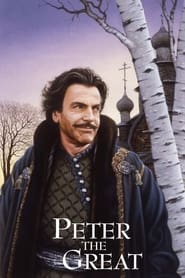
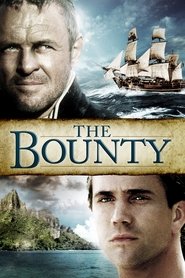
1980s3 titlesPPeter the Great1986 · as King William III of Orange · series65.2BThe Bounty1984 · as Admiral Hood52.1WWagner1983 · as Pfeuffer · series65.8
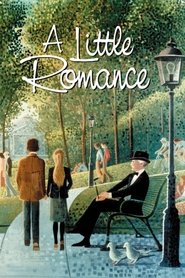
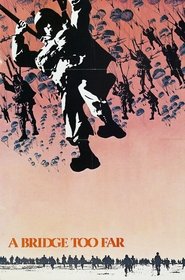
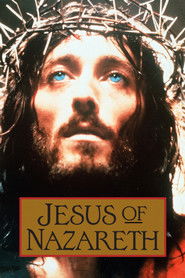
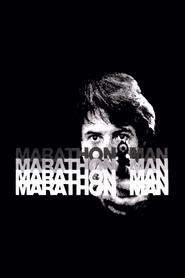
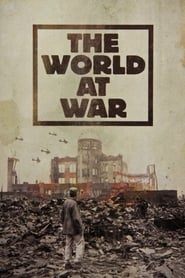
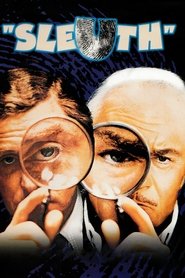
1970s7 titlesAA Little Romance1979 · as Julius56.9AA Bridge Too Far1977 · as Doctor Spaander67.5JJesus of Nazareth1977 · as Nicodemus · series66.4MMarathon Man1976 · as Dr. Christian Szell70.5GThe Gentleman Tramp1975 · as Narrator58.5WThe World at War1973 · as Self - Narrator · series69.1SSleuth1972 · as Andrew Wyke74.0
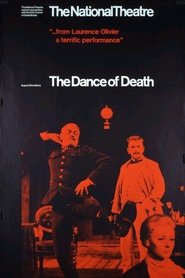
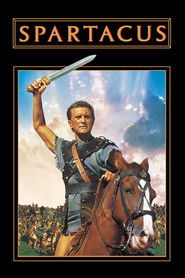
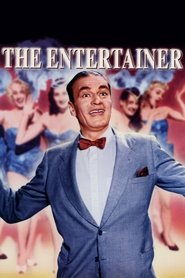
1960s5 titlesDThe Dance of Death1969 · as Edgar58.5UUncle Vanya1963 · as Dr. Astrov58.5TTerm of Trial1962 · as Graham Weir56.9SSpartacus1960 · as Crassus77.8EThe Entertainer1960 · as Archie Rice54.5
1950s2 titlesRRichard III1955 · as Richard III56.0CCarrie1952 · as George Hurstwood56.6
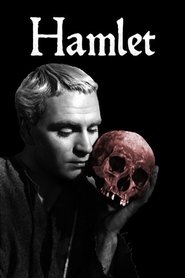
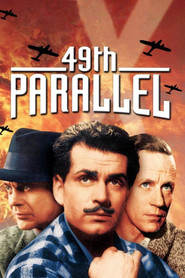
1940s5 titlesHHamlet1948 · as Hamlet, Prince of Denmark74.94The 49th Parallel1941 · as Johnnie, the Trapper (The Canadians)55.6TThat Hamilton Woman1941 · as Lord Horatio Nelson55.0RRebecca1940 · as 'Maxim' de Winter79.8PPride and Prejudice1940 · as Mr. Darcy55.5
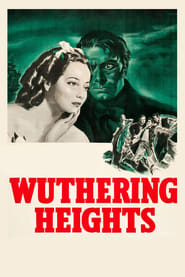
1930s1 titleWWuthering Heights1939 · as Heathcliff74.4
Browse the ranked list

you've reached the bottom
goodrecmovies
movies worth your night.

This product uses TMDB and the TMDB APIs but is not endorsed, certified, or otherwise approved by TMDB.

← back

Laurence Olivier

L
born1907
died1989
known forActing
titles on site23
best title rank#221 · Rebecca (1940)
avg GRM63.5
honors22 · Academy Award — Best Actor, 1949
Honors
  • 1949Academy Award — Best Actor
  • 1984Emmy — Outstanding Lead Actor in a Miniseries or a Movie
  • 1982Emmy — Outstanding Supporting Actor in a Miniseries or a Movie
  • 1977Golden Globe Award — Best Supporting Actor – Motion Picture
  • 1949Golden Globe Award — Best Actor (lead)
  • 1976BAFTA Fellowship
  • 1970BAFTA — Best Actor (supporting)
  • 1988Feltrinelli Prize
  • 1983Golden Raspberry Award — Worst Actor
  • 1981Order of Merit
  • 1981Golden Raspberry Award — Worst Supporting Actor - Razzie Award
  • 1976Albert Medal
  • 1966Sonning Prize
  • 1947Academy Honorary Award
  • 1947Knight Bachelor
  • —National Board of Review Award — Best Film
  • —David di Donatello — Best Foreign Actor
  • —David di Donatello — best foreign production
  • —Donaldson Awards
  • —Society of London Theatre Special Award
  • —Officer of the Legion of Honour
  • —star on Hollywood Walk of Fame
Laurence Kerr Olivier, Baron Olivier, OM (22 May 1907 – 11 July 1989) was an English actor and director who, along with his contemporaries Ralph Richardson, Peggy Ashcroft and John Gielgud, dominated the British stage of the mid-20th century. He also worked in films throughout his career, playing more than fifty cinema roles. Late in his career, he had considerable success in television roles. His family had no theatrical connections, but Olivier's father, a clergyman, decided that his son should become an actor. After attending a drama school in London, Olivier learned his craft in a succession of acting jobs during the late 1920s. In 1930 he had his first important West End success in Noël Coward's Private Lives, and he appeared in his first film. In 1935 he played in a celebrated production of Romeo and Juliet alongside Gielgud and Ashcroft, and by the end of the decade he was an established star. In the 1940s, together with Richardson and John Burrell, Olivier was the co-director of the Old Vic, building it into a highly respected company. There his most celebrated roles included Shakespeare's Richard III and Sophocles's Oedipus. In the 1950s Olivier was an independent actor-manager, but his stage career was in the doldrums until he joined the avant garde English Stage Company in 1957 to play the title role in The Entertainer, a part he later played on film. From 1963 to 1973 he was the founding director of Britain's National Theatre, running a resident company that fostered many future stars. His own parts there included the title role in Othello (1965) and Shylock in The Merchant of Venice (1970). Among Olivier's films are Wuthering Heights (1939), Rebecca (1940), and a trilogy of Shakespeare films as actor-director: Henry V (1944), Hamlet (1948), and Richard III (1955). His later films included The Shoes of the Fisherman (1968), Sleuth (1972), Marathon Man (1976), and The Boys from Brazil (1978). His television appearances included an adaptation of The Moon and Sixpence (1960), Long Day's Journey into Night (1973), Love Among the Ruins (1975), Cat on a Hot Tin Roof (1976), Brideshead Revisited (1981) and King Lear (1983). Olivier's honours included a knighthood (1947), a life peerage (1970) and the Order of Merit (1981). For his on-screen work he received four Academy Awards, two British Academy Film Awards, five Emmy Awards and three Golden Globe Awards. The National Theatre's largest auditorium is named in his honour, and he is commemorated in the Laurence Olivier Awards, given annually by the Society of London Theatre. He was married three times, to the actresses Jill Esmond from 1930 to 1940, Vivien Leigh from 1940 to 1960, and Joan Plowright from 1961 until his death.

Filmography

ranked on this site

Browse the ranked list