Directing

Alfred Hitchcock

1899–1980 · Directing
71.6avg grm
31titles
#20best rank
12honors
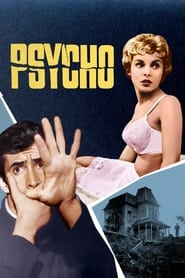
Pbest title · #20 on sitePsycho1960 · as Director85.0

Honors

12
1971Golden Globe Cecil B. DeMille Award
—Golden Globes
1971BAFTA Fellowship
1979AFI Life Achievement Award
1979Knight Commander of the Order of the British Empire
Honors
  • 1971Golden Globe Cecil B. DeMille Award
  • —Golden Globes
  • 1971BAFTA Fellowship
  • 1979AFI Life Achievement Award
  • 1979Knight Commander of the Order of the British Empire
  • 1967Irving G. Thalberg Memorial Award
  • 1960Edgar Awards
  • —Saturn Awards
  • —Silver Shell — Best Director
  • —Knight of the Legion of Honour
  • —Officer of Arts and Letters
  • —star on Hollywood Walk of Fame

Bio

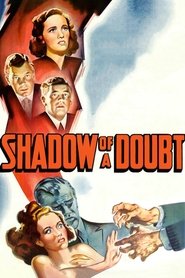
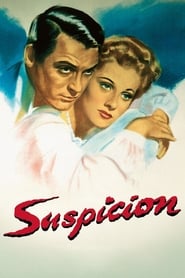
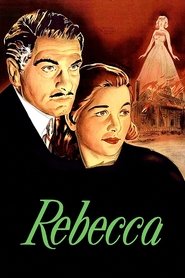
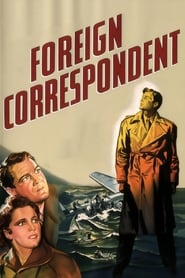
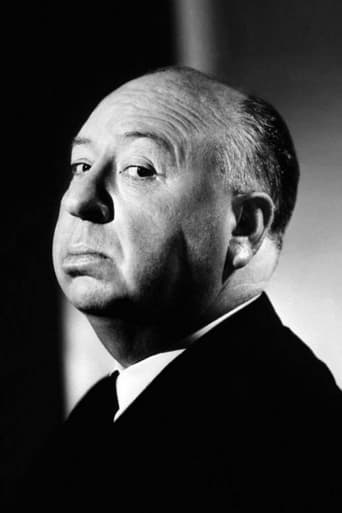
Sir Alfred Joseph Hitchcock (August 13, 1899 – April 29, 1980) was an English film director. He is widely regarded as one of the most influential figures in cinema history. In a career spanning six decades, he directed over 50 feature films, many of which are still widely watched and studied today. Known as the "Master of Suspense", Hitchcock became as well known as any of his actors thanks to his many interviews, cameo appearances in most of his films, and hosting and producing the television anthology Alfred Hitchcock Presents (1955–65). His films garnered 46 Academy Award nominations, including six wins. However, despite five nominations, he never won the  Best Director award. Hitchcock initially trained as a technical clerk and copywriter before entering the film industry in 1919 as a title card designer. The British–German silent film The Pleasure Garden (1925) was his directorial debut. His first successful film, The Lodger: A Story of the London Fog (1927), helped to shape the thriller genre, and Blackmail (1929) was the first British "talkie". His thrillers The 39 Steps (1935) and The Lady Vanishes (1938) are ranked among the greatest British films of the 20th century. By 1939, he had international recognition and producer David O. Selznick persuaded him to move to Hollywood. A string of successful films followed, including Rebecca(1940), Foreign Correspondent (1940), Suspicion (1941), Shadow of a Doubt (1943) and Notorious (1946). Rebecca won the Academy Award for Best Picture, with Hitchcock nominated as Best Director. He also received Oscar nominations for Lifeboat (1944), Spellbound (1945), Rear Window (1954) and Psycho (1960). Hitchcock's other notable films include Rope (1948), Strangers on a Train (1951), Dial M for Murder (1954), To Catch a Thief (1955), The Trouble with Harry (1955), Vertigo (1958), North by Northwest (1959), The Birds (1963), Marnie (1964) and Frenzy (1972), all of which were also financially successful and are highly regarded by film historians. Hitchcock made several films with some of the biggest stars in Hollywood, including four with Cary Grant, four with James Stewart, three with Ingrid Bergman and three consecutively with Grace Kelly. Hitchcock became an American citizen in 1955. In 2012, Hitchcock's psychological thriller Vertigo, starring Stewart, displaced Orson Welles' Citizen Kane (1941) as the British Film Institute's greatest film ever made based on its worldwide poll of hundreds of film critics. As of 2021, nine of his films had been selected for preservation in the United States National Film Registry, including his favourite, Shadow of a Doubt (1943). He received the BAFTA Fellowship in 1971, the AFI Life Achievement Award in 1979, and was knighted in December of that year, four months before his death on 29 April 1980.

Biography

Sir Alfred Joseph Hitchcock (August 13, 1899 – April 29, 1980) was an English film director. He is widely regarded as one of the most influential figures in cinema history. In a career spanning six decades, he directed over 50 feature films, many of which are still widely watched and studied today. Known as the "Master of Suspense", Hitchcock became as well known as any of his actors thanks to his many interviews, cameo appearances in most of his films, and hosting and producing the television anthology Alfred Hitchcock Presents (1955–65). His films garnered 46 Academy Award nominations, including six wins. However, despite five nominations, he never won the  Best Director award. Hitchcock initially trained as a technical clerk and copywriter before entering the film industry in 1919 as a title card designer. The British–German silent film The Pleasure Garden (1925) was his directorial debut. His first successful film, The Lodger: A Story of the London Fog (1927), helped to shape the thriller genre, and Blackmail (1929) was the first British "talkie". His thrillers The 39 Steps (1935) and The Lady Vanishes (1938) are ranked among the greatest British films of the 20th century. By 1939, he had international recognition and producer David O. Selznick persuaded him to move to Hollywood. A string of successful films followed, including Rebecca(1940), Foreign Correspondent (1940), Suspicion (1941), Shadow of a Doubt (1943) and Notorious (1946). Rebecca won the Academy Award for Best Picture, with Hitchcock nominated as Best Director. He also received Oscar nominations for Lifeboat (1944), Spellbound (1945), Rear Window (1954) and Psycho (1960). Hitchcock's other notable films include Rope (1948), Strangers on a Train (1951), Dial M for Murder (1954), To Catch a Thief (1955), The Trouble with Harry (1955), Vertigo (1958), North by Northwest (1959), The Birds (1963), Marnie (1964) and Frenzy (1972), all of which were also financially successful and are highly regarded by film historians. Hitchcock made several films with some of the biggest stars in Hollywood, including four with Cary Grant, four with James Stewart, three with Ingrid Bergman and three consecutively with Grace Kelly. Hitchcock became an American citizen in 1955. In 2012, Hitchcock's psychological thriller Vertigo, starring Stewart, displaced Orson Welles' Citizen Kane (1941) as the British Film Institute's greatest film ever made based on its worldwide poll of hundreds of film critics. As of 2021, nine of his films had been selected for preservation in the United States National Film Registry, including his favourite, Shadow of a Doubt (1943). He received the BAFTA Fellowship in 1971, the AFI Life Achievement Award in 1979, and was knighted in December of that year, four months before his death on 29 April 1980.

Filmography

ranked on this site
2010s1 titleGGerman Concentration Camps Factual Survey2014 · as Self61.7
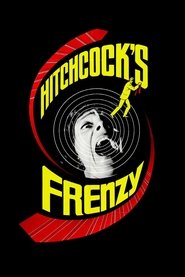
1970s1 titleFFrenzy1972 · as Director73.8
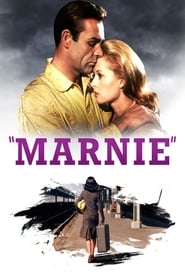
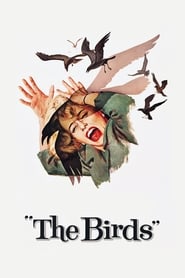
1960s4 titlesMMarnie1964 · as Director51.9BThe Birds1963 · as Director76.3AThe Alfred Hitchcock Hour1962 · as Self - Host · series58.6PPsycho1960 · as Director85.0
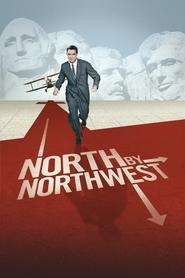
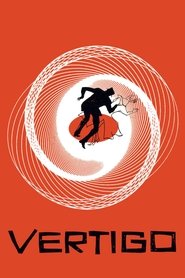
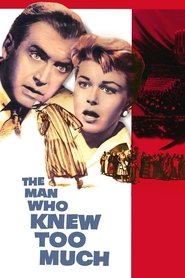
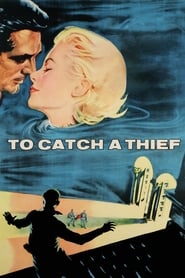
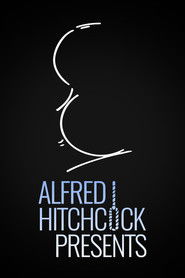
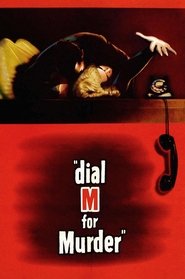
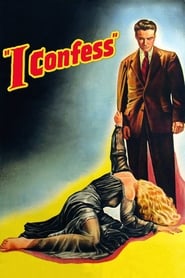
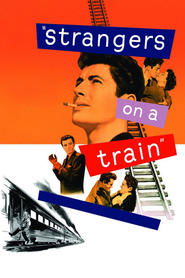
1950s13 titlesNNorth by Northwest1959 · as Director82.4VVertigo1958 · as Director82.2SSuspicion1957 · as Director · series64.0WThe Wrong Man1956 · as Director73.7MThe Man Who Knew Too Much1956 · as Director72.5TTo Catch a Thief1955 · as Director73.8AAlfred Hitchcock Presents1955 · as Self - Host · series54.5AAlfred Hitchcock Presents1955 · as Alfred the Stand-In · series54.5AAlfred Hitchcock Presents1955 · as Alfred's Brother · series54.5RRear Window1954 · as Director84.6DDial M for Murder1954 · as Director78.5II Confess1953 · as Director69.7SStrangers on a Train1951 · as Director79.0
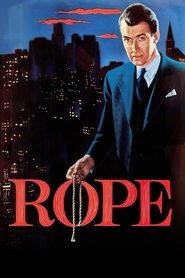
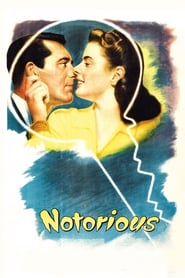
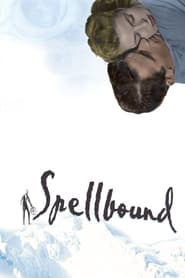
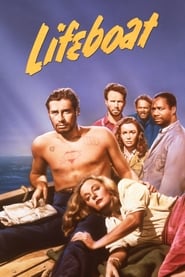
1940s9 titlesRRope1948 · as Man Walking in Street After Opening Credits77.1NNotorious1946 · as Director79.8SSpellbound1945 · as Director73.1LLifeboat1944 · as Director74.5SShadow of a Doubt1943 · as Director78.1SSaboteur1942 · as Director52.2SSuspicion1941 · as Director71.8RRebecca1940 · as Director79.8FForeign Correspondent1940 · as Director74.5
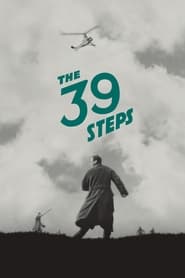
1930s2 titlesLThe Lady Vanishes1938 · as Director78.23The 39 Steps1935 · as Director76.6
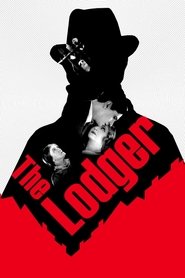
1920s1 titleLThe Lodger: A Story of the London Fog1927 · as Director73.5

Browse the ranked list

you've reached the bottom
goodrecmovies
movies worth your night.

This product uses TMDB and the TMDB APIs but is not endorsed, certified, or otherwise approved by TMDB.

← back

Alfred Hitchcock

A
born1899
died1980
known forDirecting
titles on site31
best title rank#20 · Psycho (1960)
avg GRM71.6
honors12 · Golden Globe Cecil B. DeMille Award, 1971
Honors
  • 1971Golden Globe Cecil B. DeMille Award
  • —Golden Globes
  • 1971BAFTA Fellowship
  • 1979AFI Life Achievement Award
  • 1979Knight Commander of the Order of the British Empire
  • 1967Irving G. Thalberg Memorial Award
  • 1960Edgar Awards
  • —Saturn Awards
  • —Silver Shell — Best Director
  • —Knight of the Legion of Honour
  • —Officer of Arts and Letters
  • —star on Hollywood Walk of Fame
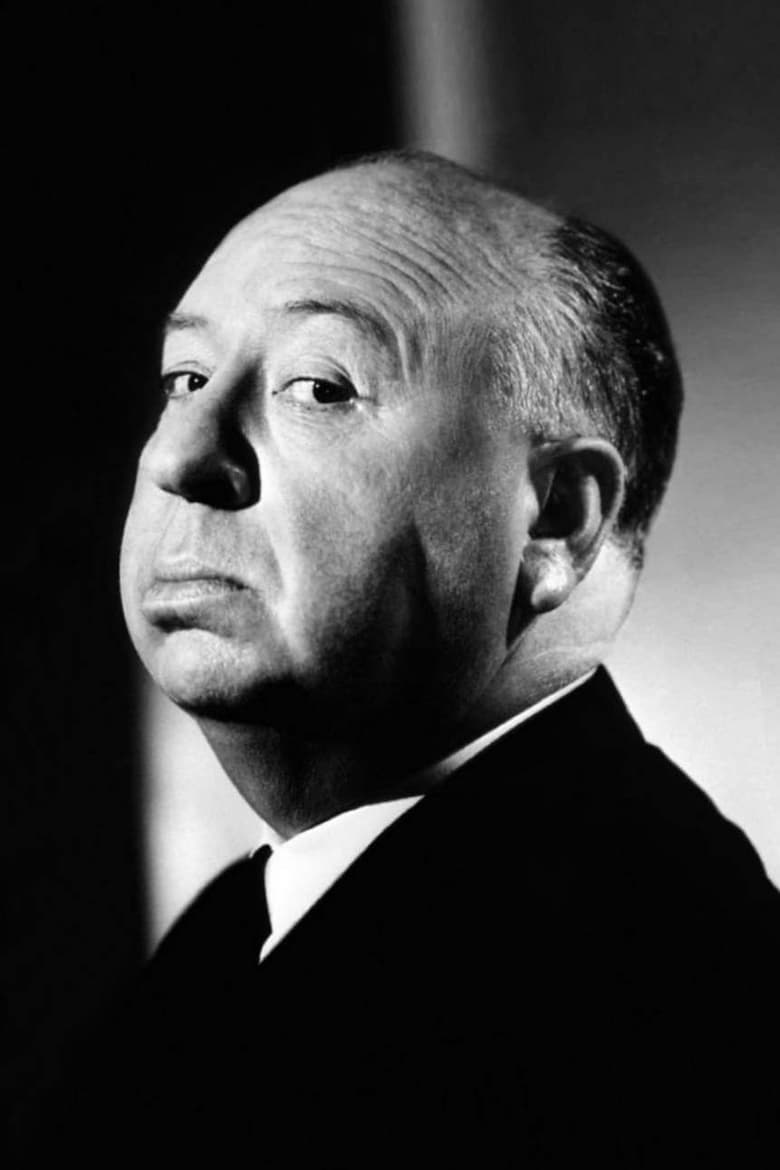
Sir Alfred Joseph Hitchcock (August 13, 1899 – April 29, 1980) was an English film director. He is widely regarded as one of the most influential figures in cinema history. In a career spanning six decades, he directed over 50 feature films, many of which are still widely watched and studied today. Known as the "Master of Suspense", Hitchcock became as well known as any of his actors thanks to his many interviews, cameo appearances in most of his films, and hosting and producing the television anthology Alfred Hitchcock Presents (1955–65). His films garnered 46 Academy Award nominations, including six wins. However, despite five nominations, he never won the  Best Director award. Hitchcock initially trained as a technical clerk and copywriter before entering the film industry in 1919 as a title card designer. The British–German silent film The Pleasure Garden (1925) was his directorial debut. His first successful film, The Lodger: A Story of the London Fog (1927), helped to shape the thriller genre, and Blackmail (1929) was the first British "talkie". His thrillers The 39 Steps (1935) and The Lady Vanishes (1938) are ranked among the greatest British films of the 20th century. By 1939, he had international recognition and producer David O. Selznick persuaded him to move to Hollywood. A string of successful films followed, including Rebecca(1940), Foreign Correspondent (1940), Suspicion (1941), Shadow of a Doubt (1943) and Notorious (1946). Rebecca won the Academy Award for Best Picture, with Hitchcock nominated as Best Director. He also received Oscar nominations for Lifeboat (1944), Spellbound (1945), Rear Window (1954) and Psycho (1960). Hitchcock's other notable films include Rope (1948), Strangers on a Train (1951), Dial M for Murder (1954), To Catch a Thief (1955), The Trouble with Harry (1955), Vertigo (1958), North by Northwest (1959), The Birds (1963), Marnie (1964) and Frenzy (1972), all of which were also financially successful and are highly regarded by film historians. Hitchcock made several films with some of the biggest stars in Hollywood, including four with Cary Grant, four with James Stewart, three with Ingrid Bergman and three consecutively with Grace Kelly. Hitchcock became an American citizen in 1955. In 2012, Hitchcock's psychological thriller Vertigo, starring Stewart, displaced Orson Welles' Citizen Kane (1941) as the British Film Institute's greatest film ever made based on its worldwide poll of hundreds of film critics. As of 2021, nine of his films had been selected for preservation in the United States National Film Registry, including his favourite, Shadow of a Doubt (1943). He received the BAFTA Fellowship in 1971, the AFI Life Achievement Award in 1979, and was knighted in December of that year, four months before his death on 29 April 1980.

Filmography

ranked on this site

Browse the ranked list