Acting

Audrey Hepburn

1929–1993 · Acting

69.6avg grm
12titles
#311best rank
18honors
Rbest title · #311 on siteRoman Holiday1953 · as Princess Ann78.9

Honors

18
1954Academy Award — Best Actress
1993Emmy — Outstanding Hosted Nonfiction Series or Special
1989Golden Globe Cecil B. DeMille Award
1954Golden Globes
1953Golden Globe Award — Best Actress – Motion Picture Drama
Honors
  • 1954Academy Award — Best Actress
  • 1993Emmy — Outstanding Hosted Nonfiction Series or Special
  • 1989Golden Globe Cecil B. DeMille Award
  • 1954Golden Globes
  • 1953Golden Globe Award — Best Actress – Motion Picture Drama
  • 1996Crystal Award
  • 1993Jean Hersholt Humanitarian Award
  • 1993Grammy Award — Best Spoken Word Album for Children
  • 1992Presidential Medal of Freedom
  • 1992SAG-AFTRA Life Achievement Award
  • 1987Commandeur des Arts et des Lettres
  • 1980star on Hollywood Walk of Fame
  • 1968Special Tony Award
  • 1960David di Donatello — Best Foreign Actress
  • 1959New York Film Critics Circle Award — Best Actress
  • 1954Tony Award — Best Actress in a Play
  • 1952Theatre World Award
  • —Donaldson Awards

Bio

Audrey Hepburn (born Audrey Kathleen Ruston; 4 May 1929 – 20 January 1993) was a British actress and humanitarian. Recognised as both a film and fashion icon, she was ranked by the American Film Institute as the third-greatest female screen legend from the Classical Hollywood cinema and was inducted into the International Best Dressed List Hall of Fame. Born in Ixelles, Brussels, to an aristocratic family, Hepburn spent parts of her childhood in Belgium, England, and the Netherlands. She studied ballet with Sonia Gaskell in Amsterdam beginning in 1945, and with Marie Rambert in London from 1948. She began performing as a chorus girl in West End musical theatre productions and then had minor appearances in several films. She rose to stardom in the romantic comedy Roman Holiday (1953) alongside Gregory Peck, for which she was the first actress to win an Oscar, a Golden Globe Award, and a BAFTA Award for a single performance. That year, she also won a Tony Award for Best Lead Actress in a Play for her performance in Ondine. She went on to star in a number of successful films such as Sabrina (1954), in which Humphrey Bogart and William Holden compete for her affection; Funny Face (1957), a musical where she sang her own parts; the drama The Nun's Story (1959); the romantic comedy Breakfast at Tiffany's (1961); the thriller-romance Charade (1963), opposite Cary Grant; and the musical My Fair Lady (1964). In 1967 she starred in the thriller Wait Until Dark, receiving Academy Award, Golden Globe, and BAFTA nominations. After that, she only occasionally appeared in films, one being Robin and Marian (1976) with Sean Connery. Her last recorded performances were in the 1990 documentary television series Gardens of the World with Audrey Hepburn for which she won a Primetime Emmy Award for Outstanding Individual Achievement – Informational Programming. Hepburn won three BAFTA Awards for Best British Actress in a Leading Role. In recognition of her film career, she received BAFTA's Lifetime Achievement Award, the Golden Globe Cecil B. DeMille Award, the Screen Actors Guild Life Achievement Award, and the Special Tony Award. She remains one of only seventeen people who have won Academy, Emmy, Grammy, and Tony Awards. Later in life, Hepburn devoted much of her time to UNICEF, to which she had contributed since 1954. Between 1988 and 1992, she worked in some of the poorest communities of Africa, South America, and Asia. In December 1992, she received the US Presidential Medal of Freedom in recognition of her work as a UNICEF Goodwill Ambassador. A month later, she died of appendiceal cancer at her home in Tolochenaz, Vaud, Switzerland, at the age of 63.

Biography

Audrey Hepburn (born Audrey Kathleen Ruston; 4 May 1929 – 20 January 1993) was a British actress and humanitarian. Recognised as both a film and fashion icon, she was ranked by the American Film Institute as the third-greatest female screen legend from the Classical Hollywood cinema and was inducted into the International Best Dressed List Hall of Fame. Born in Ixelles, Brussels, to an aristocratic family, Hepburn spent parts of her childhood in Belgium, England, and the Netherlands. She studied ballet with Sonia Gaskell in Amsterdam beginning in 1945, and with Marie Rambert in London from 1948. She began performing as a chorus girl in West End musical theatre productions and then had minor appearances in several films. She rose to stardom in the romantic comedy Roman Holiday (1953) alongside Gregory Peck, for which she was the first actress to win an Oscar, a Golden Globe Award, and a BAFTA Award for a single performance. That year, she also won a Tony Award for Best Lead Actress in a Play for her performance in Ondine. She went on to star in a number of successful films such as Sabrina (1954), in which Humphrey Bogart and William Holden compete for her affection; Funny Face (1957), a musical where she sang her own parts; the drama The Nun's Story (1959); the romantic comedy Breakfast at Tiffany's (1961); the thriller-romance Charade (1963), opposite Cary Grant; and the musical My Fair Lady (1964). In 1967 she starred in the thriller Wait Until Dark, receiving Academy Award, Golden Globe, and BAFTA nominations. After that, she only occasionally appeared in films, one being Robin and Marian (1976) with Sean Connery. Her last recorded performances were in the 1990 documentary television series Gardens of the World with Audrey Hepburn for which she won a Primetime Emmy Award for Outstanding Individual Achievement – Informational Programming. Hepburn won three BAFTA Awards for Best British Actress in a Leading Role. In recognition of her film career, she received BAFTA's Lifetime Achievement Award, the Golden Globe Cecil B. DeMille Award, the Screen Actors Guild Life Achievement Award, and the Special Tony Award. She remains one of only seventeen people who have won Academy, Emmy, Grammy, and Tony Awards. Later in life, Hepburn devoted much of her time to UNICEF, to which she had contributed since 1954. Between 1988 and 1992, she worked in some of the poorest communities of Africa, South America, and Asia. In December 1992, she received the US Presidential Medal of Freedom in recognition of her work as a UNICEF Goodwill Ambassador. A month later, she died of appendiceal cancer at her home in Tolochenaz, Vaud, Switzerland, at the age of 63.

Filmography

ranked on this site
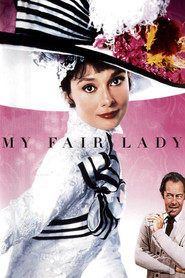
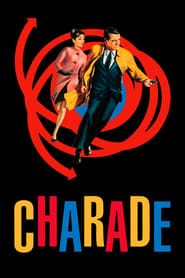
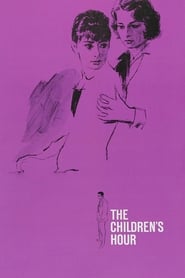
1960s7 titlesWWait Until Dark1967 · as Susy Hendrix76.4TTwo for the Road1967 · as Joanna Wallace71.1HHow to Steal a Million1966 · as Nicole Bonnet71.7MMy Fair Lady1964 · as Eliza Doolittle77.3CCharade1963 · as Regina Lampert77.3BBreakfast at Tiffany's1961 · as Holly Golightly73.2CThe Children's Hour1961 · as Karen Wright72.0
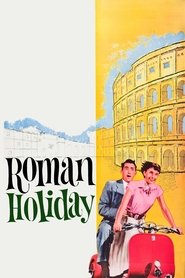
1950s5 titlesNThe Nun's Story1959 · as Sister Luke (Gabrielle van der Mal)57.9LLove in the Afternoon1957 · as Ariane Chavasse52.5LLove in the Afternoon1957 · as Thin Girl52.5SSabrina1954 · as Sabrina Fairchild73.8RRoman Holiday1953 · as Princess Ann78.9

Browse the ranked list

you've reached the bottom
goodrecmovies
movies worth your night.

This product uses TMDB and the TMDB APIs but is not endorsed, certified, or otherwise approved by TMDB.

← back

Audrey Hepburn

A
born1929
died1993
known forActing
titles on site12
best title rank#311 · Roman Holiday (1953)
avg GRM69.6
honors18 · Academy Award — Best Actress, 1954
Honors
  • 1954Academy Award — Best Actress
  • 1993Emmy — Outstanding Hosted Nonfiction Series or Special
  • 1989Golden Globe Cecil B. DeMille Award
  • 1954Golden Globes
  • 1953Golden Globe Award — Best Actress – Motion Picture Drama
  • 1996Crystal Award
  • 1993Jean Hersholt Humanitarian Award
  • 1993Grammy Award — Best Spoken Word Album for Children
  • 1992Presidential Medal of Freedom
  • 1992SAG-AFTRA Life Achievement Award
  • 1987Commandeur des Arts et des Lettres
  • 1980star on Hollywood Walk of Fame
  • 1968Special Tony Award
  • 1960David di Donatello — Best Foreign Actress
  • 1959New York Film Critics Circle Award — Best Actress
  • 1954Tony Award — Best Actress in a Play
  • 1952Theatre World Award
  • —Donaldson Awards
Audrey Hepburn (born Audrey Kathleen Ruston; 4 May 1929 – 20 January 1993) was a British actress and humanitarian. Recognised as both a film and fashion icon, she was ranked by the American Film Institute as the third-greatest female screen legend from the Classical Hollywood cinema and was inducted into the International Best Dressed List Hall of Fame. Born in Ixelles, Brussels, to an aristocratic family, Hepburn spent parts of her childhood in Belgium, England, and the Netherlands. She studied ballet with Sonia Gaskell in Amsterdam beginning in 1945, and with Marie Rambert in London from 1948. She began performing as a chorus girl in West End musical theatre productions and then had minor appearances in several films. She rose to stardom in the romantic comedy Roman Holiday (1953) alongside Gregory Peck, for which she was the first actress to win an Oscar, a Golden Globe Award, and a BAFTA Award for a single performance. That year, she also won a Tony Award for Best Lead Actress in a Play for her performance in Ondine. She went on to star in a number of successful films such as Sabrina (1954), in which Humphrey Bogart and William Holden compete for her affection; Funny Face (1957), a musical where she sang her own parts; the drama The Nun's Story (1959); the romantic comedy Breakfast at Tiffany's (1961); the thriller-romance Charade (1963), opposite Cary Grant; and the musical My Fair Lady (1964). In 1967 she starred in the thriller Wait Until Dark, receiving Academy Award, Golden Globe, and BAFTA nominations. After that, she only occasionally appeared in films, one being Robin and Marian (1976) with Sean Connery. Her last recorded performances were in the 1990 documentary television series Gardens of the World with Audrey Hepburn for which she won a Primetime Emmy Award for Outstanding Individual Achievement – Informational Programming. Hepburn won three BAFTA Awards for Best British Actress in a Leading Role. In recognition of her film career, she received BAFTA's Lifetime Achievement Award, the Golden Globe Cecil B. DeMille Award, the Screen Actors Guild Life Achievement Award, and the Special Tony Award. She remains one of only seventeen people who have won Academy, Emmy, Grammy, and Tony Awards. Later in life, Hepburn devoted much of her time to UNICEF, to which she had contributed since 1954. Between 1988 and 1992, she worked in some of the poorest communities of Africa, South America, and Asia. In December 1992, she received the US Presidential Medal of Freedom in recognition of her work as a UNICEF Goodwill Ambassador. A month later, she died of appendiceal cancer at her home in Tolochenaz, Vaud, Switzerland, at the age of 63.

Filmography

ranked on this site

Browse the ranked list